
What I Wish I Knew Before Backpacking Thailand, Cambodia, and Laos
This post may contain affiliate links. If you make a purchase using one of these links, I may receive a small reward at no extra cost to you. See my Disclosure Policy for more information.
I still remember planning my first backpacking loop through Thailand, Cambodia, and Laos. I set out with a rough idea, a well-used backpack, and more optimism than practical knowledge.
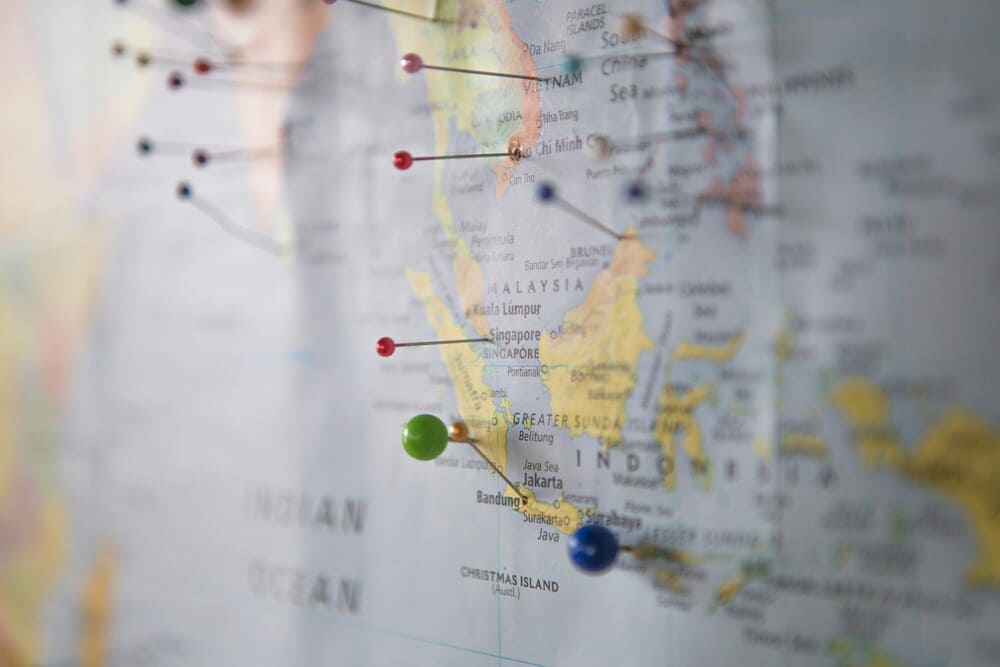
Every day brought a mix of surprises, from night markets and long bus rides to hostel conversations that stretched late into the evening. Little moments revealed how each country moves at its own pace and rhythm.
That trip highlighted how much easier things feel when you understand the small details. With hindsight, it’s clear that a few simple insights can smooth out so many of the bumps.
Here’s the guide I wish someone had handed me at the start. It should help you skip a few mistakes and travel with a clearer head.
Cash Still Shapes Daily Life
Digital payment options are growing, but cash remains the primary means of payment across much of the region. Many street vendors, market stalls, local ferries, and family-run guesthouses prefer it.
In Laos and Cambodia, card machines often fail or aren’t available at all. Thailand is more flexible, yet cash still helps when you need a tuk-tuk, a quick snack, or a last-minute ride.
You’ll save yourself stress by carrying enough cash for a couple of days. Keep small notes for border fees, snacks, and short rides.
ATMs work in major cities but are unreliable near rural crossings. Split your cash into different pockets so you never lose everything at once.
Prepare for Health Requirements Before You Cross Borders
Health rules vary across Southeast Asia, so take a moment to sort out the essentials before moving between countries. Cambodia and Thailand require a yellow fever vaccination certificate only if you’re arriving from an affected region.
However, it’s still smart to double-check requirements before you fly. Malaria isn’t a major concern in the main tourist hubs of either country. Prevention becomes important once you head into remote villages or forested trekking routes.
Laos recommends malaria precautions in many rural areas, too, especially if your plans involve long bus rides or multi-day hikes. A quick stop at a travel clinic, plus repellent and the right medication, keeps your trip smooth and helps you avoid health issues.
Rideshare Safety Needs Your Attention
Rideshare apps are popular, but the safety part isn’t always consistent. A recent incident in Laos showed the risks clearly. A 15-year-old girl in Vientiane accused an inDrive driver of sexual assault, and another passenger reported a similar case weeks earlier.
Regulators said the company lacked proper certification, reliable support channels, and clear accountability. They began considering a ban until these issues could be fixed. Similar situations have pushed legal action in other regions, too.
In the United States, the Uber lawsuit was driven by survivors who argued that safety checks and reporting systems needed to be stronger. The underlying message stays the same across borders. When gaps appear in passenger safety, people demand change.
When you use rideshare apps in Thailand, Cambodia, or Laos, take a few simple steps. Share your location, check the license plate, sit in the back, and trust your instincts. Convenience never replaces awareness.
Plan Your Days Around the Heat, Not the Clock
The weather in this part of the world can get scorching, especially in the dry season. Countries across Southeast Asia have experienced record-breaking heat waves in recent years. Temperatures have soared well above 40°C in many urban and rural areas.
That kind of heat isn’t just uncomfortable; it impacts daily life. Schools have shut down, public health warnings went out, and people are changing routines to avoid the hottest hours of the day.
You’ll need to plan around the heat:
- Start early in the day and rest in shaded or air-conditioned spots by midday.
- Carry water constantly and drink often.
- Wear a hat, light clothing, and sunscreen.
- Expect heat to drain your energy faster than you’re used to.
Slow Days Are Part of the Trip
Backpacking pushes you to keep moving. Another bus. Another border. Another hostel.
Yet the quiet, unplanned moments often shape the journey more than the big attractions. Watching monks walk through Luang Prabang at sunrise. Drinking iced coffee on a Phnom Penh sidewalk while the city wakes up. Sitting on a Chiang Mai rooftop with travelers you met only hours earlier.
Permit yourself to slow down. Stay an extra night if a place feels good. Wander without an agenda. Let the day unfold on its own.
These slower stretches help you understand the rhythm of each country in a deeper way, and they often become the moments you remember most.
FAQs
Is Southeast Asia worth visiting?
Yes, Southeast Asia is worth visiting for its diverse cultures, beautiful landscapes, and budget-friendly travel. You get vibrant cities, quiet villages, great food, and warm hospitality. It’s an excellent region for both first-time travelers and experienced backpackers seeking variety and adventure.
What is the best month to go to Southeast Asia?
The best months to visit Southeast Asia are usually November to February. Temperatures are cooler, and humidity stays lower during this period. You get comfortable conditions for sightseeing, island trips, and outdoor activities in most parts of the region to enjoy fully.
What is the cheapest country to visit in Southeast Asia?
Vietnam is often considered the cheapest country to visit in Southeast Asia, though the others aren’t far behind either.
Food, transport, and accommodation are very affordable in all SEA countries, and you can explore major cities, beaches, and scenic regions without spending much. The region is a strong choice for budget-focused travelers worldwide.
Overall, backpacking through Thailand, Cambodia, and Laos teaches lessons you won’t find in guidebooks. The region is welcoming and lively, but it asks for awareness and a bit of planning. Cash helps. Borders need preparation. Safety matters. Heat shapes your days. Scam risks require caution. Slow moments reveal the heart of each place.
Carry these insights with you. They make the journey smoother and help you enjoy every part of the trip.