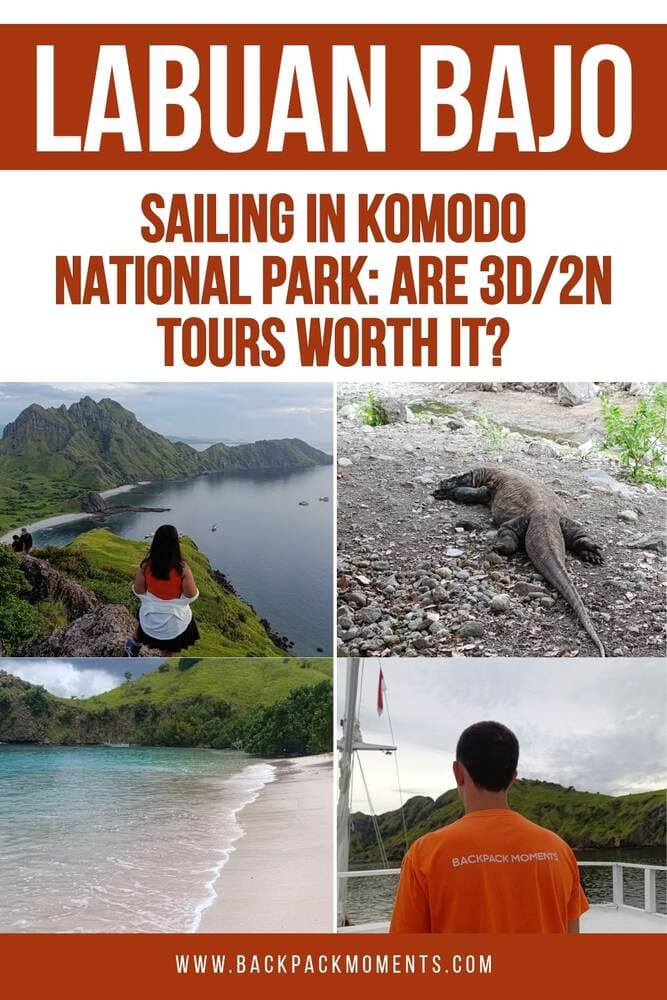
Sailing In Komodo National Park: Are 3D/2N Tours Worth It?
This post may contain affiliate links. If you make a purchase using one of these links, I may receive a small reward at no extra cost to you. See my Disclosure Policy for more information.
Sailing on a traditional boat, seeing the famous endemic Komodo dragons, snorkeling meters away from manta rays, sunbathing in view of baby sharks (doo, doo, doo, doo), hiking a unique island peak for sunrise, taking cool pics on a truly pink beach, watching thousands of flying fox bats glide out after sunset…
If that sounds fun, stick around. All of these are experiences you can partake in while sailing in Komodo National Park in Indonesia.
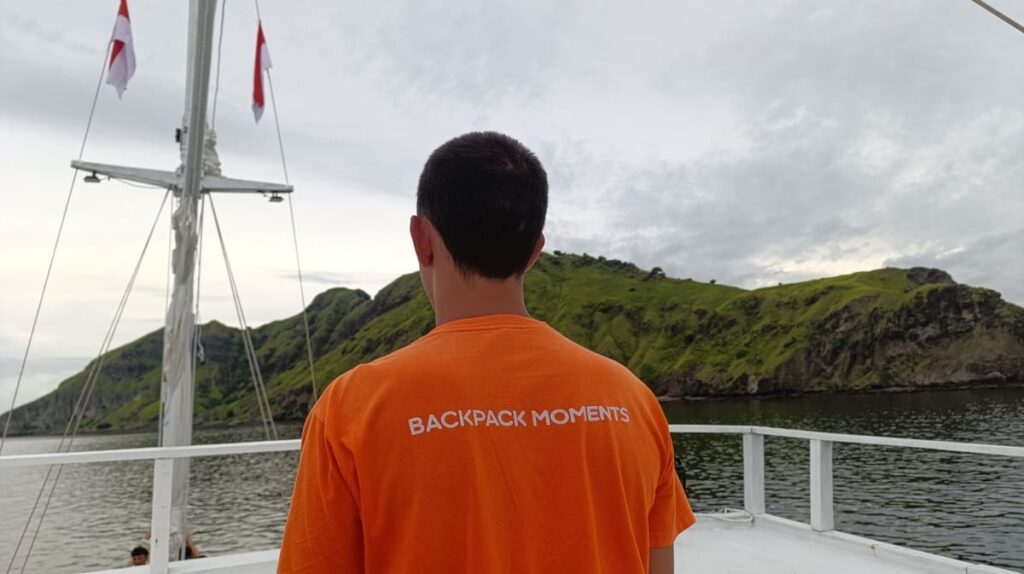
I visited this unique UNESCO site, spent 3 days and 2 nights on a phinisi boat, and I am ready to share tips, tricks, know-how, and my two cents on whether sailing in the Komodo National Park is worth the price tag.
Tl; Dr: Best tours at a glance
Ain’t got time to read it all? Chill, I did the research for you. These are the best options.
- Best Overall 3D/2N Komodo Sailing: Superbly rated, customizable, and reliable.
- Best Shared Cabin 3D/2N Komodo Sailing: Good for solo backpackers and those on a budget.
- Best Private 3D/2N Komodo Sailing: Expensive but luxurious. You’ll feel like royalty.
Scroll down to here for tours of different lengths.
Types of sailing trips and price range for 3D/2N
There are two main types of sailing trips:
- “Open trip” or a “shared trip”: a non-private trip where you will share the boat (though not the cabin, unless you want to) with other travelers you don’t know.
- Private trip: Usually use a yacht instead of a phinisi so you can have the entire vessel all for you.
While private trips include the same places in the national park, they carry a much heavier price tag. Private 3D/2N tours cost in the order of 600-1000 EUR per person.
But shared trips are budget-friendly without a lot of compromise. Prices for 3D/2N open trips vary, typically between 200 and 300 EUR per person for a private cabin (2 pax). When my wife and I went on a 3D/2N Komodo trip in February 2025, we paid around 210 EUR per person.
What is included in a 3D/2N Komodo sailing trip
Included in this price are:
- All activities:
- Snorkeling near Kanawa Island for the outstanding corals and sealife. Seeing manta rays is most likely between December and March.
- Sunbathing at the Taka Makassar sand bank.
- Hiking Padar Island.
- Photohunting the Komodo dragons (+ info tour).
- “Picking” the Strawberry rocks
- Watching flying foxes at sunset near Kalong Island.
- Hiking Kelor Island + spotting baby sharks at the beach.
- Snorkeling near Manjarite Island.
- Jumping off the boat and maybe jetski.
- All meals: 2 breakfasts, 3 lunches, 2 dinners
- Accommodation: 2 nights in an air-conditioned room with a private bathroom
- Photographer and access to the digital pictures
- Snorkeling gear
- Wi-Fi: most but not all boats offer it. Service is spotty.
What’s not included
- Komodo National Park entrance fees (collected just before the trip, though). These amount to 650.000 IDR (~32 EUR) for foreigners or 350.000 IDR (~18 EUR) for Indonesians for the 3D/2N trip.
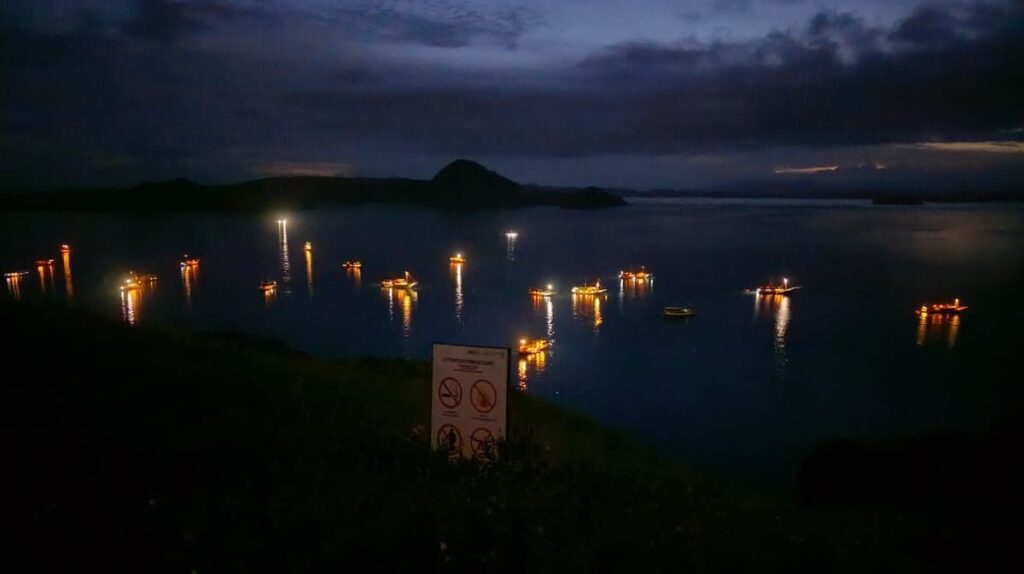
- Drone permit: Only if you want to fly a drone within the national park. Otherwise, it’s forbidden. Costs 2.100.000 IDR (around 106 EUR) per day and must be bought 3 days in advance from the office in Labuan Bajo.
- Tips for the crew: Not mandatory, but peer pressure is real.
- Drinks and snacks on the islands: You may want a fresh coconut or some extra snacks while on land.
- Transport to Labuan Bajo: This means flights or overland transport within Flores.
- Accommodation before/after the trip: Self-explanatory.
Is sailing in Komodo National Park a bucket list experience?
Yes, yes, yes, absolutely, totally YES!
I don’t say this lightly. I am known to be very honest when reviewing places, especially if they are tourism hotspots. Many of the world’s most famous sites are actually complete garbage.
The combination of pristine nature, head-spinning biodiversity that you can see from up close and personal, and the unique experience of living and sleeping on a traditional boat make sailing in the Komodo NP a one-of-a-kind experience that cannot be replicated in another country.
It’s 100% a bucket-list experience, and you will not regret spending money on such an unforgettable memory.
Day-by-day itinerary
While the exact itinerary depends on the weather, all tour operators follow the same plan unless something goes awry at sea.
What follows is how our trip went. It was without hiccups, so it is a good guideline for what to expect on the 3D/2N tour in the Komodo NP.
Day 1 – Snorkeling and a photoshoot on a sandbar
Day 1 starts around 10 AM with a check-in on the boat, a brief introduction by the staff, and a welcome drink (not alcoholic, this is Indonesia after all).
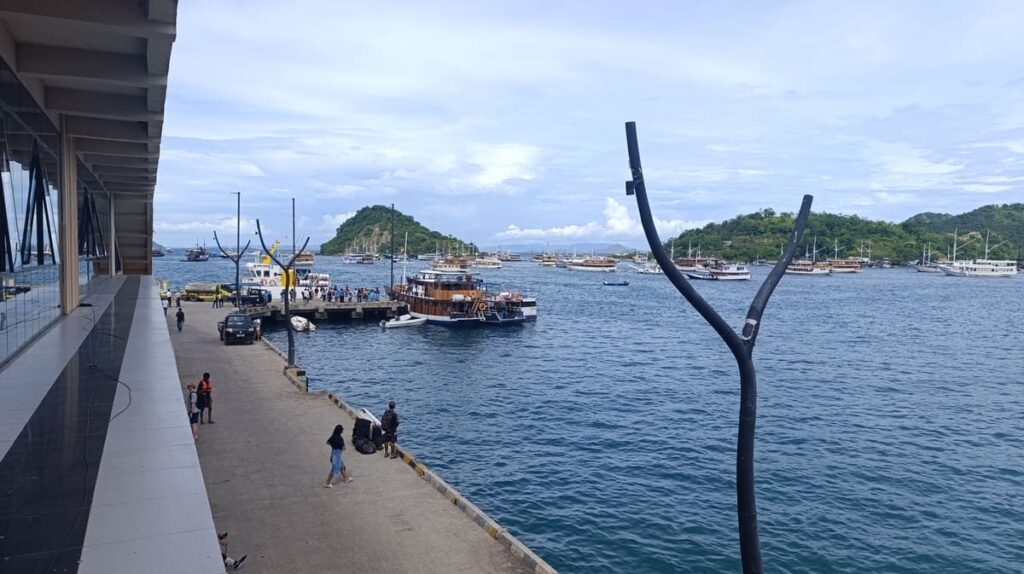
The top highlight of the day is a little later when the boat reaches Kanawa Island. Its seas are full of wildlife and are the perfect snorkeling area.
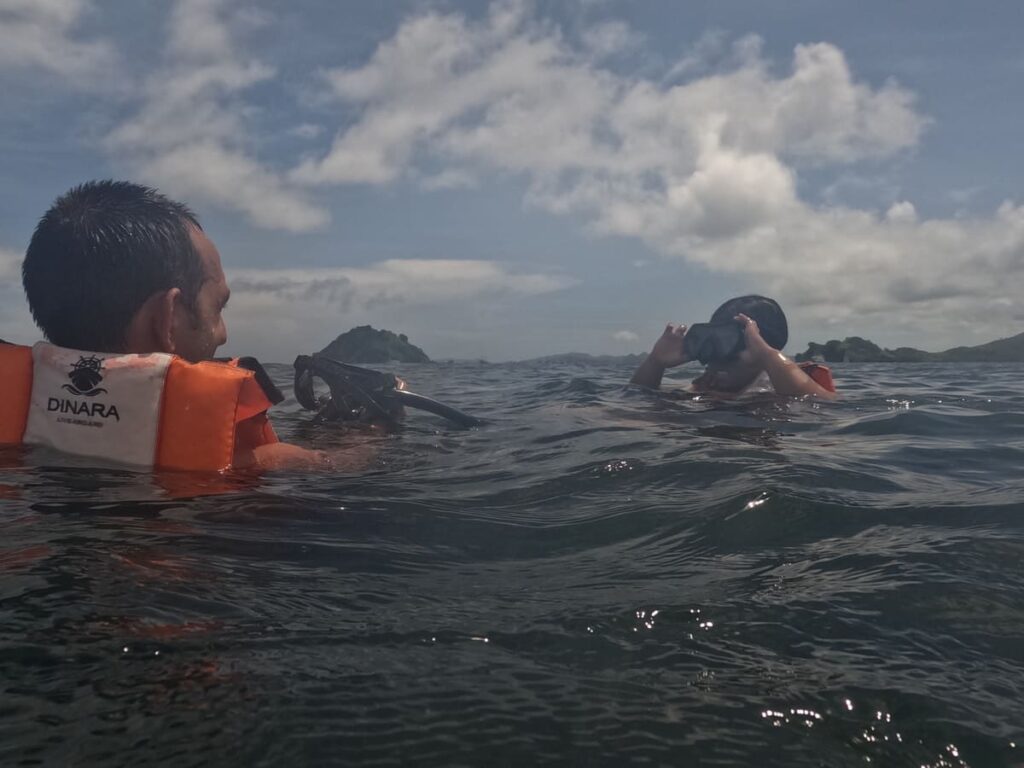
If you’re lucky, you may see a manta ray, or two, or three. They are most active between December and March, which is coincidentally the rainy season, so fewer tours run (but never zero).
Besides the main characters, there is a ton of colorful fish, corals, starfish, and a whole lot of other sea life I don’t know the names of.
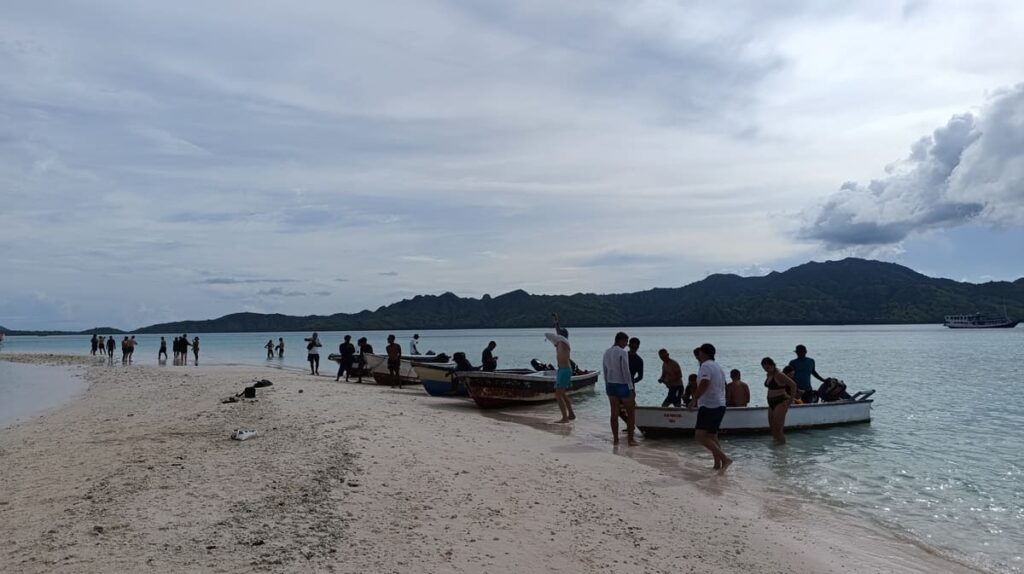
After a short break, back on the boat, you can get off at Taka Makassar – a tiny sandbank with pinkish sand. There’s literally nothing to do there besides taking pictures, so it’s one of those activities that girls enjoy a lot more than guys.
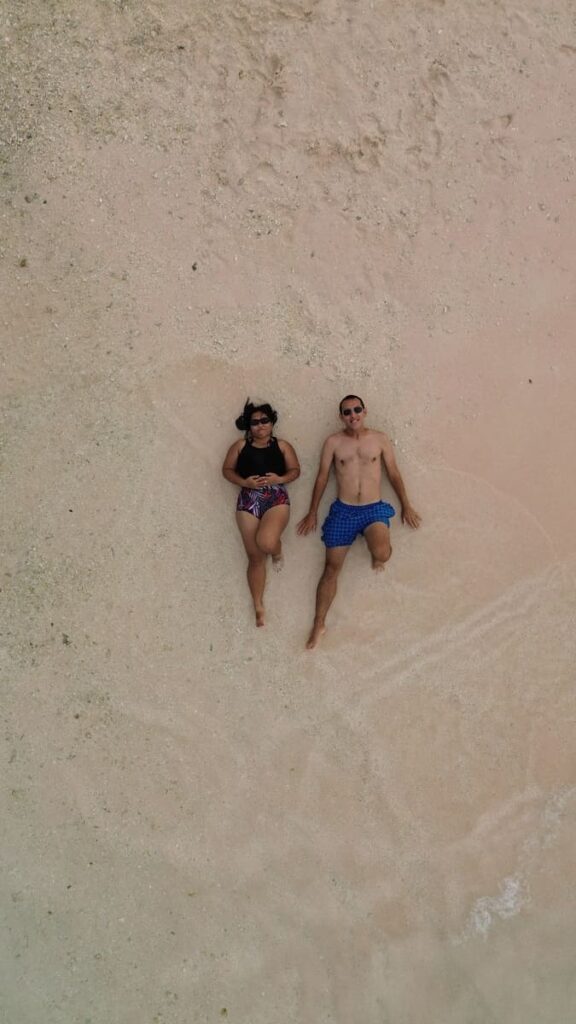
I have to admit, though, since the crew has drones, the pictures are lit!
Day 2 – Hiking for sunrise, Komodo dragons, and sunset with flying foxes
Day 2 is the most heavily packed with activities.
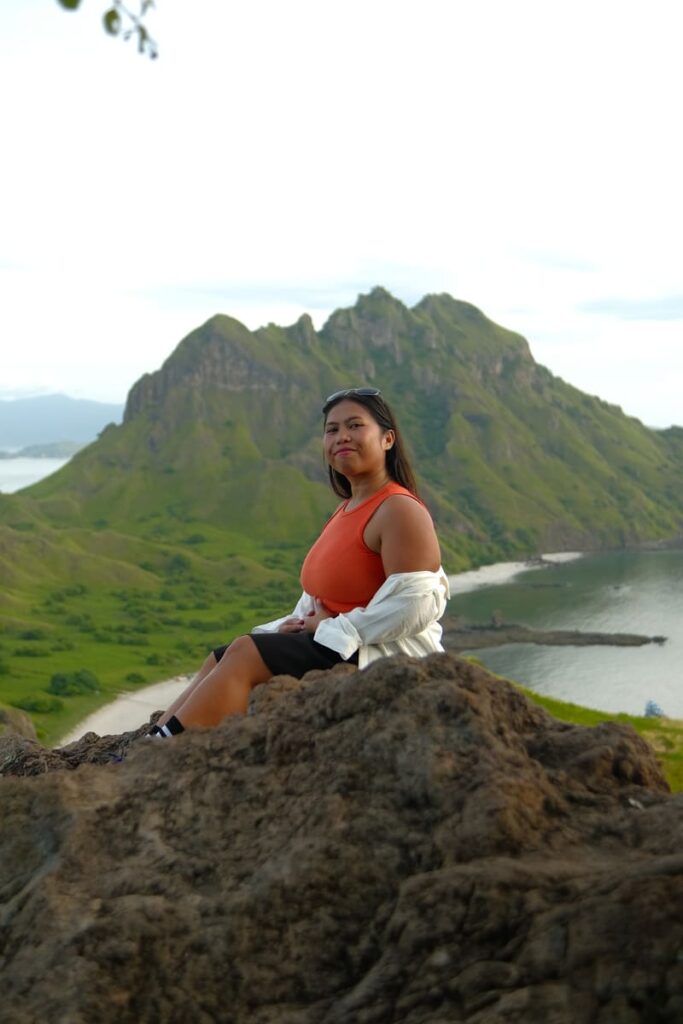
It starts strong with a hike to the most recognizable place in the national park – Padar Island. It has a striking geography of steep volcanic hills connected by narrow pieces of land, which are themselves divided by deep bays.
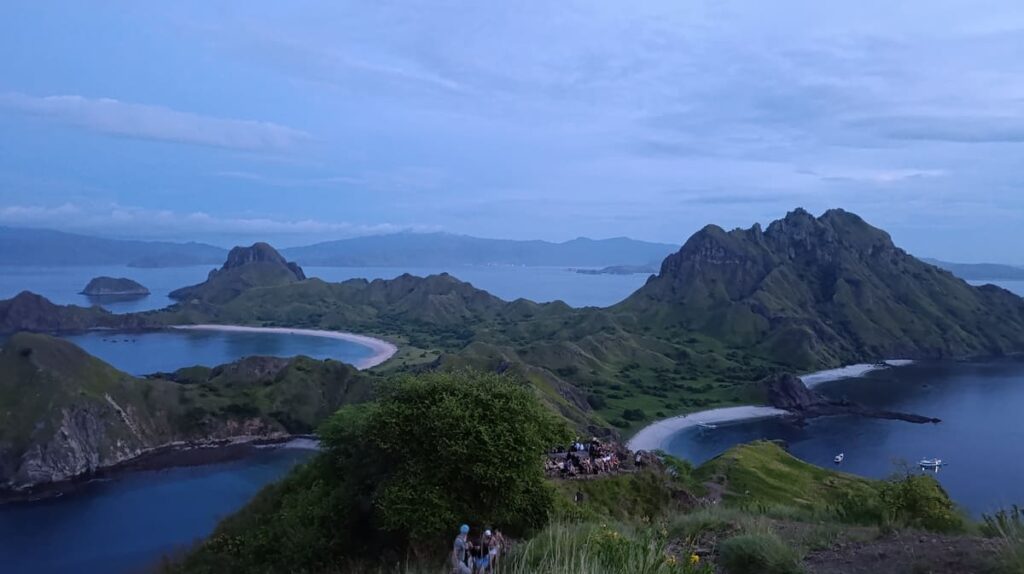
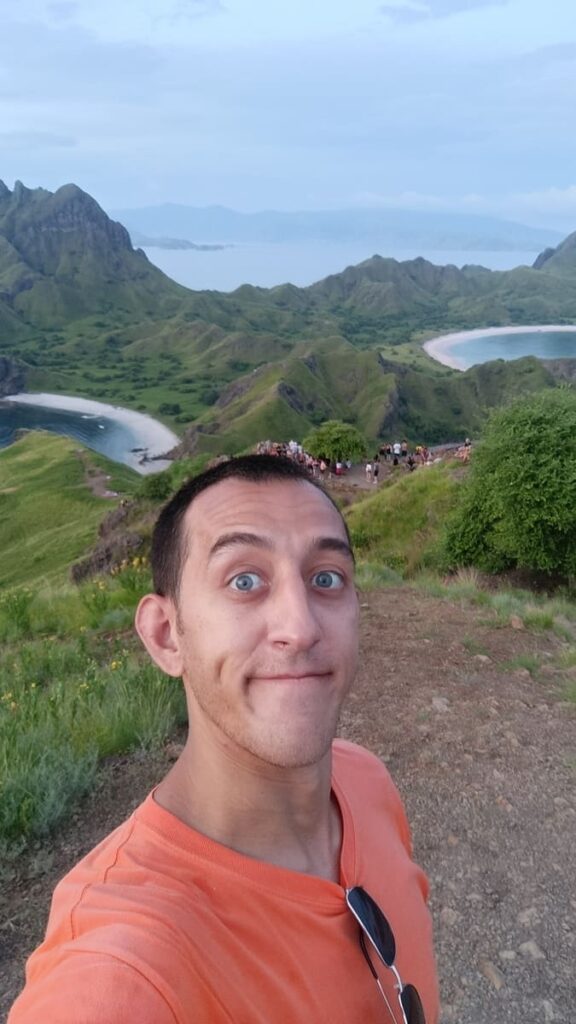
It’s a light workout – the fastest will be at the top in about 20 minutes. The rangers there weren’t the friendliest, but can you blame them – they have to deal with obnoxious idiots all day long…
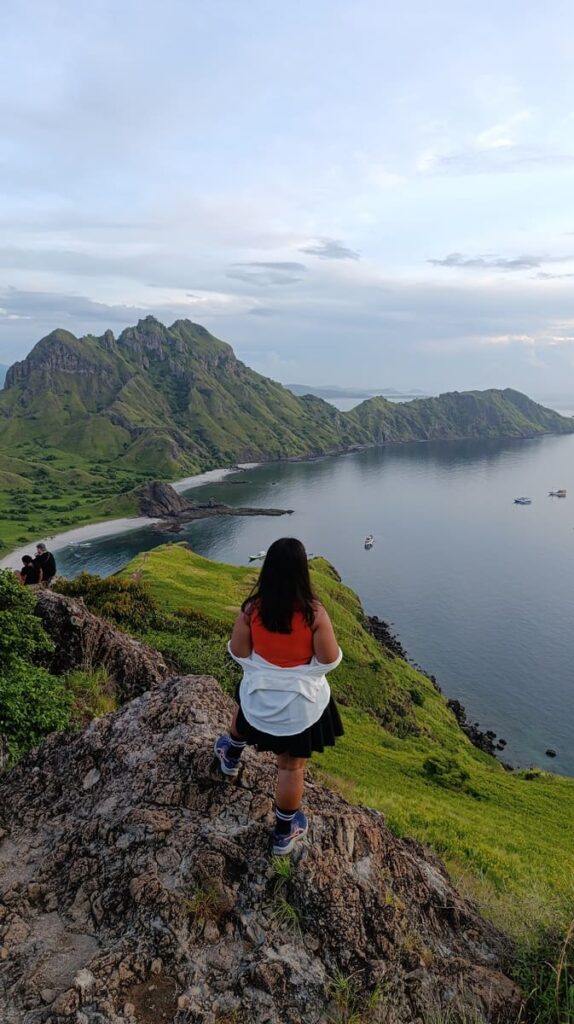
Anyhow, there are only a handful of good photo spots, so queues are unavoidable. Mind you, we were there in the low season. I eschewed picture-taking and opted to admire the natural beauty on one of the “unpopular” rocks.
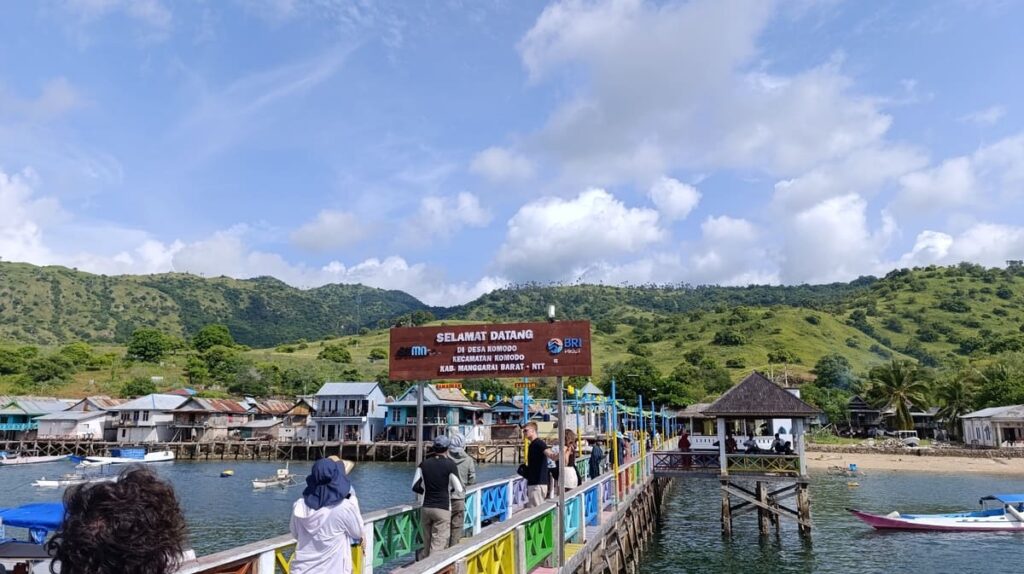
Less than 2 hours later, around 10 AM, we reached Komodo Island – the eponymous place giving its name to the national park. Every group is paired with a ranger who takes them around the “backyard” of the village.
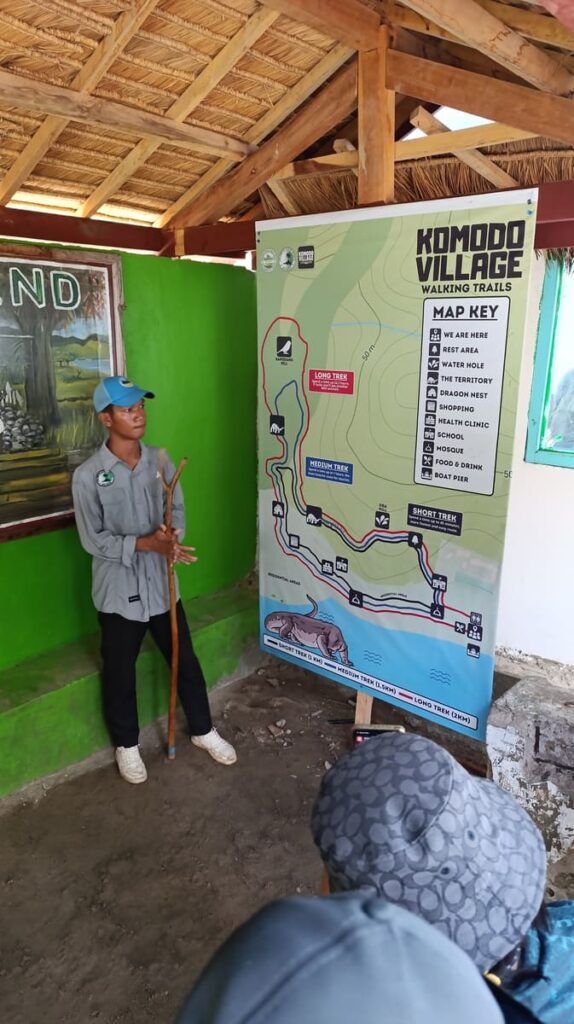
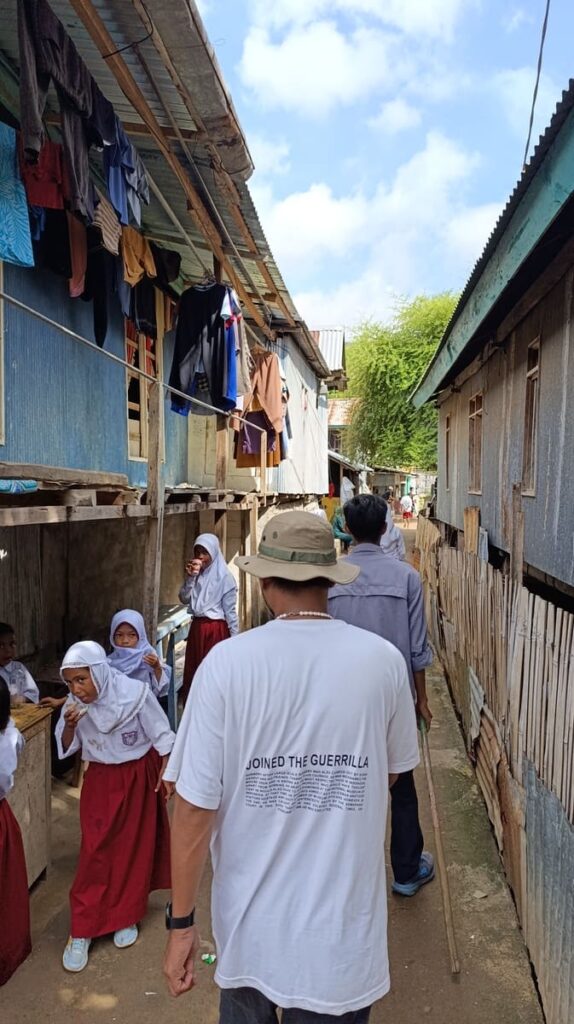
Yes, there are Komodo dragons literally behind the village. Some locals even consider them as communal pets.
I wish the information provided were a bit more thorough. Unfortunately, the focus is once again on the picture taking – either of the big lizards, or with them.
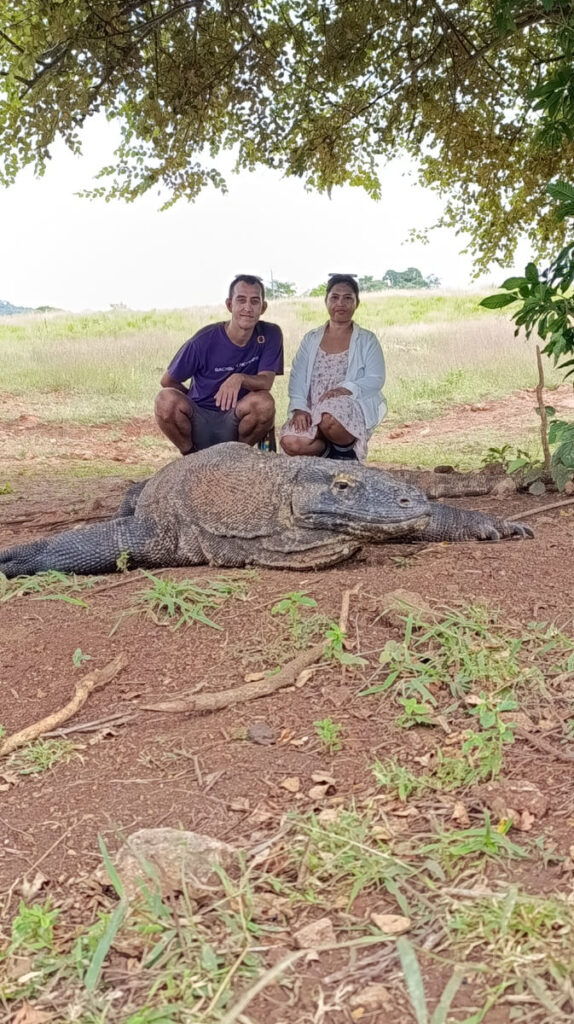
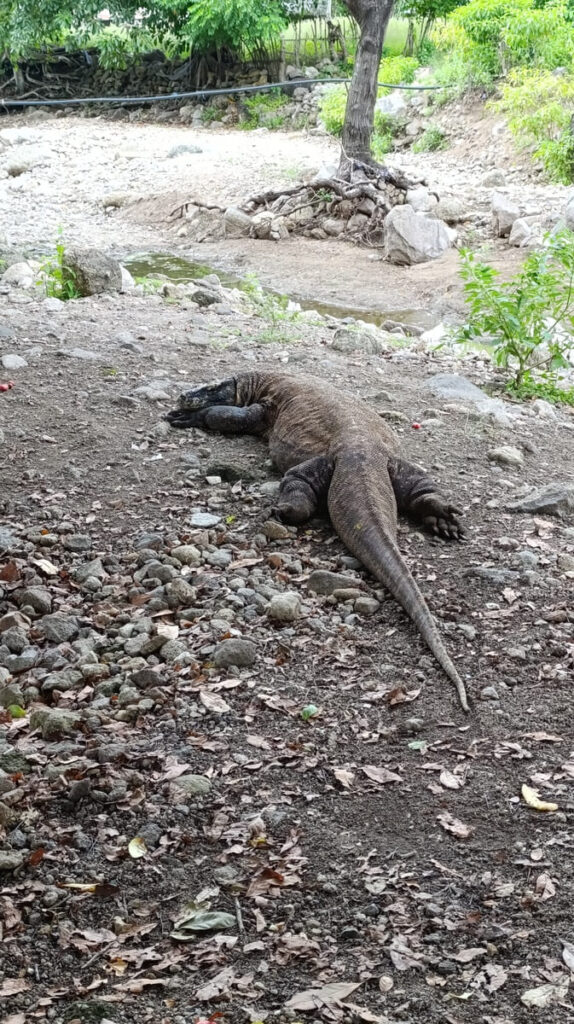
But worry not, information about the dragons is abundant on the internet, at least.
I couldn’t shake the feeling that they were drugged somehow. They were so sluggish, and thinking of how dangerous it would be to have humans so near…Pair that with the need to guarantee a sighting, for tourism purposes, and it makes sense.
But no. They are not. After doing some independent research, the dragons are quite slow in the heat to preserve energy (and it was scorching hot, let me tell you that). They move in bursts when a hunting opportunity arises.
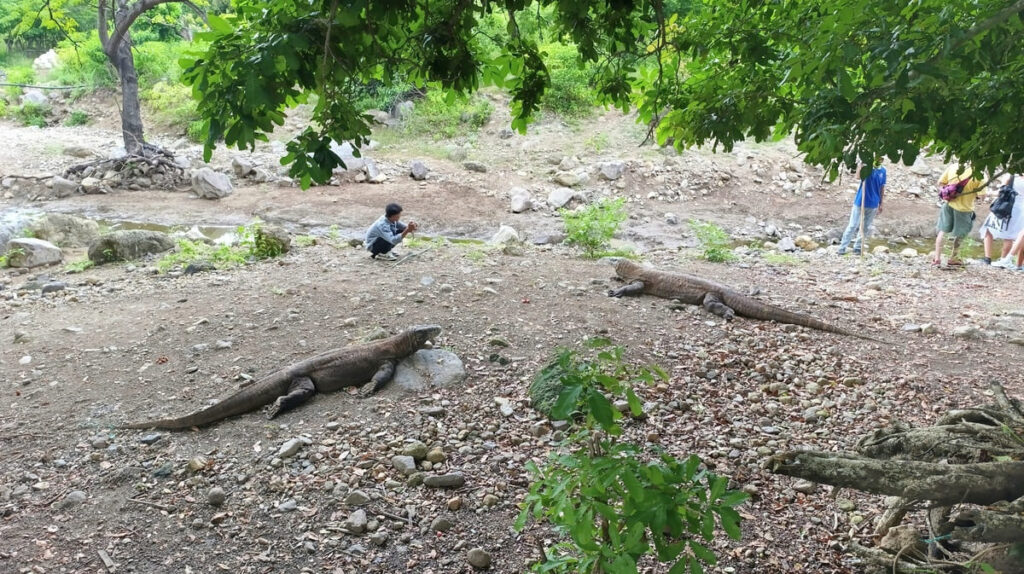
We were extremely lucky to witness a Komodo Dragon sprinting to catch a nearby goat. It didn’t, but it was close. You can’t script that.
Anyhow, Komodo Island is fun stuff. Considering you can’t see these animals anywhere else on earth, it’s an outstanding experience.
If the time allows it, and in our case it did, the boat can stop near a small isle with a peculiar stone formation. Due to its concentric circles in different hues of pink, they are suitingly called “Strawberry Rock“.
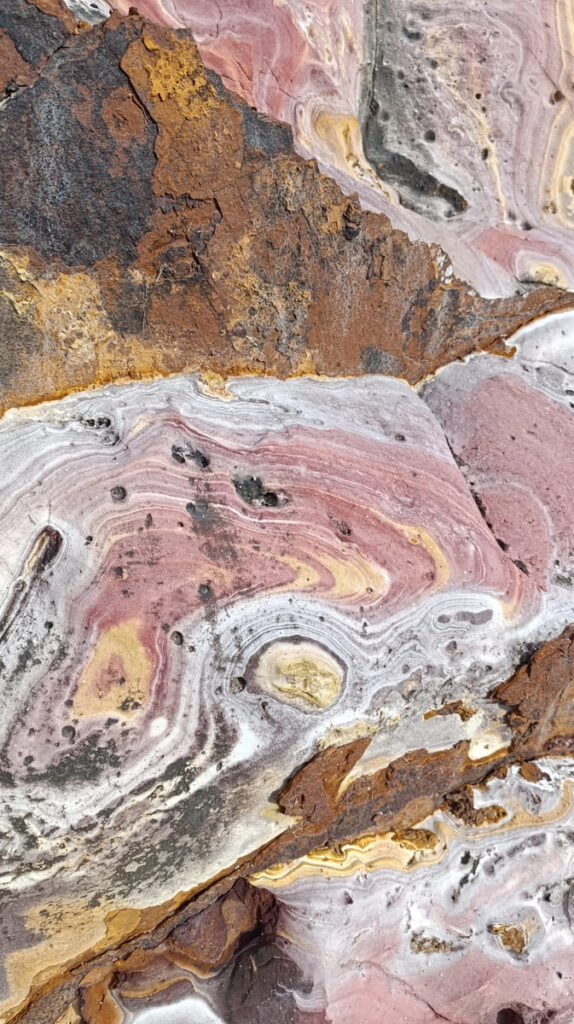
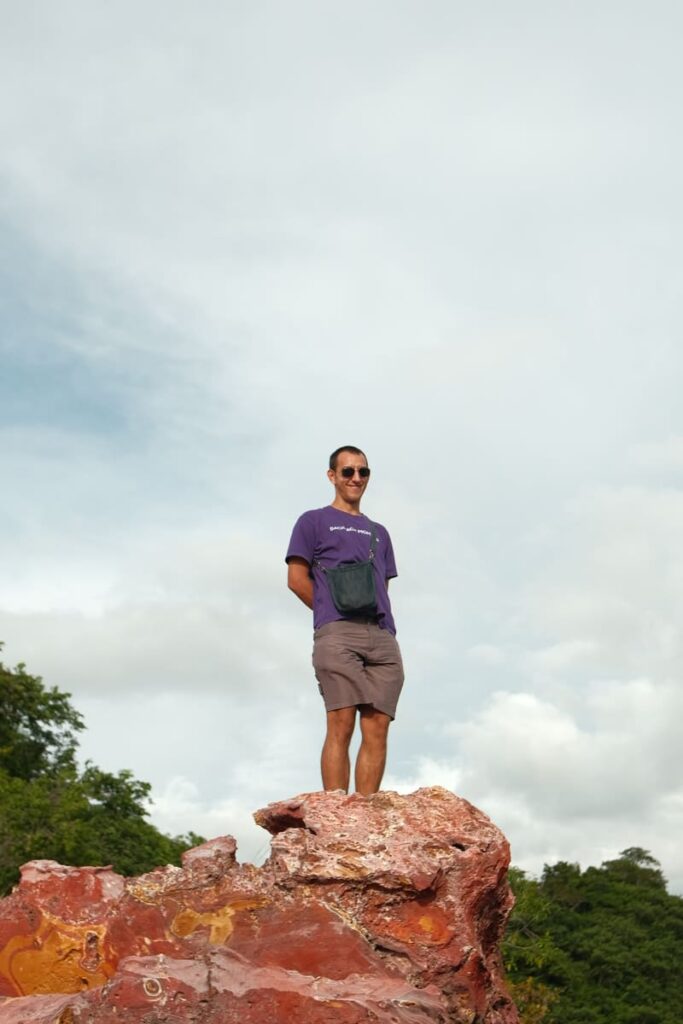
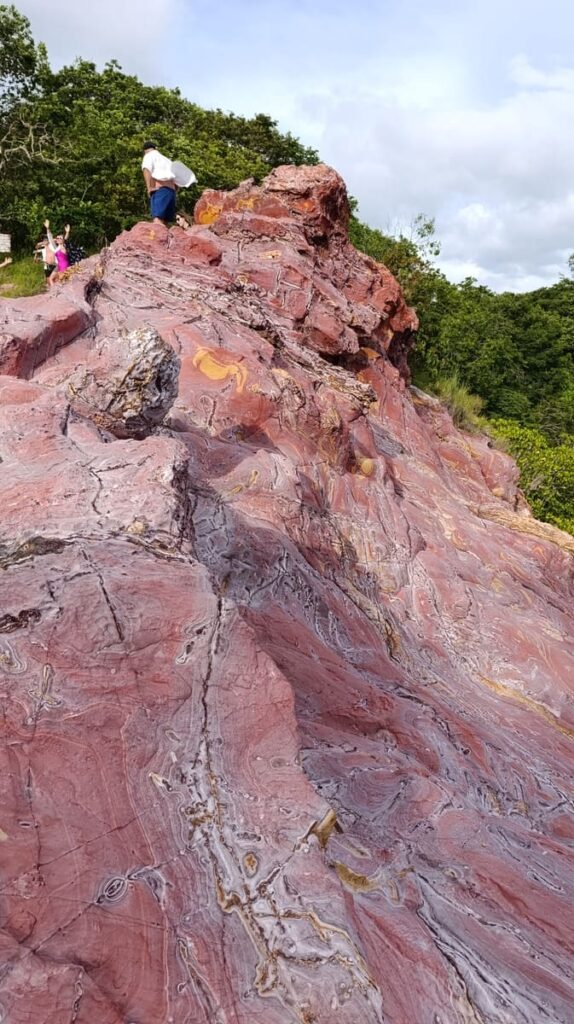
While a unique geological formation, there is little to do there, apart from taking more pictures. That’s one of the things I didn’t really enjoy, although I realize it’s unavoidable – since everyone wants a picture by the pro camera, everyone has to wait for, well, everyone else.
Sunset will find you near Kalong Island. It’s one of the most mysterious islands of the region, fed by the ban on going inside it (some may stroll on the beaches, though). Stories, legends, and myths about lost people and unknown spirits/monsters interweave to make Kalong a strange and curious place. “Lost”-level weird.
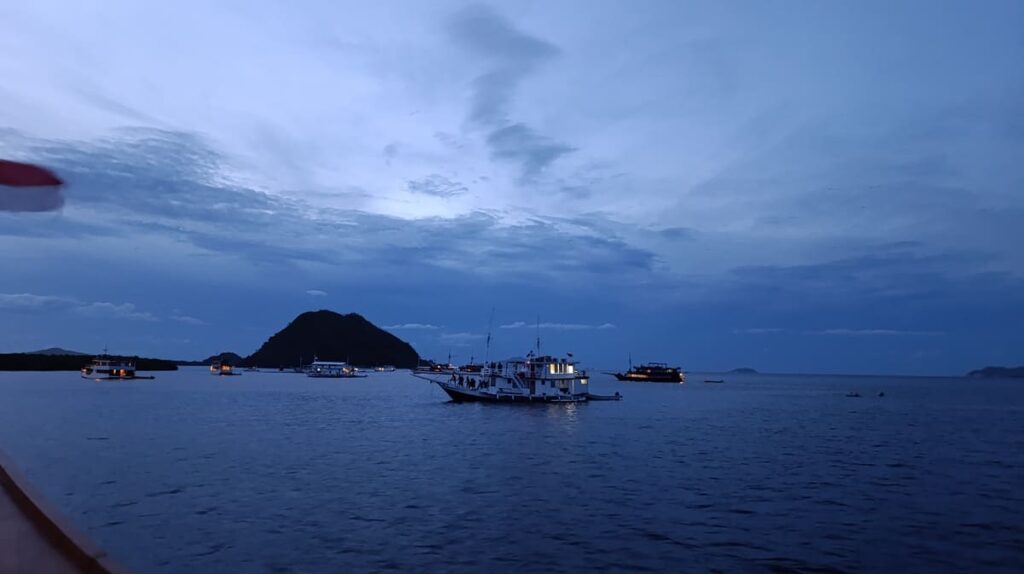
Its most famous feature is its inhabitants. Hundreds of thousands of flying foxes (the largest type of bat), which rest during the day, come out after dark to seek food.
Flying out in unison, with the deep-purple sunset sky behind, they create an otherworldly sight. Perfect setting to grab a drink, sit on the boat’s deck, and enjoy the evening.
It reminded me of a similar natural event near Battambang, Cambodia.
Day 3 – An uphill battle, baby sharks, more snorkeling, and a party
The morning of the third day will have you scaling the steep Kelor Island. While the hike is much shorter than at Padar, it is much sharper.
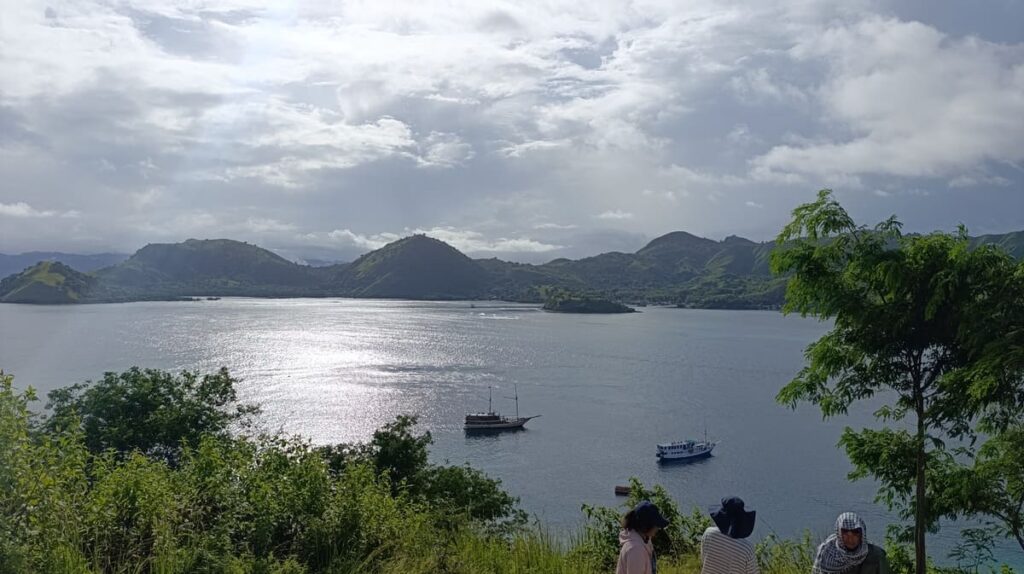
It may be cancelled if it has rained, because the trail is as god made it (and the countless tourists shaped it), thus muddy and dangerous. I saw a few people with bloody knees and elbows.
The views from the top… chef’s kiss! The contrast between the rolling green hills of the opposite islands and the turquoise waters pleases the eye.
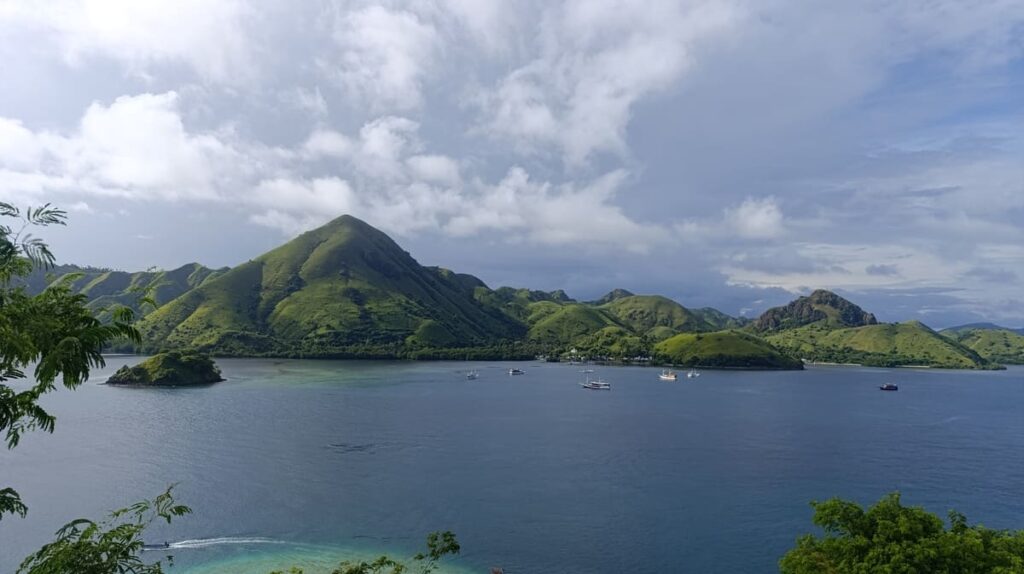
You can play a short game of “Where’s Waldo?” except with your phinisi boat.
Back down on the beach, the vendors will be ready with Indomie, soto ayam, and cold drinks, although I wish the coconuts were chilled too.
Should you be brave enough to enter the shallow waters, you may get to swim with baby sharks!
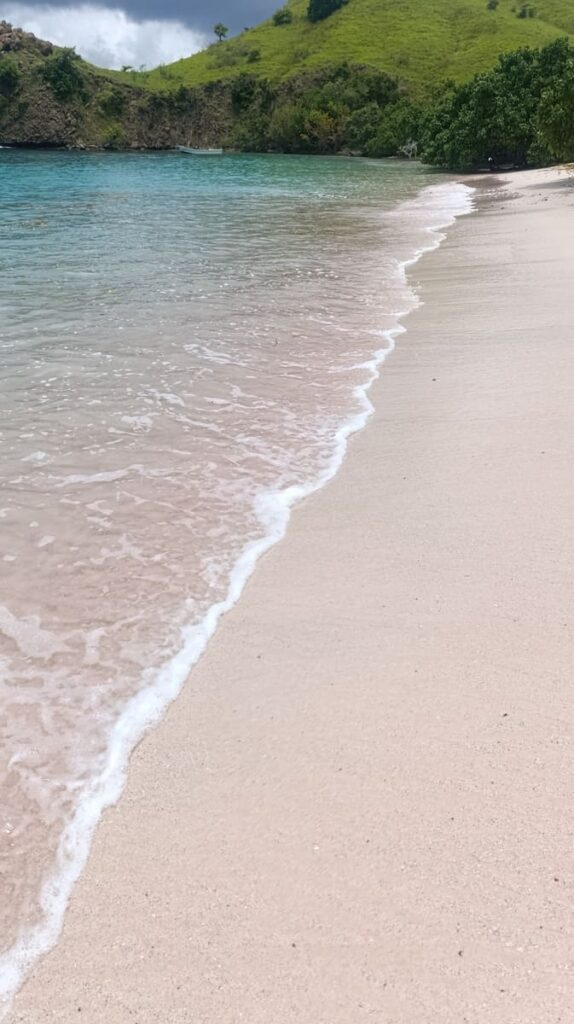
More specifically, baby blacktip reef sharks, some of them get so close to the beach that you can almost touch them (but don’t) while only knee-deep. They are harmless to humans, but I am not convinced the opposite is true, too.
The last day of a 3D/2N tour is usually flexible. If, for some reason (usually weather), you couldn’t visit any of the highlights on Day 2, the third day offers a second chance.
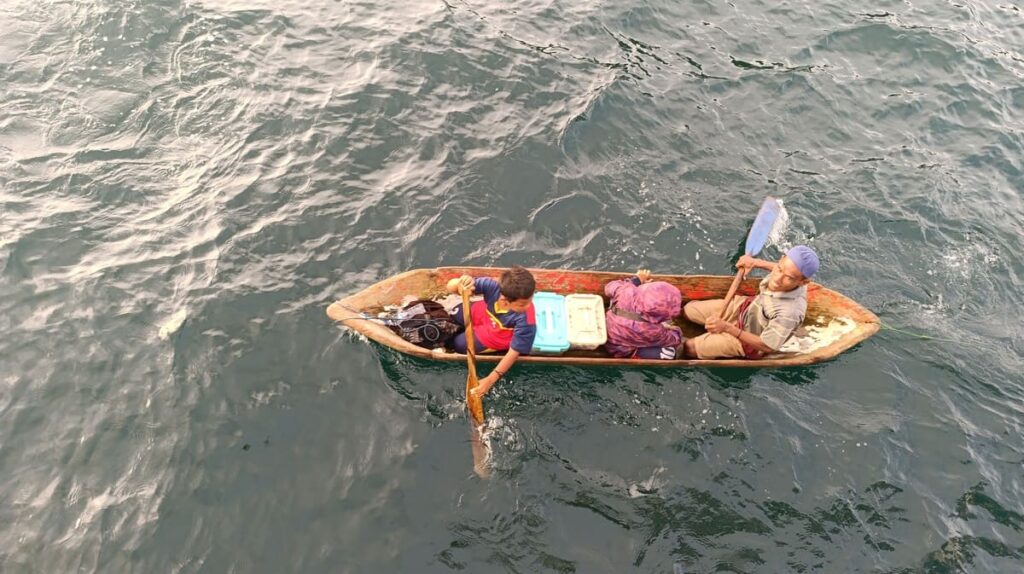
In our case, there was no need for that, which is why we went snorkeling near Kelor Island.
If you have to pick just one place to snorkel, go to Kanawa Island.
Snorkeling near Kelor is not bad per se, but it offers much less biodiversity. Still, quite cool!
Back on the boat, it’s time to start saying your goodbyes. As the Phinisi aims for Labuan Bajo, you will have one final chance to feel like a millionaire on a yacht…or Jack Sparrow….or both?
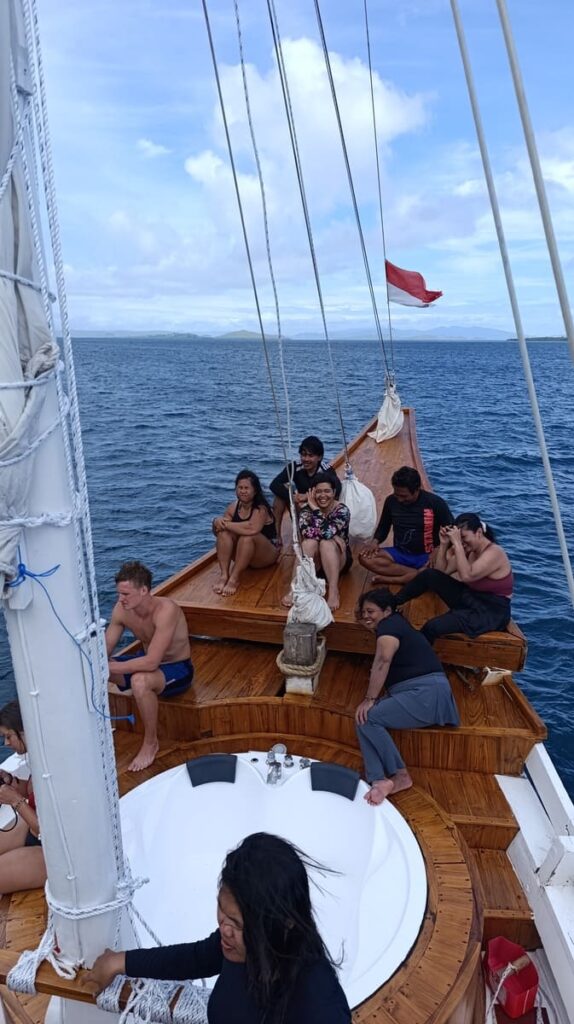
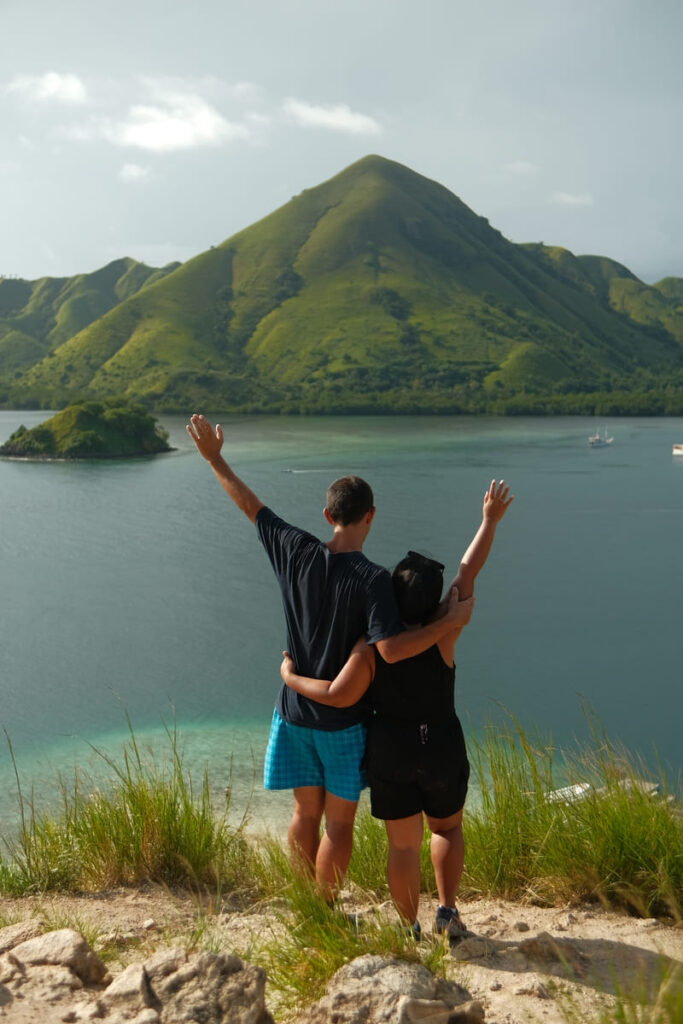
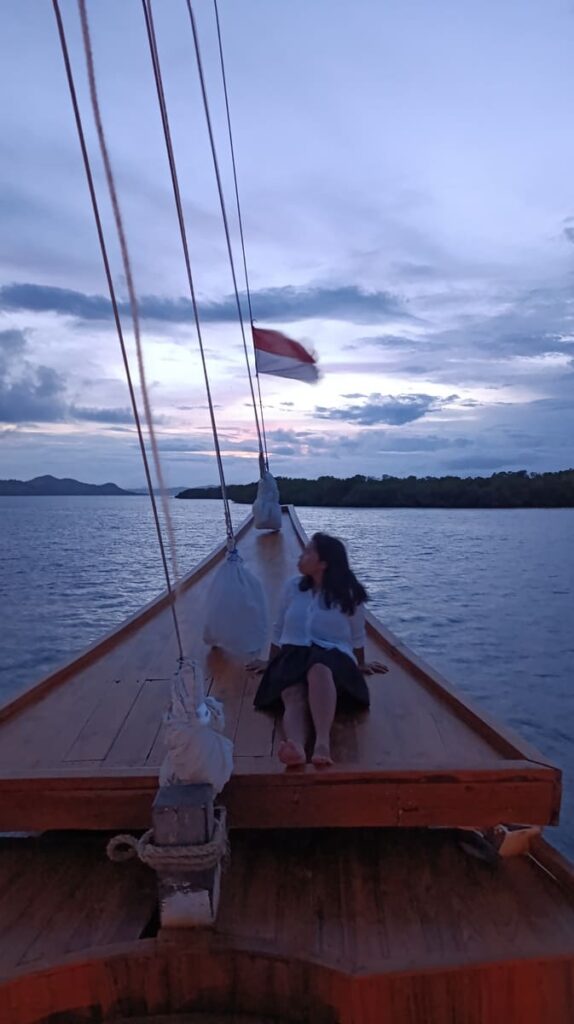
The type of party on board will largely depend on the crew and the other guests, of course. Some may stop the boat and let you jump off the deck. Some may take a few of the tourists for a spin on the jet ski. Music is guaranteed; fun almost always too!
Shorter and longer Komodo sailing trip alternatives
| Trip length | Characteristics |
|---|---|
| Day trip Book the best day trip. | You leave in the morning and come back in the evening. It’s usually on a speedboat, and you don’t sleep on it. Only visits the highlights briefly. |
| 2 days / 1 night Book the best 2D/1N trip. | You get a taste of Komodo with a night on a Phinisi boat. Visits most of the must-see places. Best to do if you only have the weekend. |
| 4 days / 3 nights For the 4D/3N trip, I recommend Wanua Adventure. | This is an open-sea adventure that brings you from Lombok to Labuan Bajo (or vice versa). You get to see many exciting places and take a deep dive (pun intended) into what both Sumba and Komodo have to offer. |
Soooo…. Is the 3D/2N worth it?
Yes, I believe the 3D/2N variant is the best option for sailing in the Komodo National Park when compared to the alternatives.
A day trip doesn’t visit all spots and doesn’t give you enough time to enjoy all activities.
The 2D/1N is a good option. You will have enough time for the highlights, and it’s the most popular length for a reason. However, it’s not cheaper on a per-day basis than the 3D/2N, so you can spend just a little more to add a third day and a second night on the boat. If you don’t have the time to spare, though, pick a 2D/1N tour – it’s the next best thing.
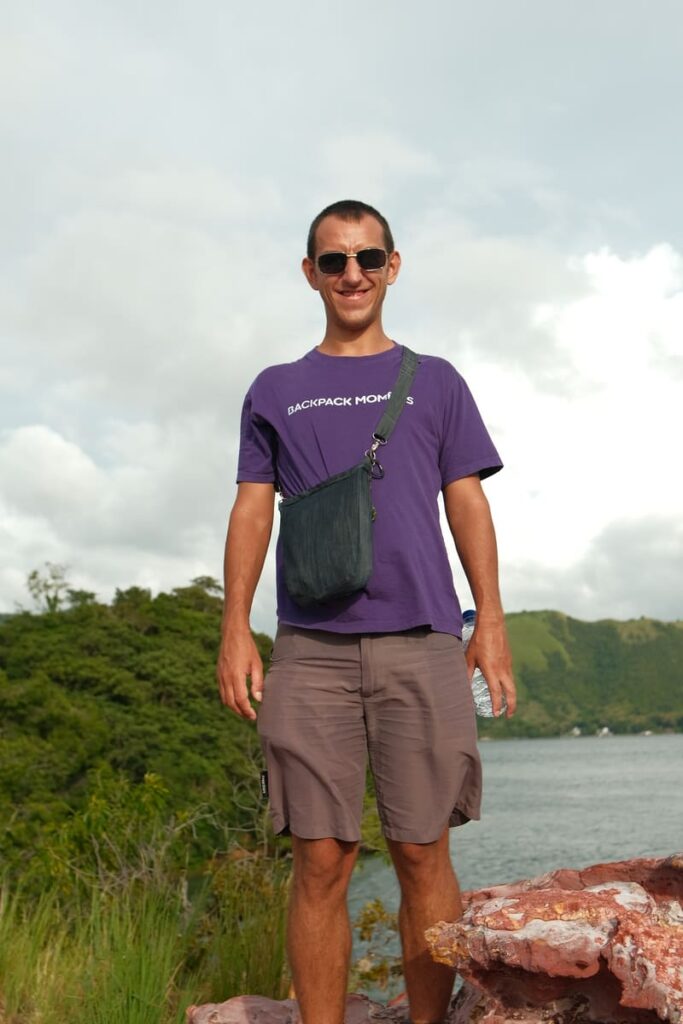
The 4D/3N itinerary is suitable only for those traveling one-way between Lombok and Labuan Bajo (Flores). These tours have also been frequently criticized for unethical practices in the way they treat the whale sharks. Long story short – the tour organizers feed the sharks to guarantee sightings, thus disbalancing the ecological equilibrium.
Komodo Sailing Trip FAQ
When do tours leave?
The standard departure day for the 3D/2N tours is Friday. This is to fit the weekend when most people come to Labuan Bajo. Some tours go on Monday (ours did).
Recently, more and more tours have started leaving midweek to try to avoid crowds.
How’s the food on the boat?
Pretty good actually! It was very varied, well-cooked, and quite tasty!
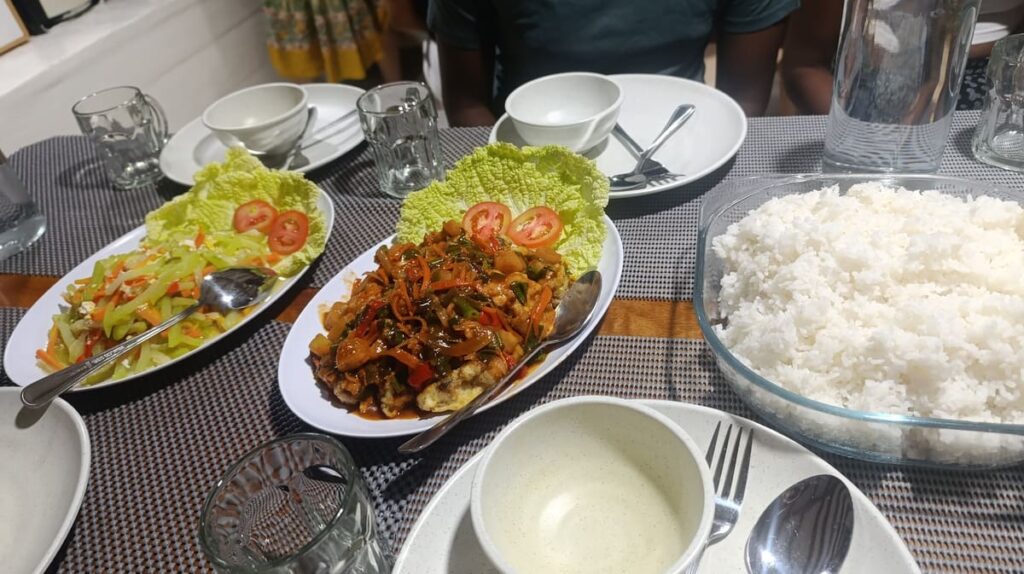
It is served in buffet style and features 5-6 different options for each meal. Big ups to the other people on the boat for being considerate and sharing equally!
What to pack?
Pack a swimsuit, flip-flops, closed shoes, and light everyday clothing. That’s it – you don’t need anything special.
Are the Komodo dragons dangerous?
Generally, yes, the Komodo dragons are deadly creatures.
In practice, attacks on humans (especially healthy ones) are rare. They want easy prey, not a difficult fight. Unless you provoke them, they are unlikely to do anything but sit in the shadow, chill, and wait for a goat to pass near.
Moreover, the rangers are there and can control them, so the visiting experience is really quite safe.
How to visit Komodo NP from Bali?
Yes, but not directly.
You can either fly to Labuan Bajo (several daily flights, 90 mins) and start the trip there, or go to Lombok (fly or by boat) and do the 4D/3N adventure from Lombok to Labuan Bajo, which includes the Komodo.
Do you get seasick on the boat?
That depends on the person. Some do, some don’t. The boat does wobble lightly, which for some (like me) is pleasant, but for others can be disastrous to their vestibular apparatus.
To help with seasickness, opt for as large a boat as possible, take some meds (they are sold over the counter in Indonesia), and go during the dry season (May to November).