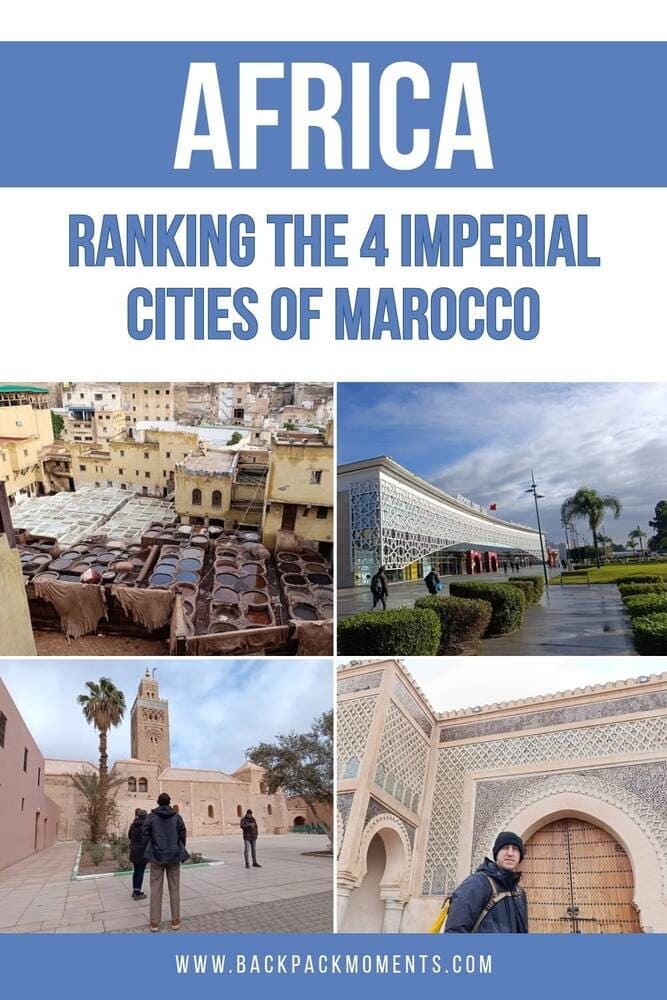
Ranking the 4 Imperial Cities of Morocco (Marrakech, Fes, Meknes, Rabat)
This post may contain affiliate links. If you make a purchase using one of these links, I may receive a small reward at no extra cost to you. See my Disclosure Policy for more information.
Having been a kingdom for centuries, Morocco has had several capitals, 4 to be precise:
- Fes: The first capital (circa 808) and several times afterwards, ending in 1912.
- Marrakech: The most royal capital: from 1071 to 1244 and from 1511 to 1659.
- Meknes: Capital for the shortest time: from 1672 to 1727.
- Rabat: The current capital (since 1912) and the most modern city.
They have come to be known as Morocco’s Imperial Cities.
An often-followed itinerary in Morocco is to visit all 4 within a 7-10 day timeframe. Having done precisely that, I developed opinions about each of them. I will tell you which one I think is best, where to spend the most time, and what not to miss/skip.
With the promise to be completely honest and not sugarcoat places and the disclaimer that these are all subjective and incomplete, here is how I rank the four Imperial cities of Morocco.
1. Fes: Most authentic and historic
- Key adjective: Immersive
- Wish I had spent more time?: Yes!
- Main attractions: Tanneries, oldest university in the world, maze-like medina, overlooking hills.
Fes was hands down my favorite city in Morocco.
I am absolutely fascinated by cities where you can easily lose yourself, where the layout has naturally developed over centuries and reflects organic growth, and every corner reveals something unexpected.
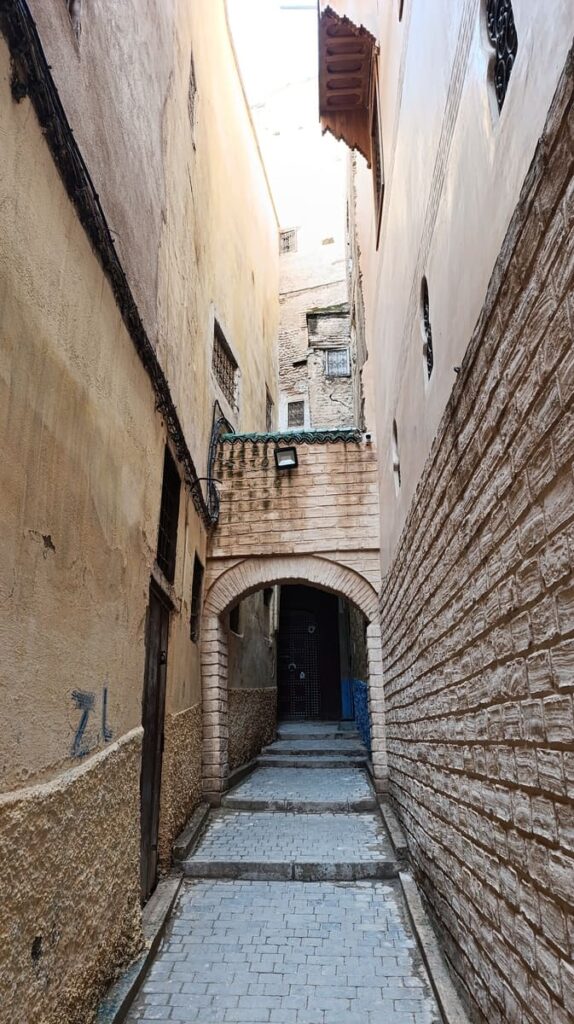
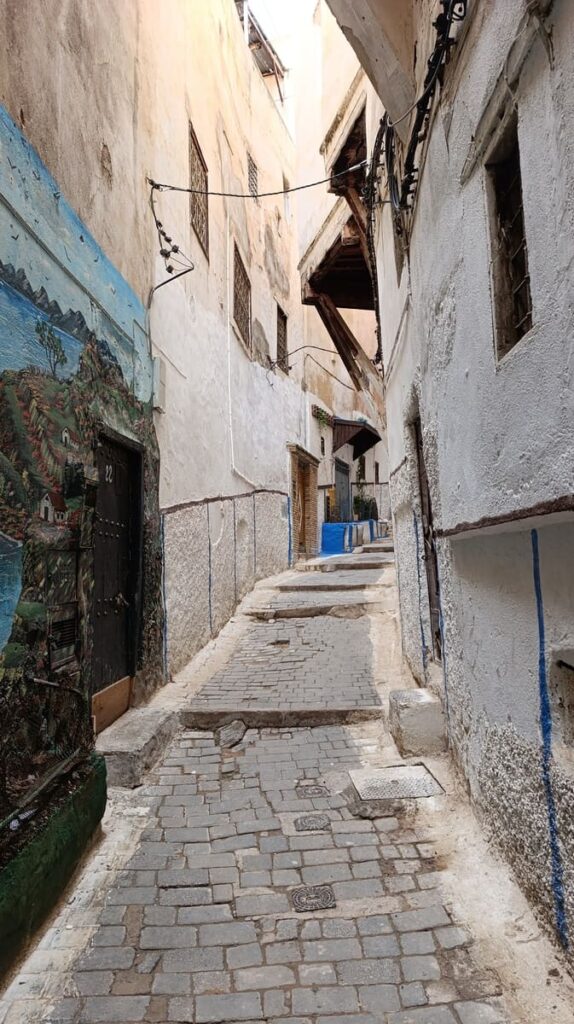
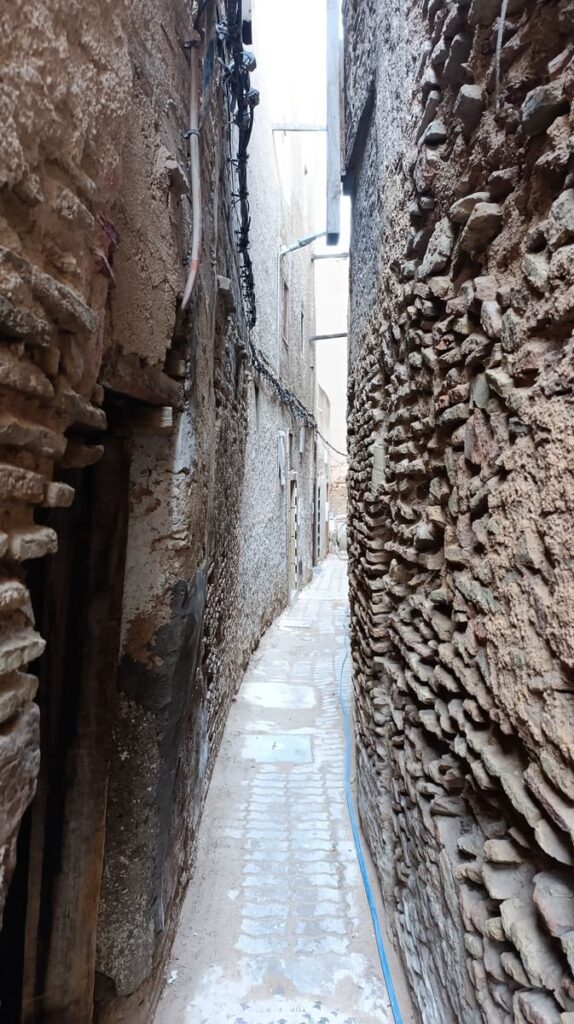
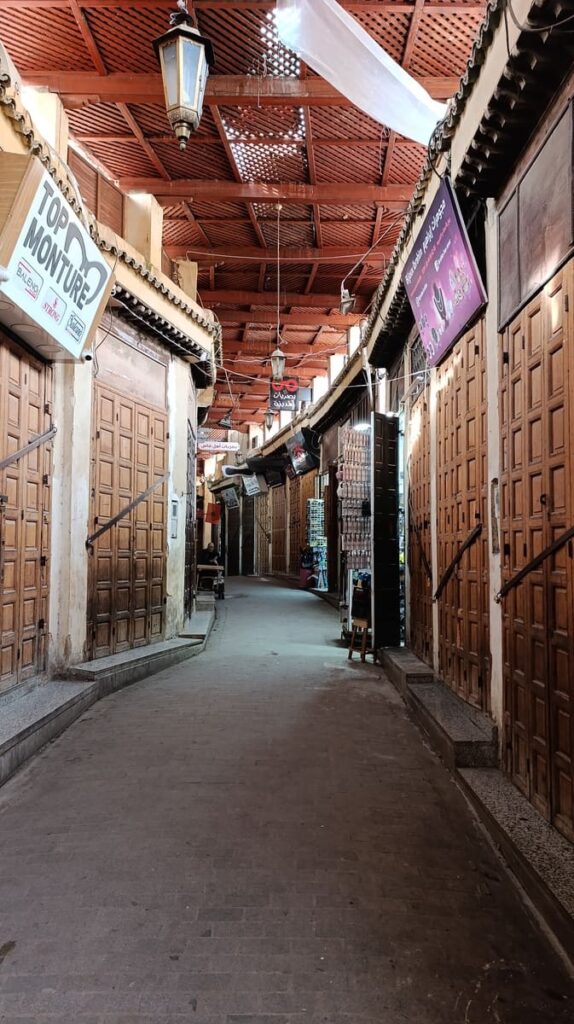
Fes is just that. A natural labyrinth and the world’s largest car-free zone. Navigating the narrow alleys can be disorienting, but that sense of immersion is precisely what made Fes so rewarding for me.
The historic quarter, the medina (especially Fes el-Bali but also Fes el-Jdid), is akin to a living organism that has changed little in the last millennium. An open-air museum in its own right.
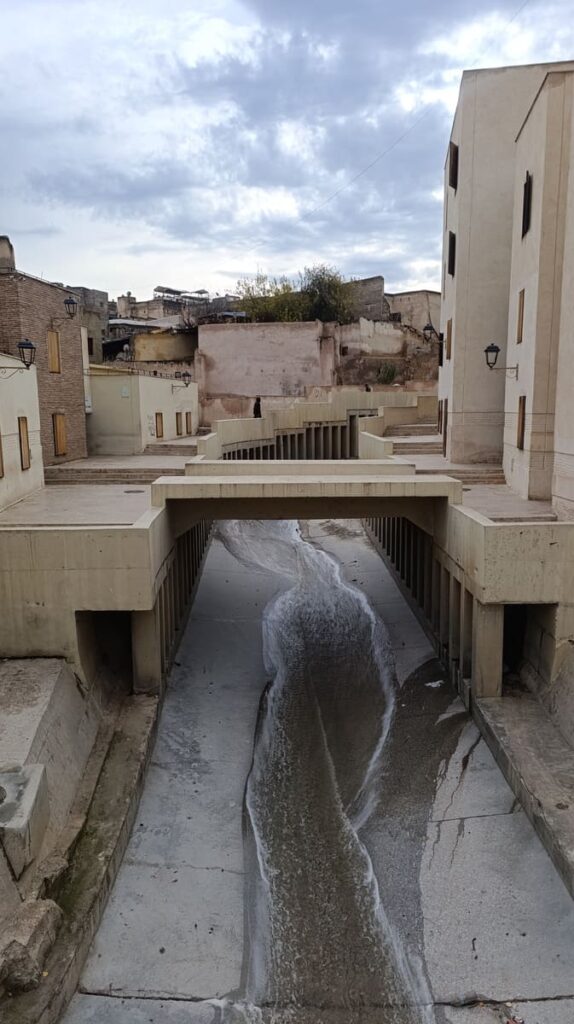
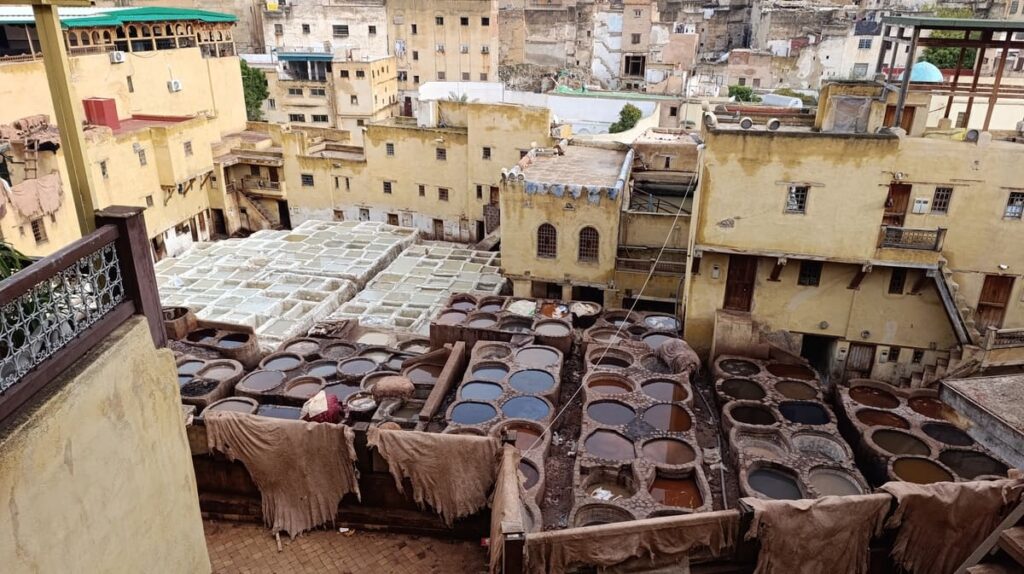
The famous tanneries (e.g., Chouara Tannery and two others) have produced leather in the same traditional way for over 1000 years. Isn’t that fascinating?
Fes is also home to what many consider to be the world’s oldest university – the University of al-Qarawiyyin, established in 859 AD.
It and many other smaller schools, libraries, mosques, and workshops woven into everyday life position Fes as a city for religious learning, piety, craftsmanship, and trade.
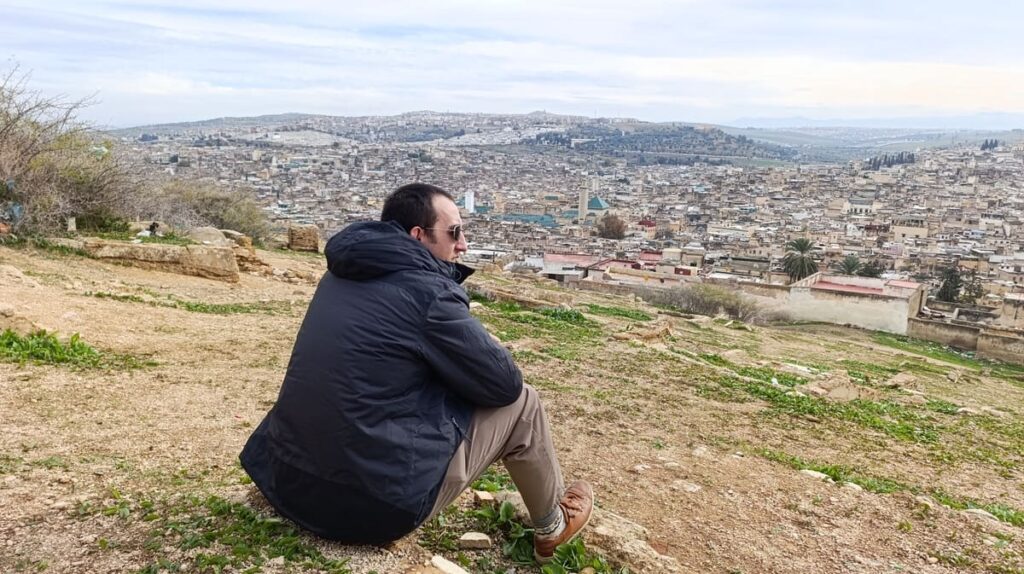
It’s just so marvelous and so unique. I absolutely love Fes.
2. Rabat: Most modern and polished
- Key adjective: Refined
- Wish I had spent more time?: Yes!
- Main attractions: Kasbah of the Udayas, Hassan Tower, the medina, the contrast between the new and the modern part of the city.
It’s a hard take, but I found Rabat much nicer than Marrakech, hence why I ordered them thus.
Rabat has that modern city feel with the wide boulevards, loads of green spaces, the slick trams, and orderly architecture.
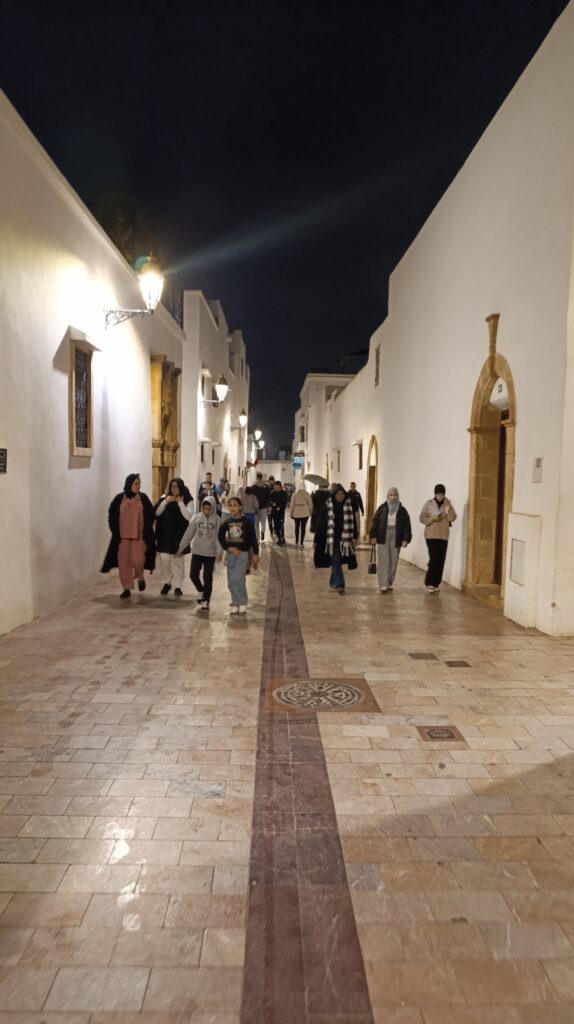
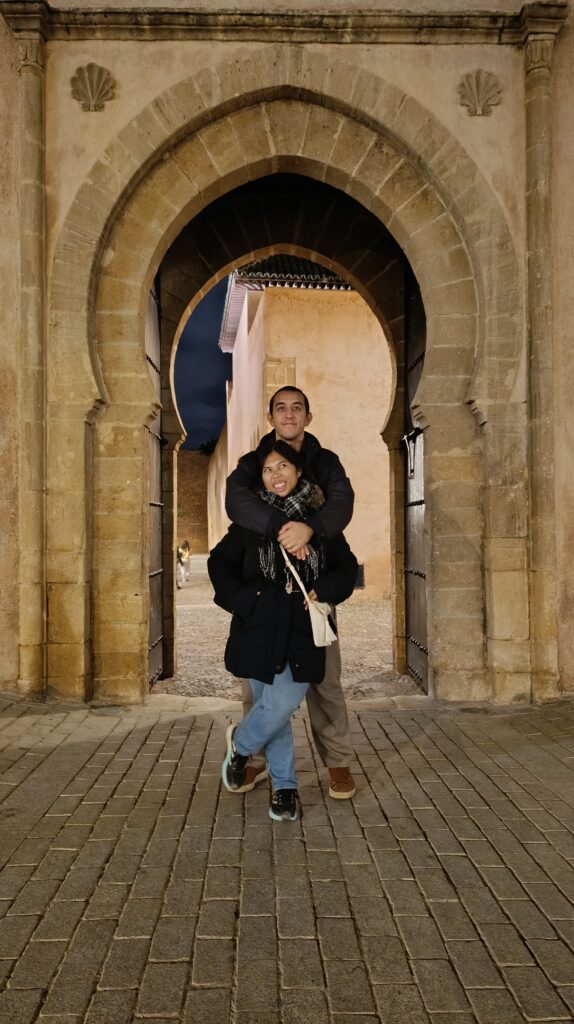
People there seem more cosmopolitan and more liberal – not that this in itself is either a good or a bad thing. It’s just that Rabat offers a different, contemporary view of Morocco, letting us as visitors appreciate the transition between old capitals and the new.
Step into the old medina and you’re quickly transported into the well-known Morocco from centuries ago – just like in Fes, Marrakech, Essaouira, or Agadir. Just a little more polished and a little more hip.
The Kasbah of the Udayas, this former fortress on the north end of the city, next to both the river and the ocean, is a marvelous example of medieval Moroccan architecture with a palpable 20th century colonial reconstruction. It’s akin to a miniature medina within the medina and is very pretty, both outside and within.
In another part of the city, the Hassan Tower shows us what could’ve been. Intended as the largest minaret in the world, it remains unfinished and has survived for over 8 centuries.
Rabat – a marriage of old and new, which is a fitting imperial capital for 21st century Morocco. I am a fan and would visit again.
3. Marrakech: Well-balanced but not contemplative
- Key adjective: Dazzling
- Wish I had spent more time?: No
- Main attractions: Jemaa el-Fnaa (main square), Koutoubia Mosque, Bahia Palace, Jewish Quarter (with Synagogue and Jewish Cemetery), Madrasa Ben Youssef, endless souks.
It’s not that I didn’t like Marrakech, I did. But I think it’s fallen victim to its own popularity.
I believe Marrakech is considered a must-visit (and often the only city to visit) because it was the capital for the longest time during Morocco’s golden age.
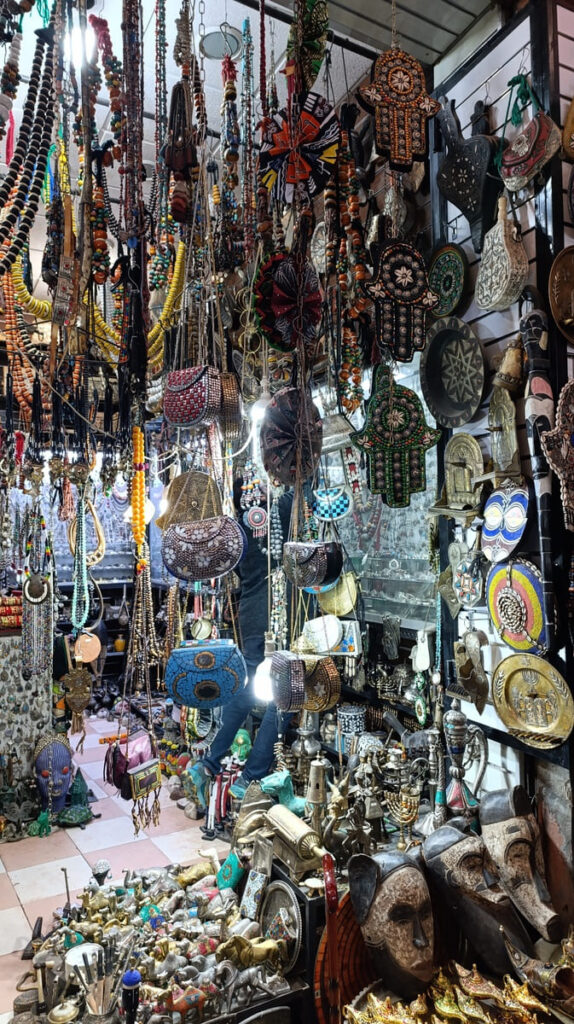
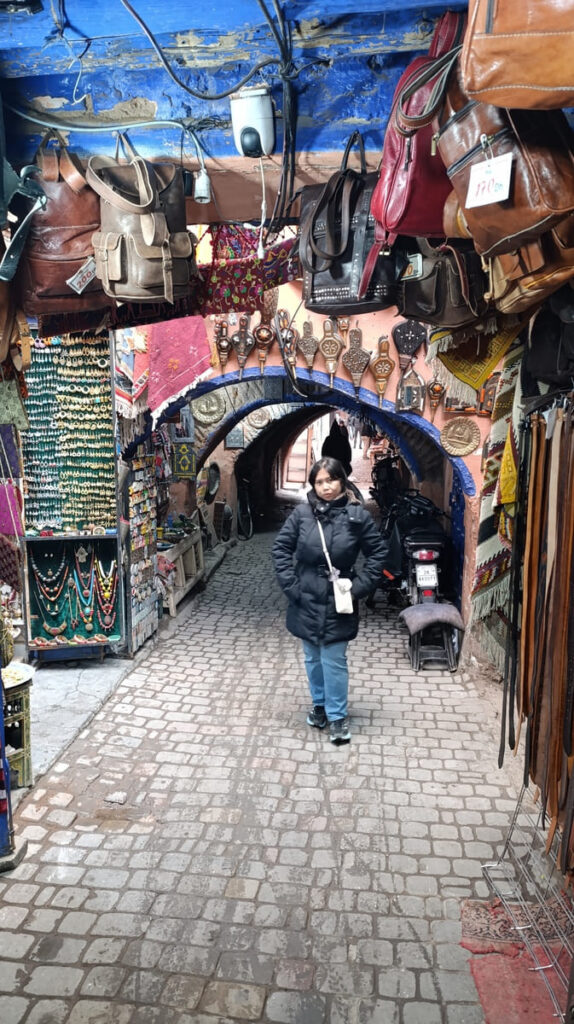
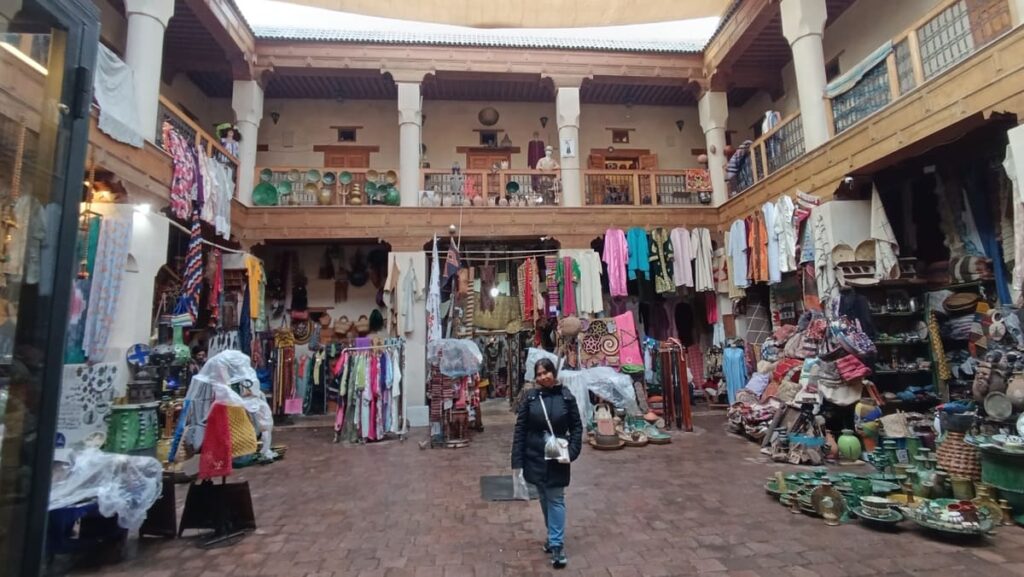
Marrakech is theatrical, featuring grand palaces, ornate riads, and a city’s rhythm that’s always alive.
It shows off, in a way. This is hard to explain, as anthropomorphising an entire city gives a very limited and extremely subjective description. Though this is my opinion: if Marrakech were an animal, it would be that bold rooster with the glossy, vibrant feathers and the attitude of a leader.
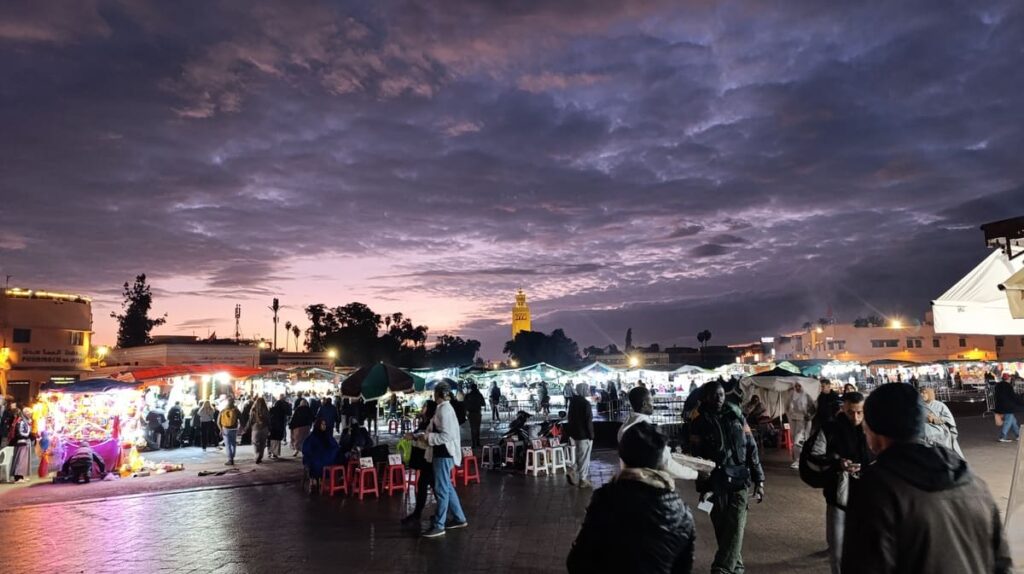
Jemaa el-Fnaa, in particular, is the city’s beating heart. It’s a lively square during the day (and its fair share of scams) and a sprawling open-air spectacle of food stalls and performers after dark.
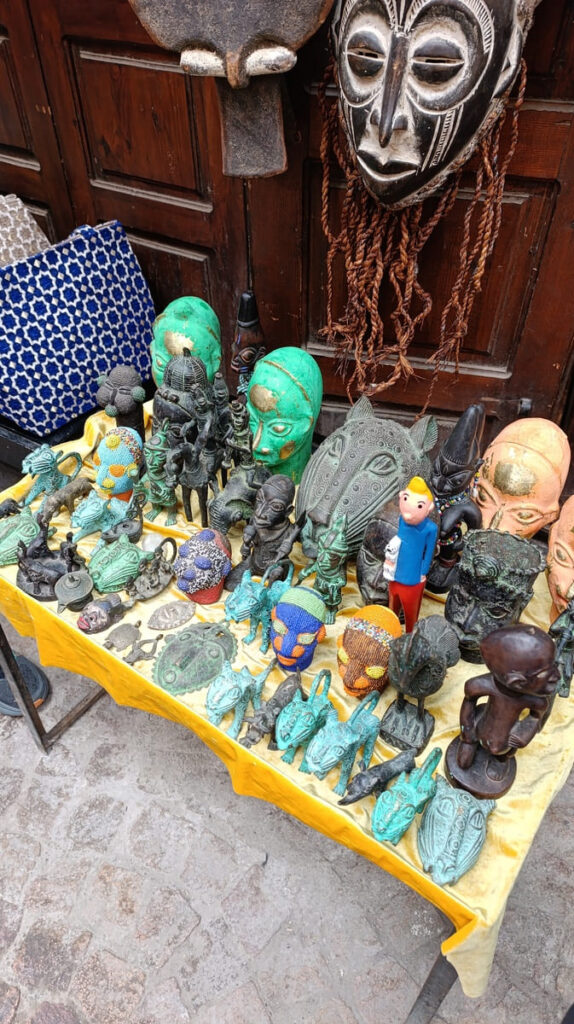
Steps away, you dive into the magnetised souks, which will sell you things you didn’t know existed and definitely didn’t think you needed.
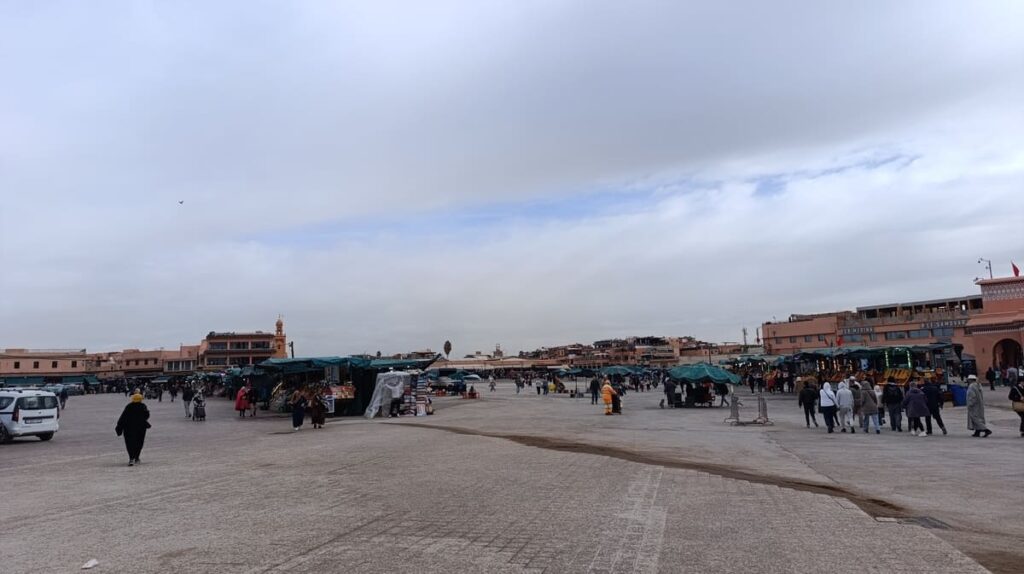
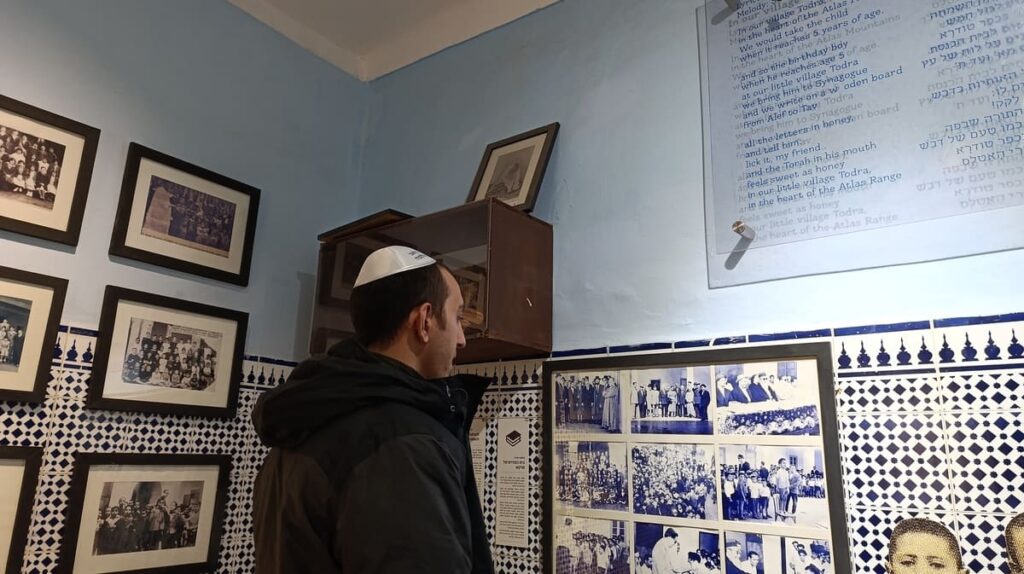
Worth a visit are the Jewish Quarter and one of its remaining synagogues – I bet you didn’t know that before the formation of Israel, Marrakech was home to a thriving Jewish population of more than 50000?
Tourists also visit the Bahia Palace, the Yves Saint Laurent Museum, Dar el Bacha, and the Museum of Culinary Arts.
Here lies my issue with Marrakech – a lot of those seem way too touristy. Not a tourist trap (yet), but definitely somewhere on the spectrum.
Whereas in Fes, pretty much everything is authentic to the point that sme places are not even open to visitors, Marrakech invites all, turning traditional places into tourist attractions.
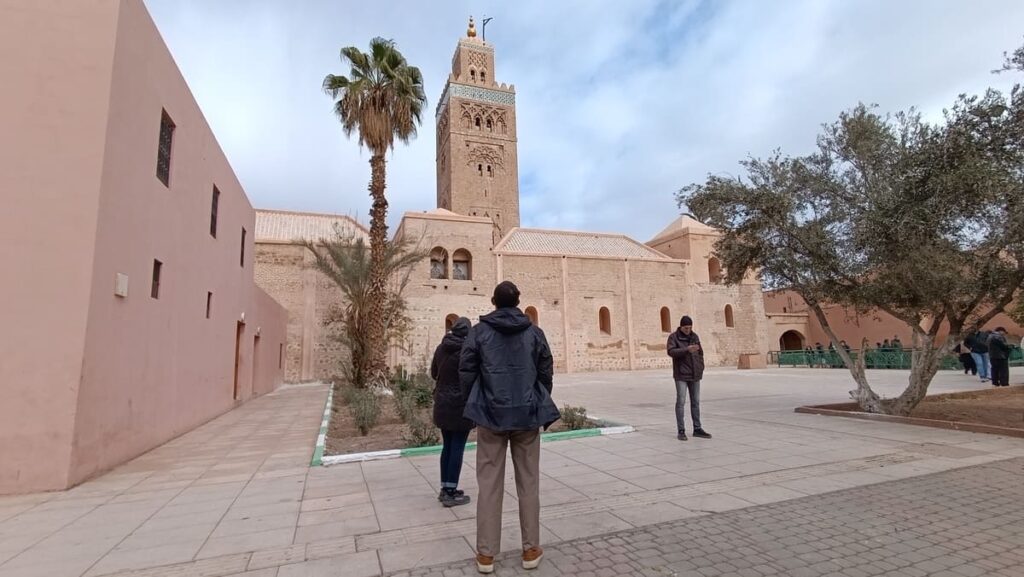
What it lacks in raw authenticity and scholarly depth, though, Marrakech compensates with accessibility and variety. It’s more curated and tourist-facing.
Its proximity to the ocean (3 hours to Essaouira), the rocky desert Agafay (1 hour), the Atlas Mountains (<2 hours to parts of it), and the Sahara (9 hours, which is not that long given the desert’s remoteness) make Marrakech a suitable city for first-timers to Morocco.
4. Meknes: Not engaging and not memorable
- Key adjective: Unremarkable
- Wish I had spent more time?: I stopped there briefly for 5 hours, and I wish I spent them in Rabat instead.
- Main attractions: Bab Mansour Gate, Mausoleum of Moulay Ismail, Royal Stables
Meknes lies on the railroad line between Fes and Rabat, so we decided to do a stopover there for a few hours before taking another train down to the coast.
I wish we hadn’t. Meknes was a let-down, at least to me.
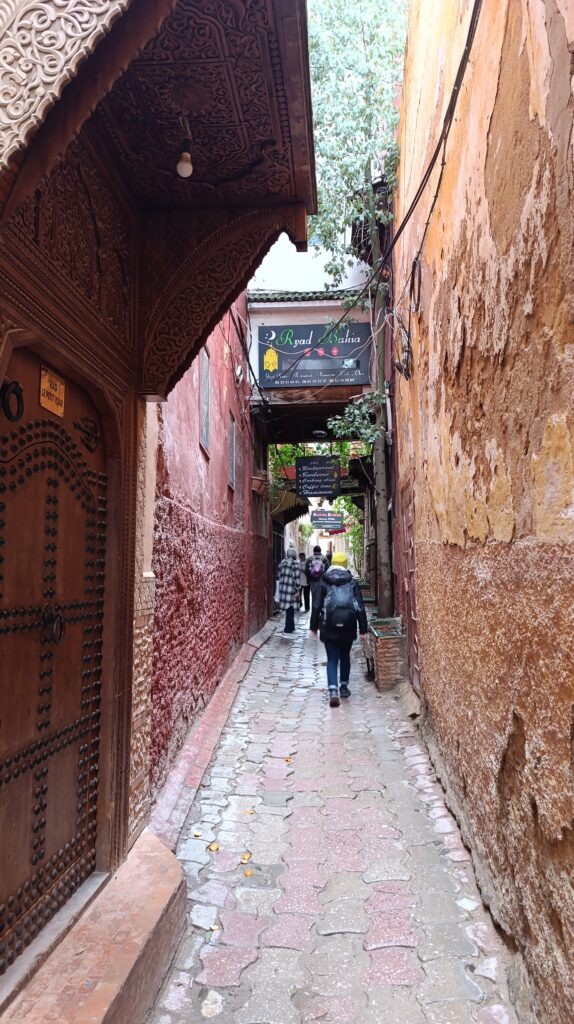
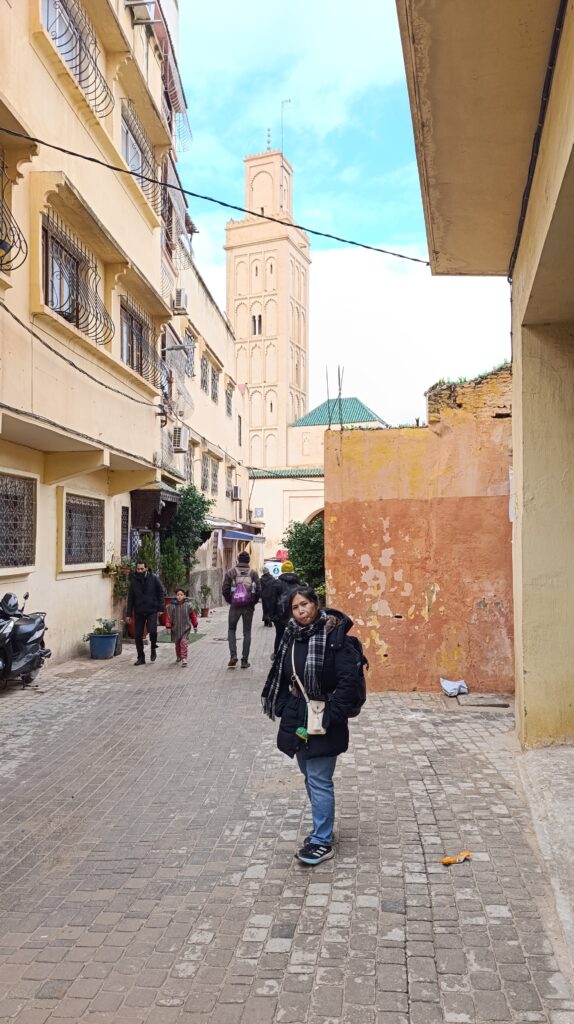
Perhaps it’s because it was an imperial capital for the shortest time (just 55 years) and more than 3 centuries ago, but what was supposed to be an “off-the-beaten-track” city turned out to be an underwhelming, nearly ruinous disappointment.
Meknes is serene but not in a good way. It was too bland for me.
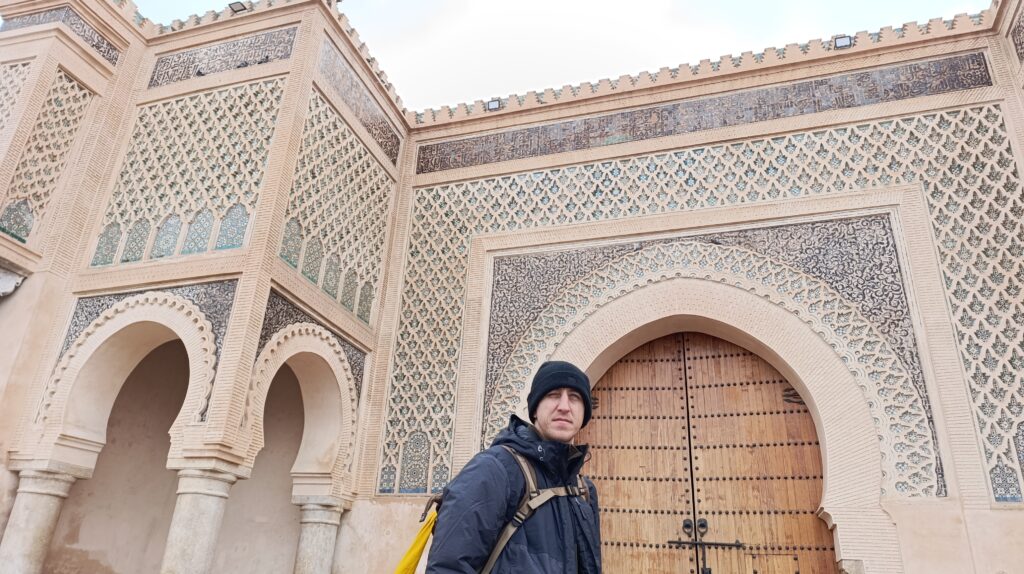
You can’t get lost in the medina like in Fes, it lacks any of the grandeur of Marrakech (even the famous Bab Mansour Gate is not that impressive), and it’s not at all shiny like Rabat.
The few architectural remnants of the imperial period that remain are in a horrible state – the Royal Stables are practically ruins, the Qara Prison is totally devoid of anything to see or any exhibitions, or any info boards about it, and the Bou Inania Madrasa in the medina charges a hefty fee without providing any information whatsoever.
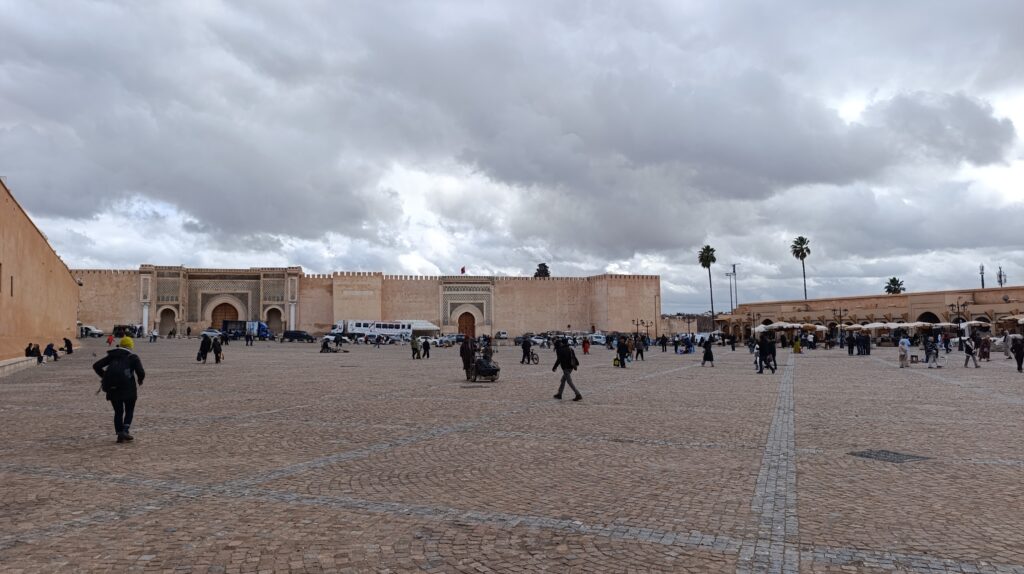
The Mausoleum of Moulay Ismail, the emperor who made Meknes his capital, is, surprisingly, free to enter and open to non-Muslims but offers no more than 3 empty halls and a final tomb, which is out of bounds.
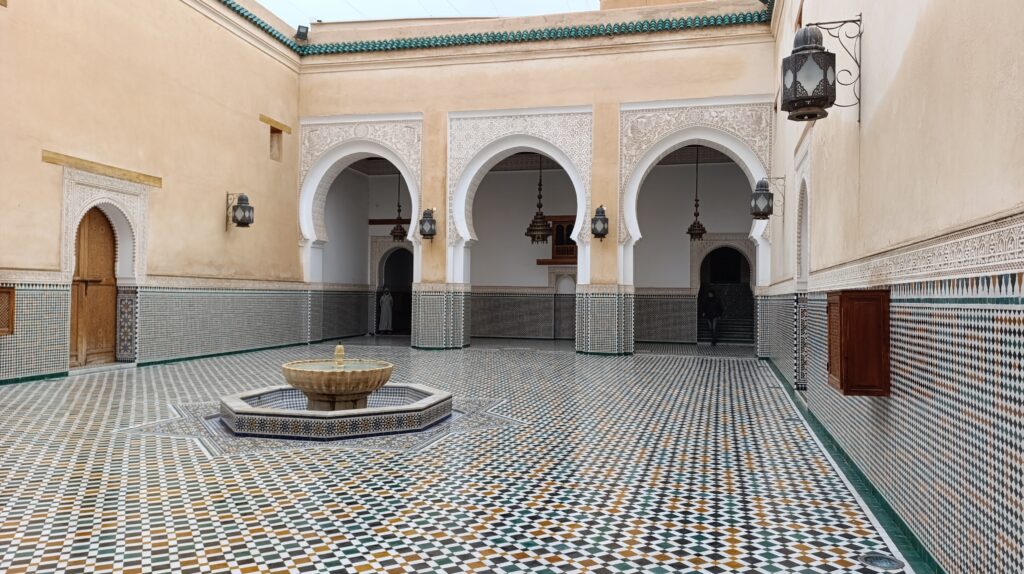
The medina feels subdued rather than immersive, with few active workshops (compare that to Marrakech, where real, non-touristy workshops can be easily found in many areas). The entire place lacked a soul.
Especially if you visit Meknes after any of the other imperial cities (which you are pretty much guaranteed, given where the airports are), you may feel that it’s not just underwhelming, but actively disappointing. Well, at least I did.
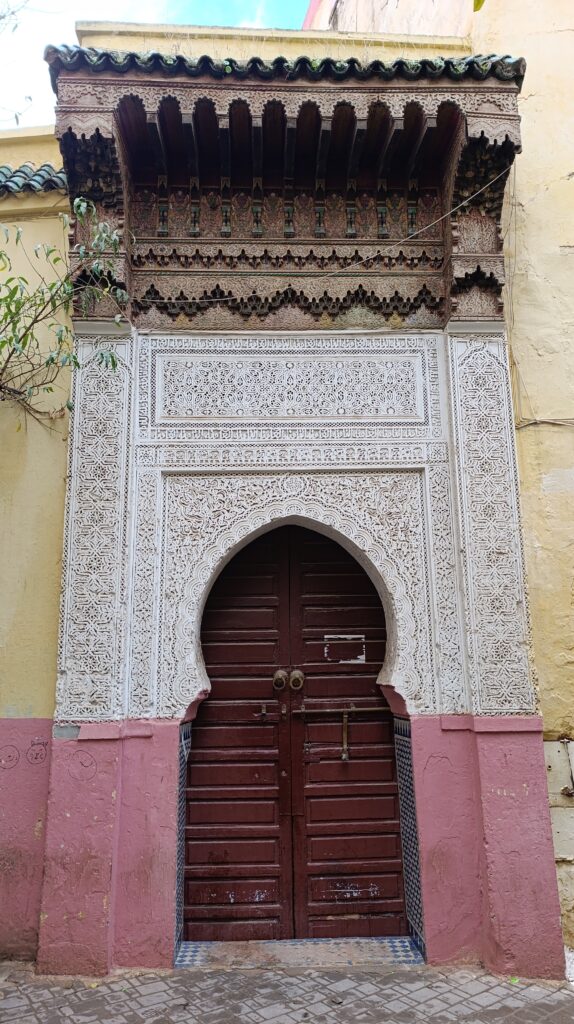
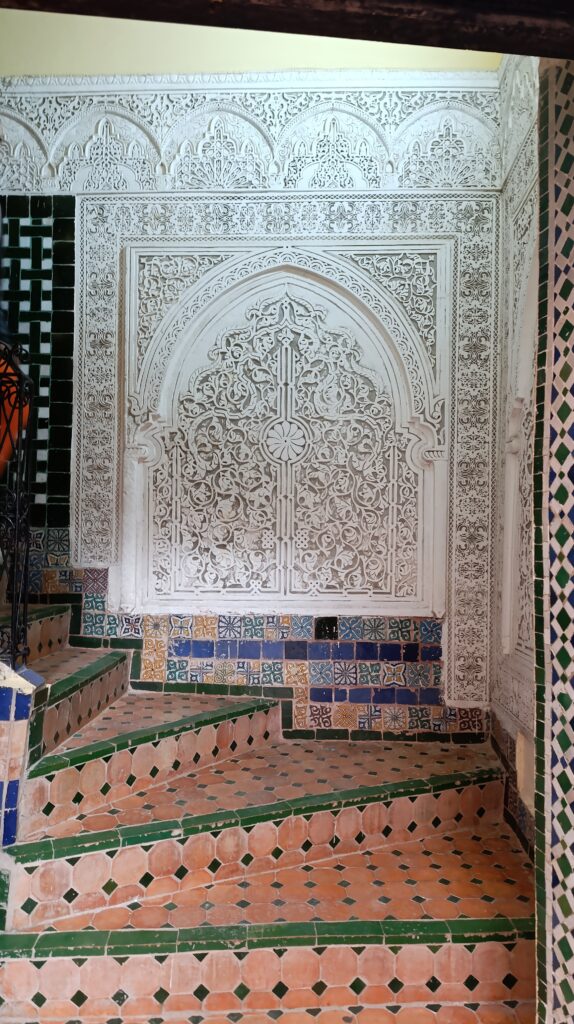
Sorry, though I promised to be completely honest, so not sorry. Skip Meknes and spend the extra time in Fes or Rabat instead.
A sample 7-day itinerary along Morocco’s imperial capitals
There are many ways to plan and execute a trip to Morocco, depending on where you land, how much time you have, and what you want to see and experience.
Without going too far into detail, I will simply share my itinerary in the Country of the Setting Sun. We had 6 full days and 7 nights, plus a short morning.
- Arrival at Marrakech Airport (RAK) late at night. RAK has direct flights to many European cities and cheap fares courtesy of Ryanair, Wizz Air, and others.
- 4 nights (3 full days) in Marrakech:
- 1 full day to explore the city.
- 1-day trip to Essaouira
- A half-day trip to the Agafay Desert + half a day in the medina
- 2 nights (1 full day) in Fes. I found very cheap flights from Marrakech to Fes, which saved us not only money but time too, given that the train journey between the two is about 7 hours (the flight being just 45 minutes).
- A stopover in Meknes. Trains from Fes depart every hour, taking ~40 minutes to Meknes. The same train continues onwards to Rabat.
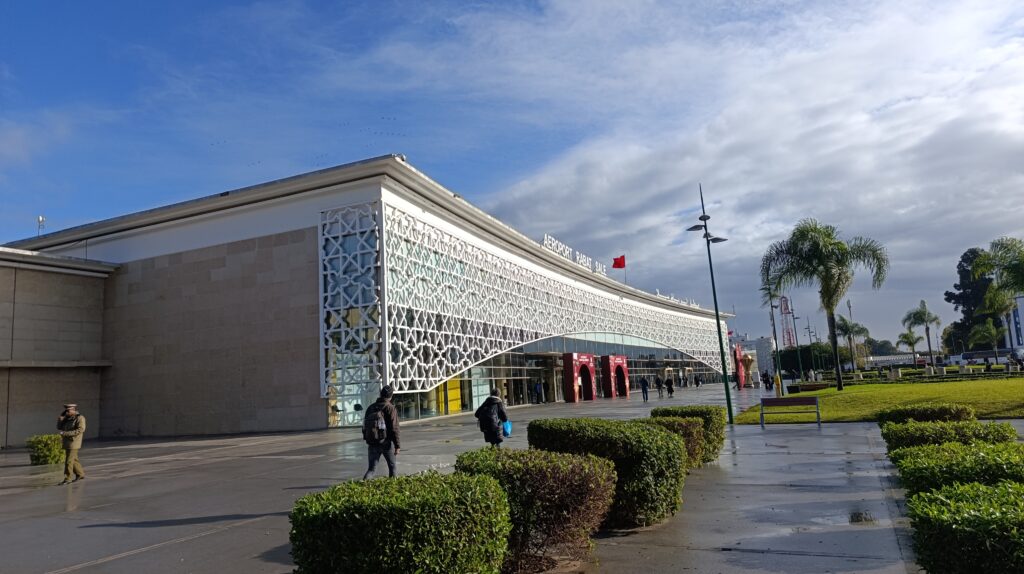
- 1 night (2 half days) in Rabat. Many airlines, including low-cost ones, fly from Rabat to several European capitals, making it a suitable first or last stop in Morocco.