
Is Jakarta worth visiting? The harsh truth is a big NO!
This post may contain affiliate links. If you make a purchase using one of these links, I may receive a small reward at no extra cost to you. See my Disclosure Policy for more information.
If there ever was a city I disliked more and more with every visit, it’s Jakarta.
Usually, the mere exposure effect makes you love things over time as you see/hear/experience them more often. However, with Jakarta, the saying “familiarity breeds contempt” is a lot more fitting.
Because there are so many things wrong with this city, it’s hard to latch on to anything and enjoy any of your time there.
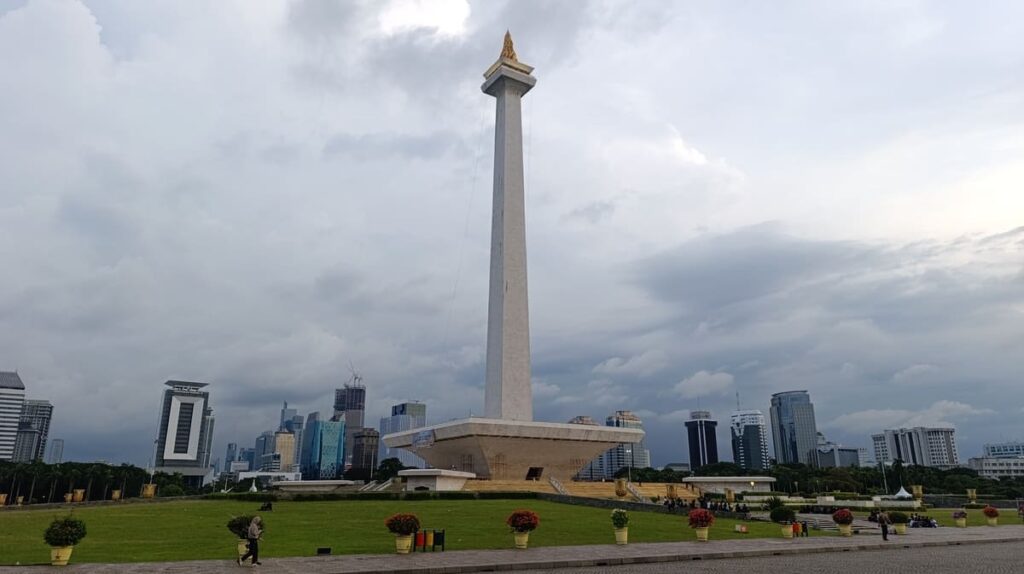
The truth is, Jakarta is on nobody’s bucket list, and the reason is simple – it’s incredibly polluted, crowded, traffic-clogged, smelly, disorganized, and everything ostensibly worthwhile is underwhelming. There are no redeeming features.
Yes, this is a very negative article, and no, Jakarta is absolutely NOT worth visiting. Stick around if you’d like to learn why I am so passionate about making you hate that city, too.
Jakarta in a nutshell
Jakarta is (still) the capital of Indonesia and the world’s largest urban agglomeration (~42 million).
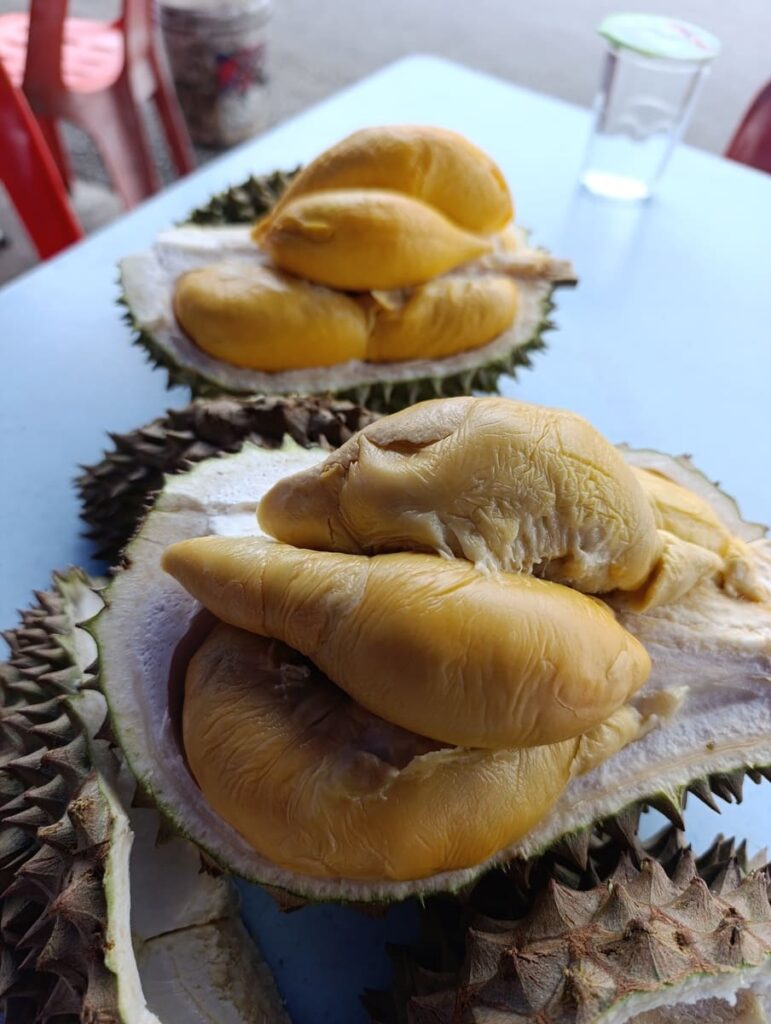
It is nicknamed The Big Durian to parallel New York (aka the Big Apple), and while there may be some similarities, the difference between the two is as great as that between Earth and Venus.
Jakarta became the capital after the Indonesian War of Independence (1945-1949) and has grown rapidly ever since. So rapidly, it’s now sinking; like, literally sinking.
A new capital, Nusantara, is under construction in Kalimantan, another of Indonesia’s islands. Even if the project succeeds (which is not guaranteed at all), it will move a lot of the administration and governance, but not commerce and business.
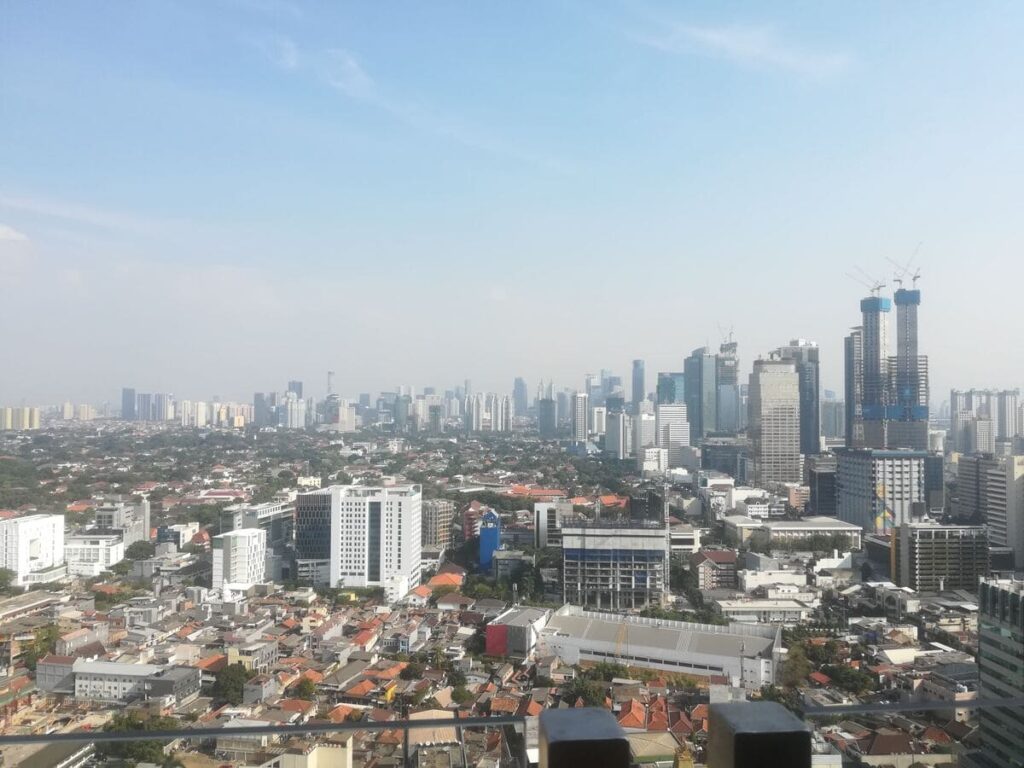
Jakarta will continue to be the beating heart of Indonesia for the foreseeable future. Thus, despite slow progress in some areas in recent years, I don’t think much of the problems listed below will change in the next 25 years.
Why Jakarta is a shithole
In all fairness, a lot of Jakarta’s issues also apply to most of Java, if not to most of Indonesia, too.
The thing is, most places have bad sides and good sides, which kind of balance each other.
But in Jakarta, it’s as if so many of the country’s problems are concentrated and exacerbated to an unbearable extent. And the positive sides are severely lacking.
So yes, I am a bit of a hater and the following are the reasons why.
Horrible traffic
It’s not uncommon to spend several hours in traffic just to cover a few kilometers in Jakarta. The situation is so bad, it’s practically part of the lifestyle.
A 5-km commute may easily require a day off or give you enough time in a car to learn a new language.
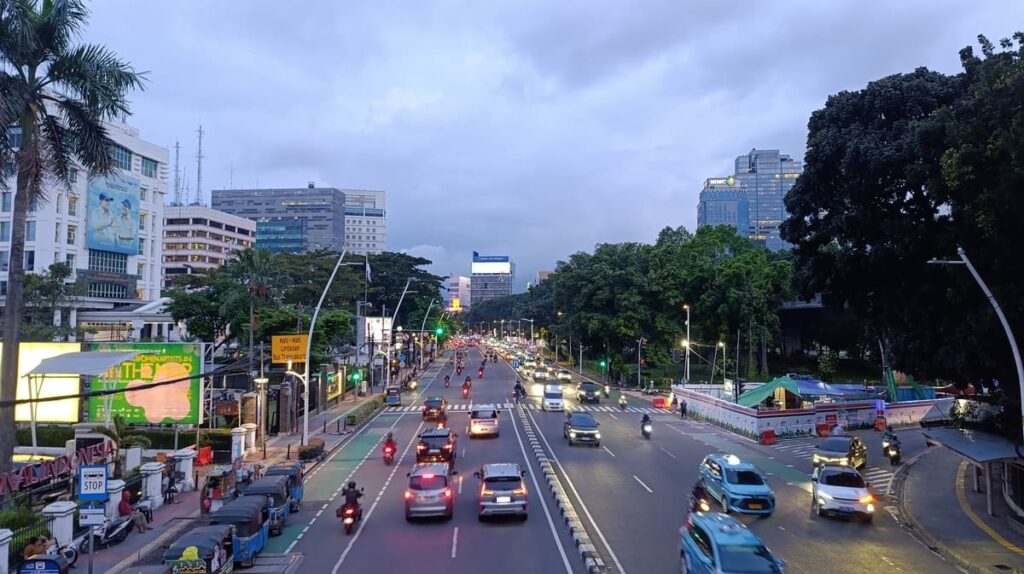
There have been considerable improvements to public transportation – the KRL commuter, LRT, MRT, and TransJakarta buses have improved connectivity for millions and made it possible for most tourists to avoid much of the congested roads.
Odd-even rationing (known as Ganjil-Genap), priority bus lanes, and cheap tickets aim to alleviate the problems.
But it’s simply not enough.
Moreover, locals don’t always comply with regulations; for example, the dedicated bus lanes often also get clogged with motorcycles and cars looking for a shortcut. You can also be sure that where there is no enforcement or monitoring, the system reverts to chaos.
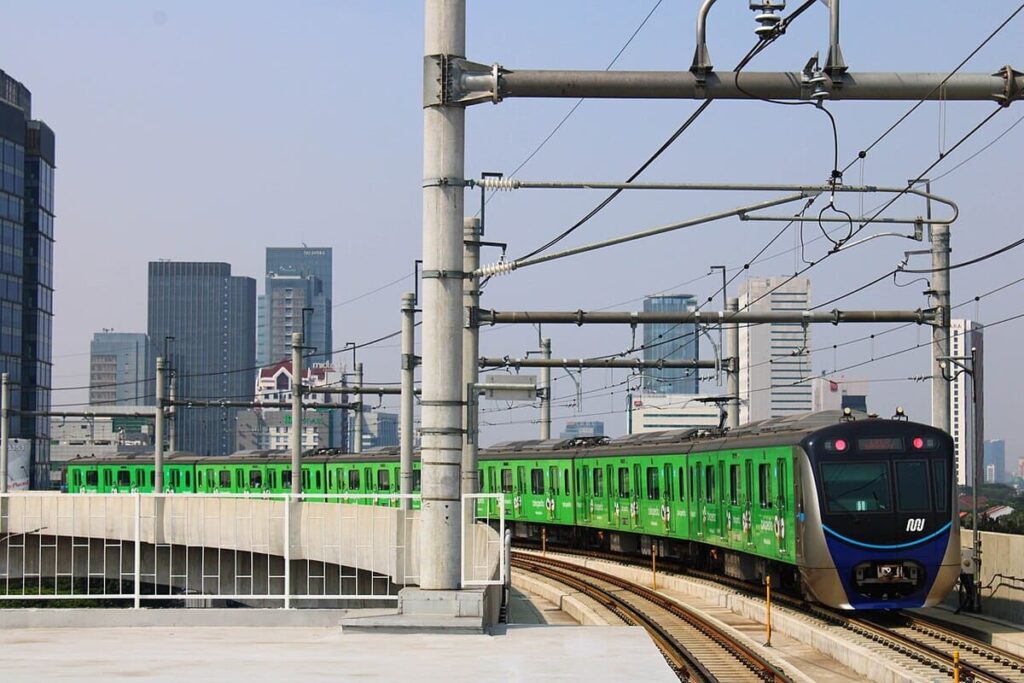
One more thing that concerns visitors and tourists – the ticketing system is not simple at all. You need special cards or apps and top them up in specific ways; single tickets are not sold, and cash is not accepted. For example, the ticket desks in the MRT stations don’t sell tickets – make that make sense.
Awful air pollution
With so many cars on the road, it’s not surprising that Jakarta is among the world’s top 10 most air-polluted cities.
But it’s not just car exhaust – it’s also peatland fires, burning of household trash, coal plants, dust from construction, and even smoking.
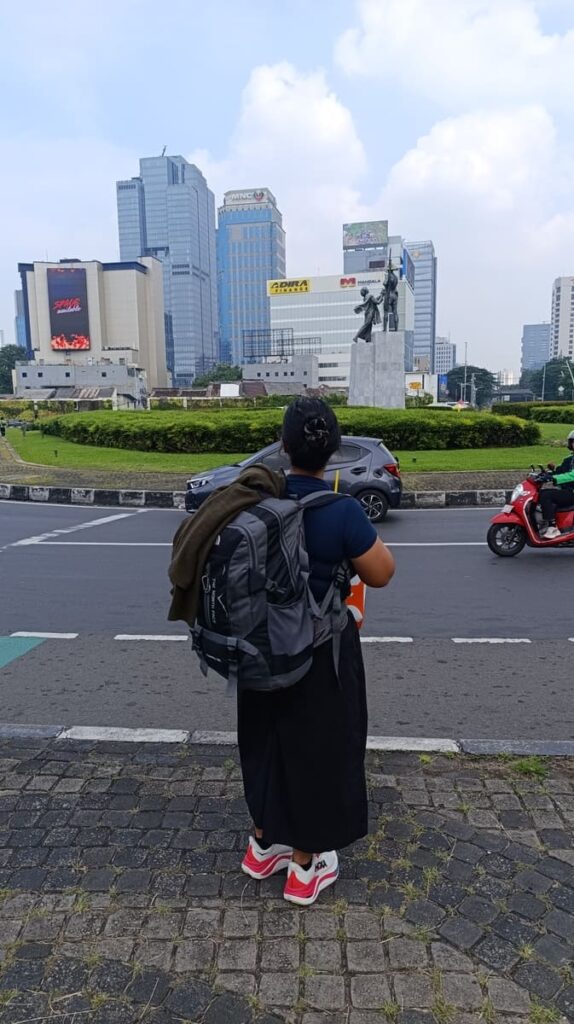
Go outside for just a few minutes and have your clothes absorb the air pollution and stench. Imagine what that does to your lungs.
Spending ANY time outside becomes unhealthy and unpleasant very quickly.
Dirty beyond imagination
If you think it’s just the air that’s dirty, you’re in for a big surprise.
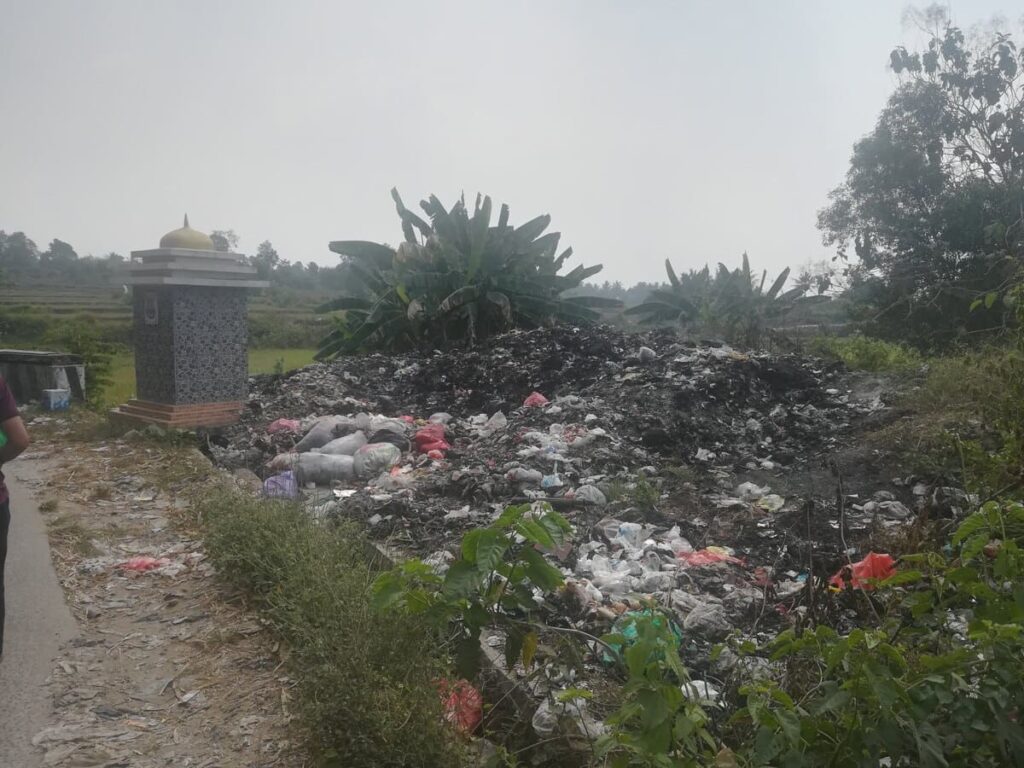
Roadside trash, unfinished construction work, plastic everywhere.
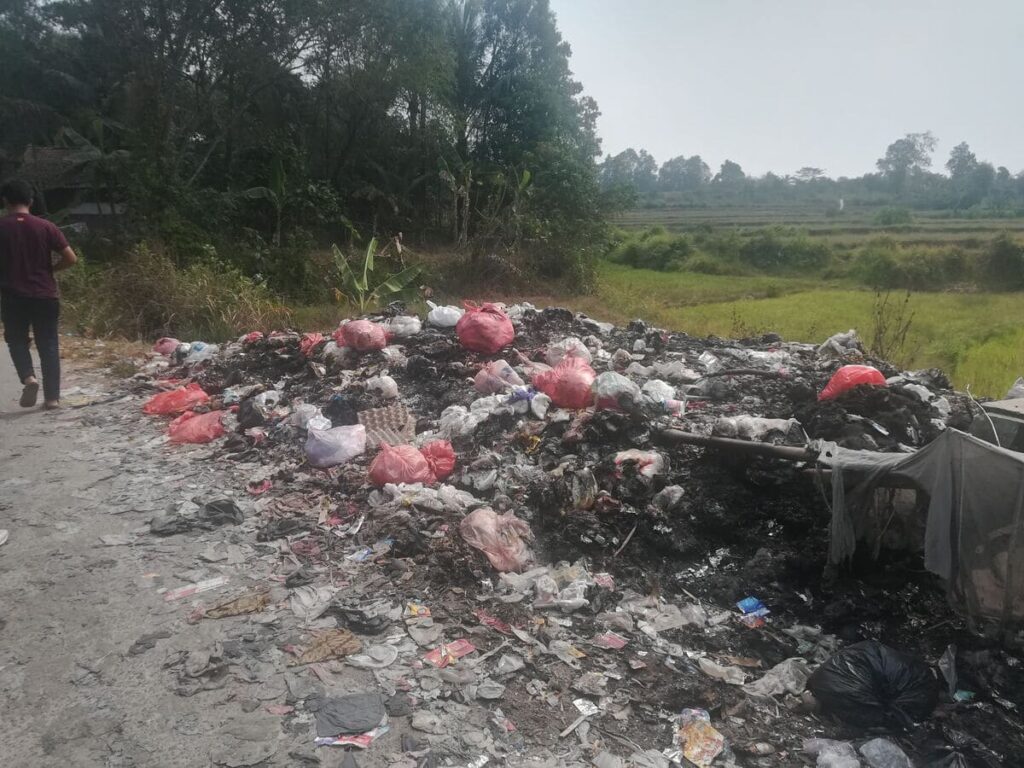
The rivers are covered in household refuse. Nearly everyone disposes of their trash in the nearby stream. Those who don’t, burn it on the street further exacerbating the air pollution.
Behind the scenes, there are no trash sorting mechanisms, a severe lack of waste processing infrastructure, and landfills that are already beyond capacity (so much so that rain causes avalanches, which kill people).
What that means for tourists is the feeling of appreciation for trash management, even flawed, in our own countries. Because trash is so omnipresent in Jakarta, it’s hard to enjoy anything else.
Lack of green areas
You may think you can escape the pollution by going to the park… Nope – there aren’t any.
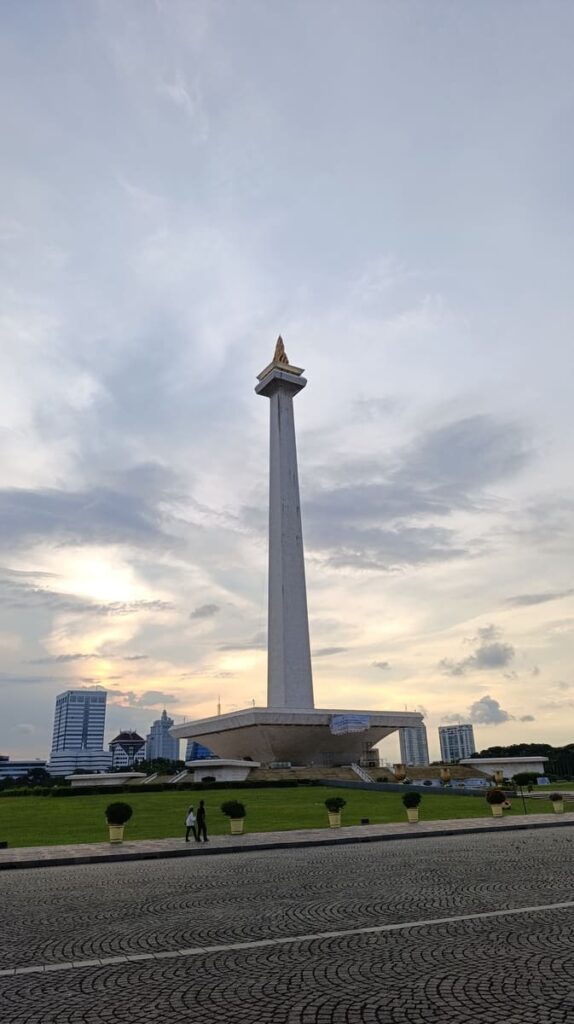
The only green areas in downtown Jakarta are the small patches of trees within MONAS, the national monument area in the center of the city. Not only are they less than 30.000 square meters, but also closed after 7 PM.
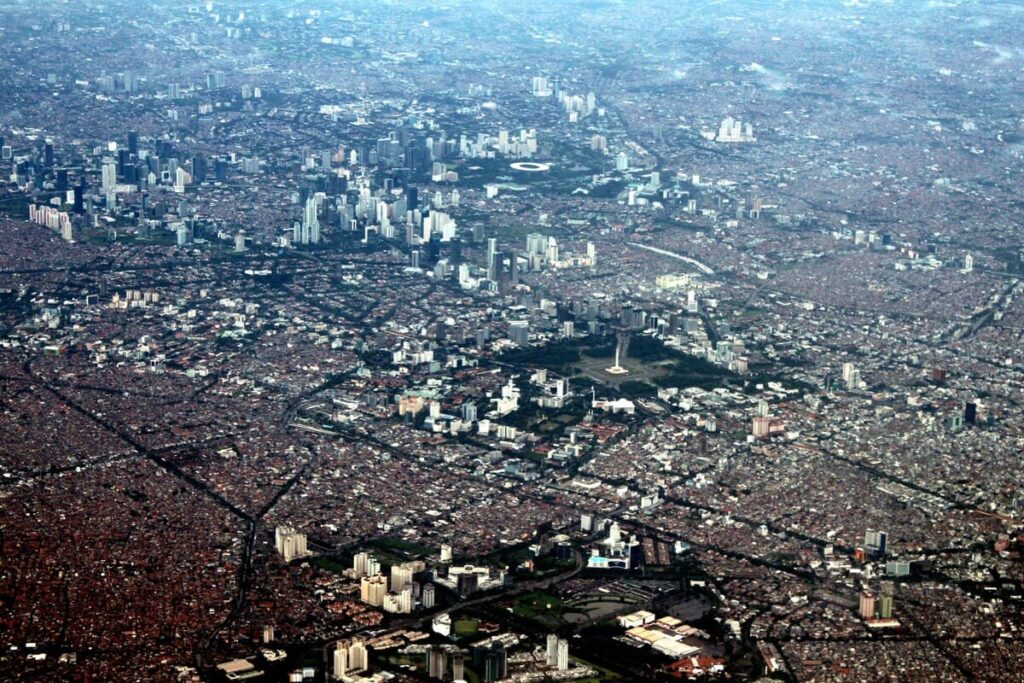
You can open Google Maps and note the green areas… half of them are golf courses. Another quarter is cemeteries. The rest are stadiums. It’s absolutely ridiculous that a city of 10 million doesn’t have a single park.
Places like Suropati “park”, Menteng “Park”, Tanguban Perahu “Park”, Tebet Eco “Park”, etc., cannot truly be called parks – they are barely 100 meters wide! Yeah, I guess the last one (Tebet) is alright for a walk…of about 15 minutes, tops.
Unpleasant to walk
At this point, it’s quite clear that Jakarta is not a walkable city. It’s built around cars (even this is questionable, actually), not for pedestrians.
Most streets don’t have sidewalks. You will share the road with all vehicles.
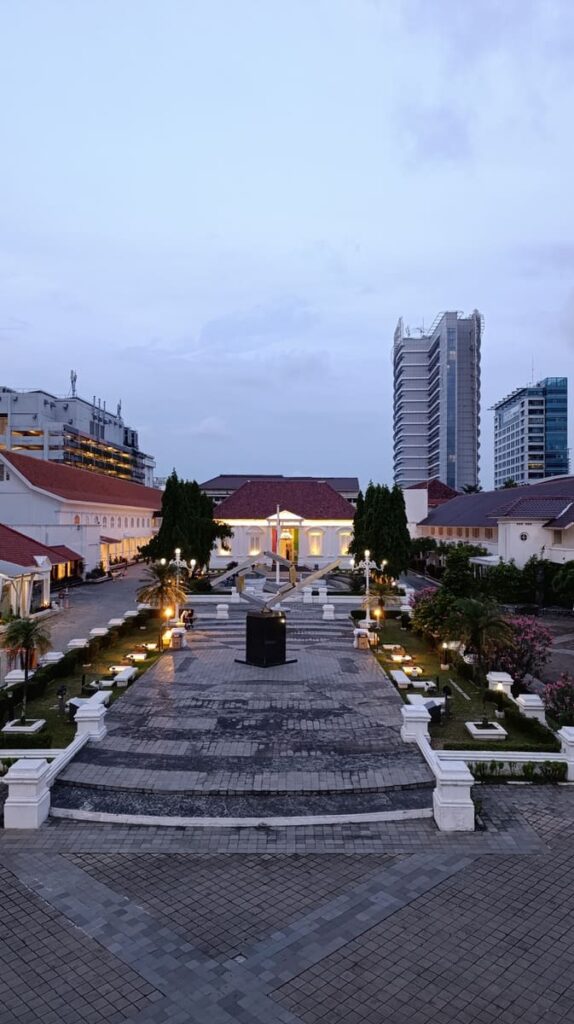
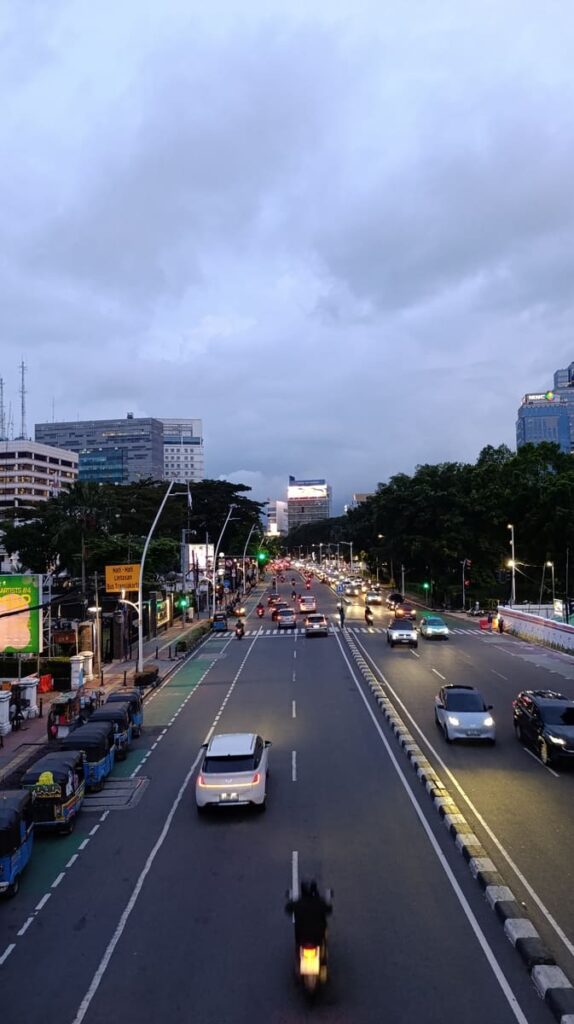
The few pavements that exist are in ruinous condition. Half taken by trees, the other half broken. Debris everywhere. I wouldn’t be surprised if Syria had better pavements than Jakarta.
A few are just barely walkable. Guess what – you’re not safe there either, because there’s always a motorcyclist or two who want to cut in front of traffic and use the little space where they are not supposed to be. And somehow make you feel bad for not giving them the right of way quickly enough.
What you may think is worthwhile but isn’t
Jakarta’s the capital, right? The cultural center, the melting pot of Indonesia. It should have some legacy, some notable history, or at least noteworthy museums that have gathered artifacts of the traditions, heritage, and lifestyle of the hundreds of ethnic groups throughout the archipelago, right?
Well, the city’s certainly trying, but the results are underwhelming at best.
Museums
By this point, I have been to 7 museums in Jakarta. Only one was worth the time – the Museum Bank Indonesia.
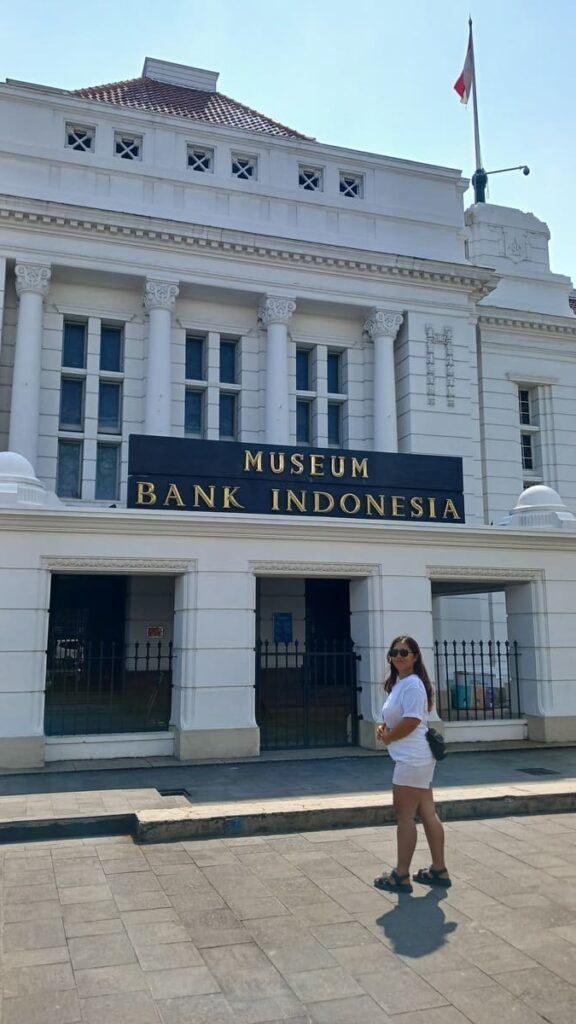
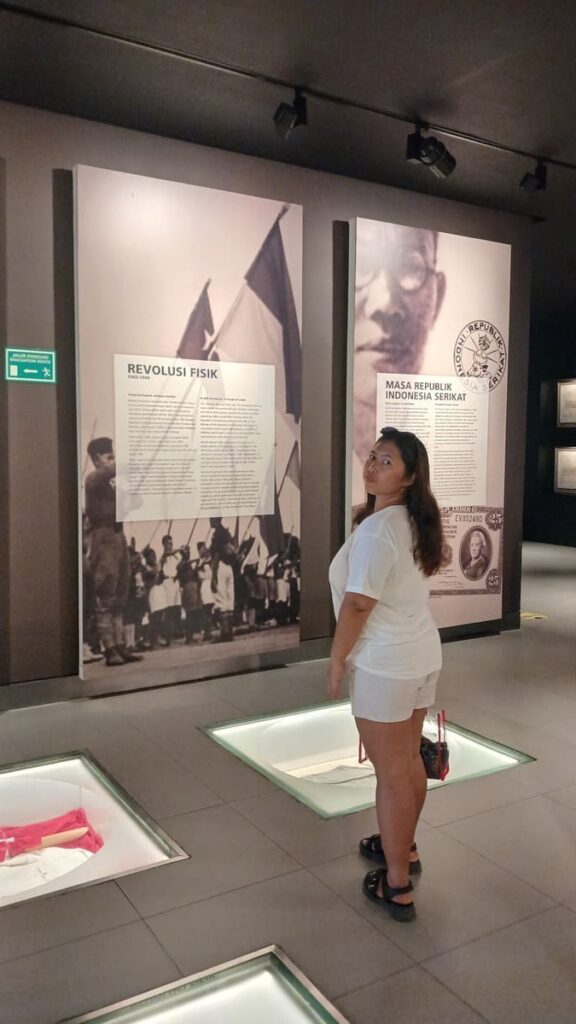
See, it’s not even about scale. Museums in Indonesia are done badly. These in Jakarta – disappointingly so.
Even the neighboring small and young country of Timor Leste managed to create an awesome museum in Dili to showcase the nation’s struggle. It is possible to curate an enlightening experience without millions.
But no, Jakarta museums are either three-quarters empty, decrepit, or haphazardly put together without any thought or information (seldom in English, often little in Indonesian either). All this while charging foreigners double or triple the price.
Take the National Museum, which should be the pinnacle of museum experiences in Indonesia.
You are welcomed by Buddhist and Hindu statues, which carry enormous significance for the history, development, and religious syncretism of Indonesia. However, they are randomly put in the garden without a route, without a chain or link to show you what role they played together in the life of the ancient Javanese. The descriptions lack any indication of their significance or how they connect.
Further inside, things become even more disappointing: huge halls left mostly empty, with little thought put into the message the exhibits send. A map of Indonesia with its many peoples, then prehistoric skulls, then food and spices (?!?)…
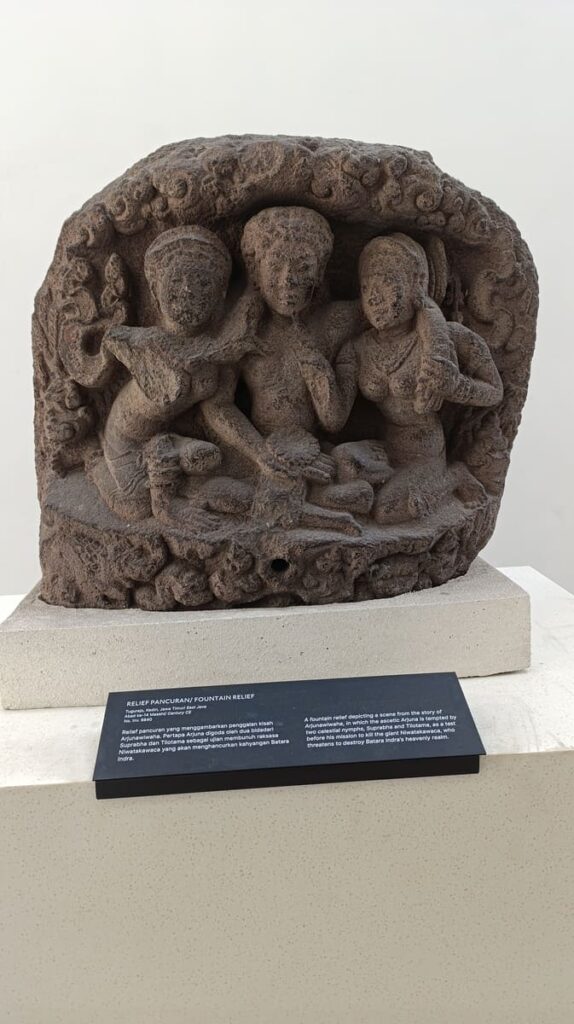
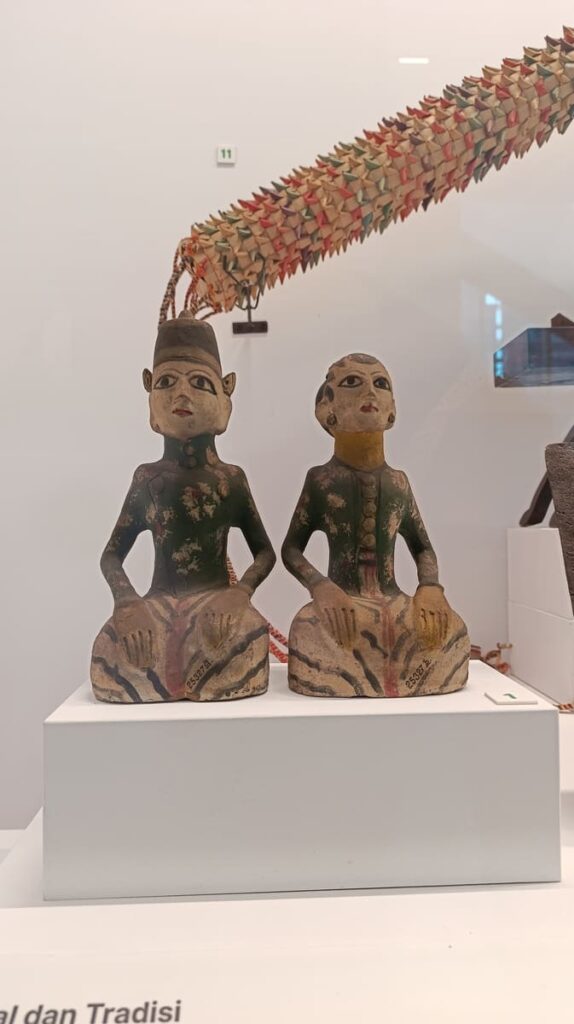
The museum boasts nearly 200.000 exhibits – where are they? In the halls, one can see barely 300. With such a layered history and so much to describe and talk about, all the Indonesian National Museum can offer is a few statues and 3 prehistoric skulls. Hire a new curator, please.
Then there is a tacky AI facial recognition section, which doesn’t fit at all inside the museum, and you have to pay extra for anyway. It’s within an otherwise empty hall of about 2500 sq. m., which could display hundreds of artifacts, but instead, there are just 7 traditional masks. Yup, a museum hall big enough for a concert has just 7 items.
With so little to see and learn, the museum also dares to offer additional paid exhibitions… Thanks, but after feeling like I threw the entrance fee of 50.000 IDR (not that much to be honest) down the drain, I’d rather not.
Other museums I have visited were not any better. There may be some out there that others may find worthwhile, but for me, museums in Jakarta are no longer a go.
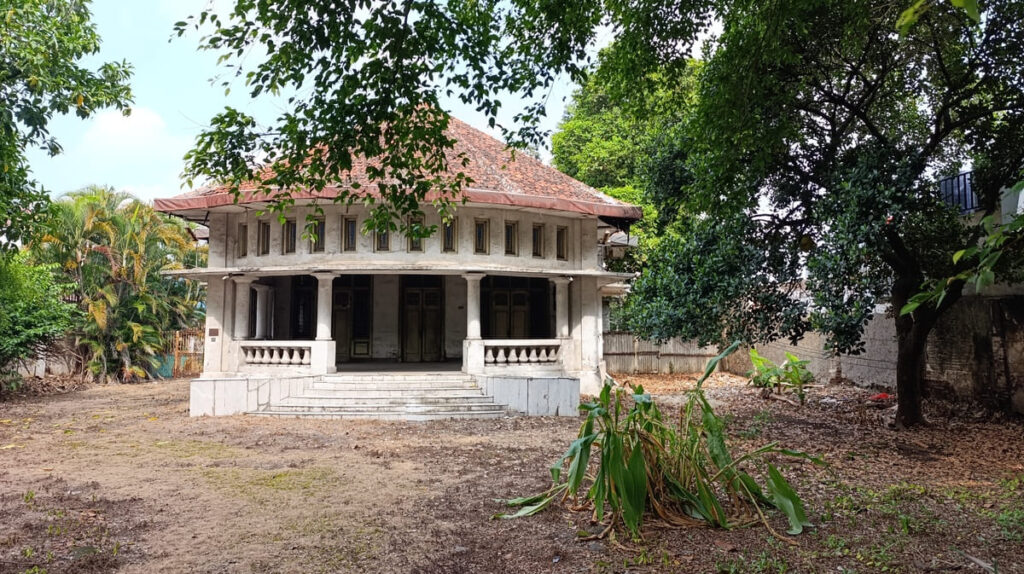
Kota Tua
Kota Tua literally means “Old Town”. It is the part of the city that 4 centuries ago was known to the world as the Jewel of Asia.
Jewels may not change much over centuries, but leave any man-made building without maintenance for 400 years, and it can no longer be called a jewel.
Throughout the 20th century, various facilities were destroyed for one reason or another:
- Amsterdam Gate: demolished to widen the road.
- Batavia Tram: decommissioned and covered by asphalt… to make a new road.
- Batavia Fortress: Destroyed.
Many of the buildings that remain are quite visibly not taken care of. At all. Blackened walls, missing tiles, open gutters, broken windows…
Anyone describing this place as “vibrant” (and there are quite a lot who do) should be publicly reprimanded while reading the word’s definition on Taman Fatahillah. Which is the only place in Kota Tua not overtaken by vehicles…
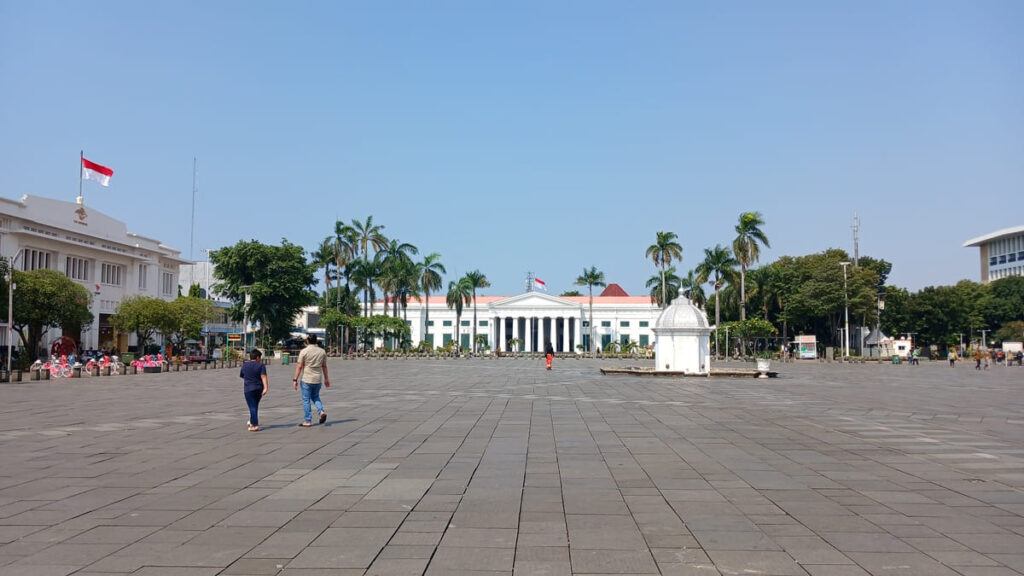
This area’s nickname is the Museum Quarter – they are the main attraction. Well… check the section above for my opinion about museums in Jakarta.
What is kind of good, but then again…
Find the good side in everything, right? Well, let’s!
Food
Jakarta is a food paradise. You can find any, and I mean absolutely any type of food in the city.
When it comes to Indonesian flavors, the availability is astounding. Many different people have moved to Jakarta, bringing their cuisines and culinary know-how. See, this is a perfect opportunity to use the descriptive adjective “vibrant”.
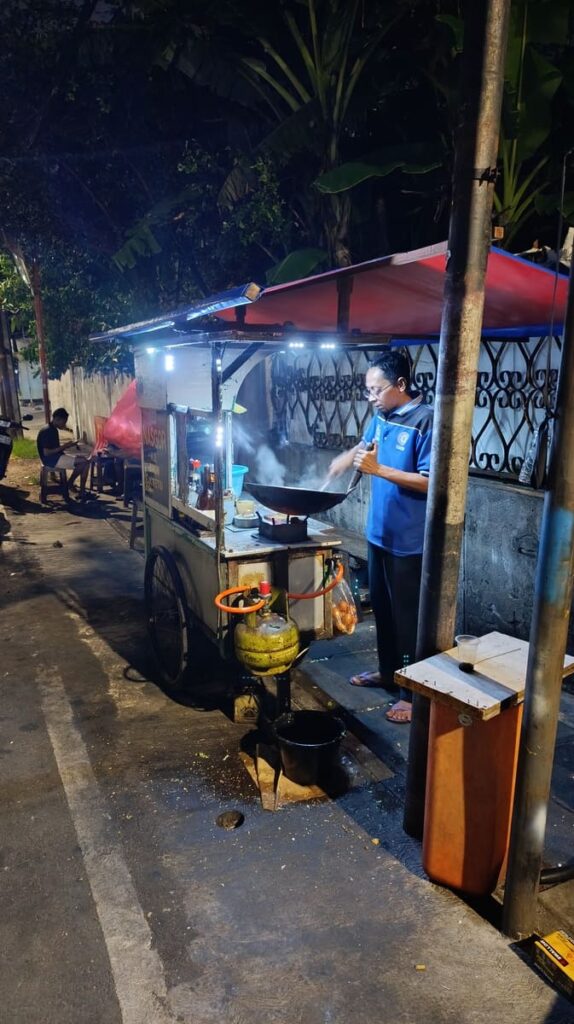
You are reading a negative article, though. I am being a hater, so here are two big “buts” with the food in Jakarta:
- Finding unique or good food is not as easy. Just because it exists somewhere doesn’t mean that food everywhere is good. Nor does it mean that you can find what you’re looking for, especially in terms of rarer food options.
- Food in Indonesia, in general, is pretty good. You can just as easily find great food in any other city in Java or other islands. Yes, theoretically, the variety won’t be as large, but the quality is usually quite high, flavor-wise at least.
What I’m saying is that going to Jakarta just for food may not be as worth it as it seems. You are better off going anywhere else and still enjoying the good local cuisine.
Malls
A lot of social life in Jakarta happens in malls. Since there are no parks, and the city is held hostage by cars, can you really blame people?
Malls range in quality from run-down, glorified flea markets to world-class luxury shopping arcades and emporiums.
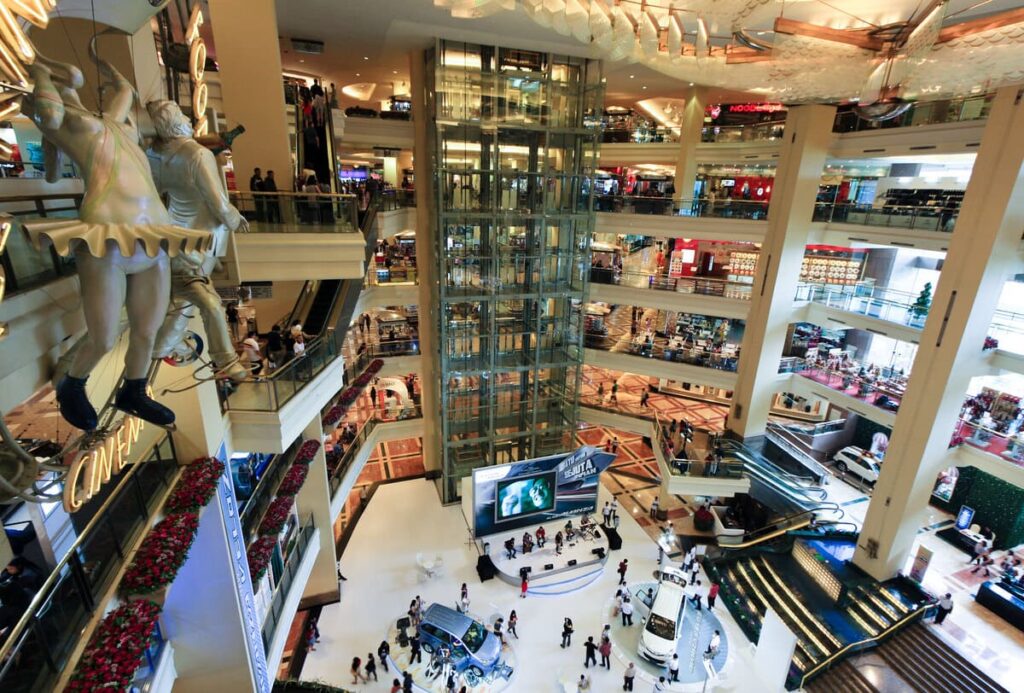
My issue is not with that. As a matter of fact, I don’t have an issue with malls. Malls are great when the outside is so unpleasant.
However, can a mall be a tourist attraction? Is the availability of shopping centers an asset that can make a city worth a visit? Not for me, it isn’t.
If Jakarta’s a no-go, where to go instead?
Jakarta may be hard to skip due to its major and well-connected airport. You may still have to stay a day or two between flights.
Especially if you’re a first-time visitor, certainly go check out what a failed city looks like. Travel can’t be only about positive experiences – how would you contrast places if that were the case?
Nonetheless, leave as soon as possible.
Go to Bandung by train. Visit Tangkuban Perahu and/or Kawah Putih, or go strawberry picking in the countryside.
Take the train (or fly) to Yogyakarta. You will struggle to fit everything notable within 3 days there. Check out the largest Buddhist temple in the world, Borobudur, and the even more impressive ancient Hindu complex of Prambanan.
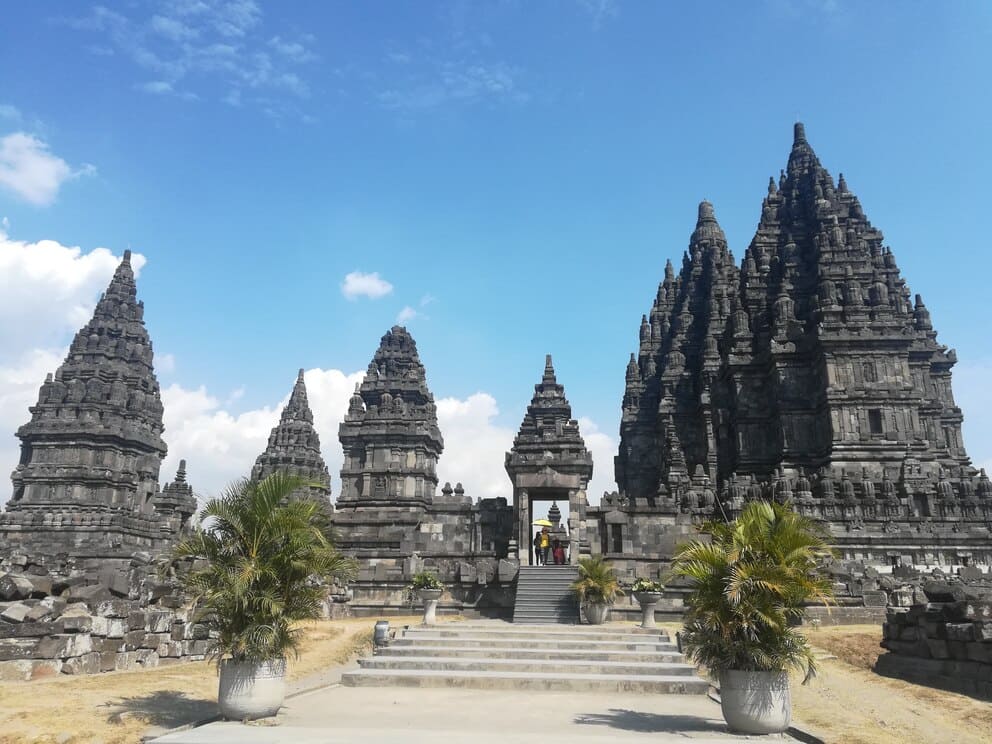
Fly or take the train to Surabaya, then quickly make your way to Mount Bromo, where the sunset is absolutely magnificent, and Madakaripura, the highest waterfall in Java.
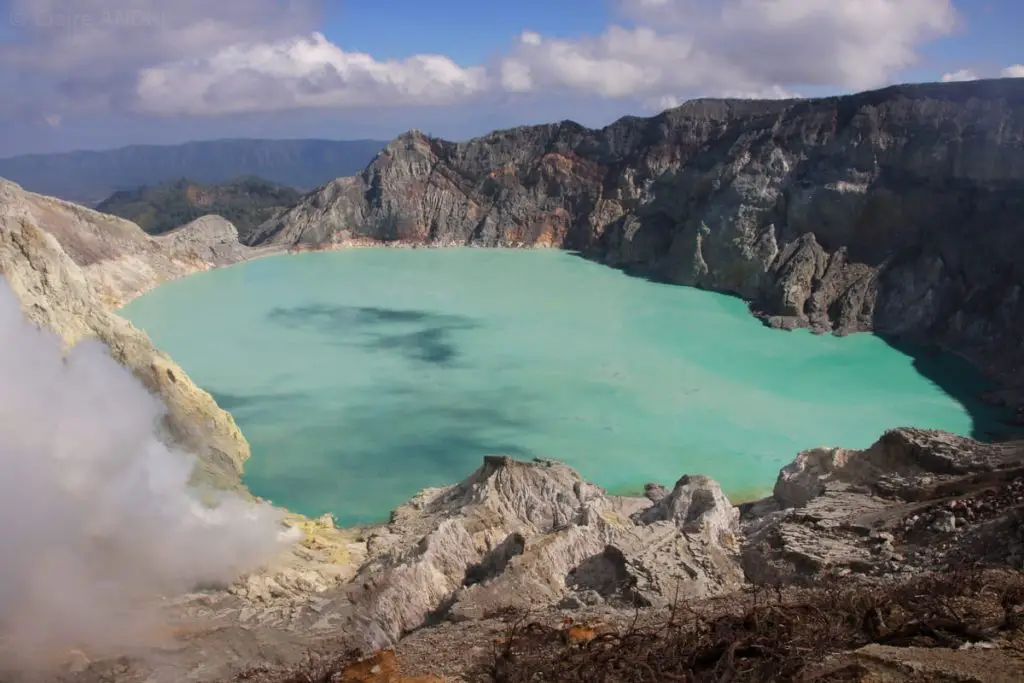
At that point, Tumpak Sewu, an exhilarating waterfall in a canyon, is not that far. Neither is the one-of-a-kind Kawah Ijen, famous for its blue flame and aquamarine acidic crater lake.
Or fly straight to Bali. The Island of the Gods is overrated, but still packs a punch – something for everyone there.
If you’d like a quieter place, go to Lombok. Bali’s little sister offers better beaches, fewer crowds, a gynormous volcano (Gunung Rinjani), and a ton more to discover.
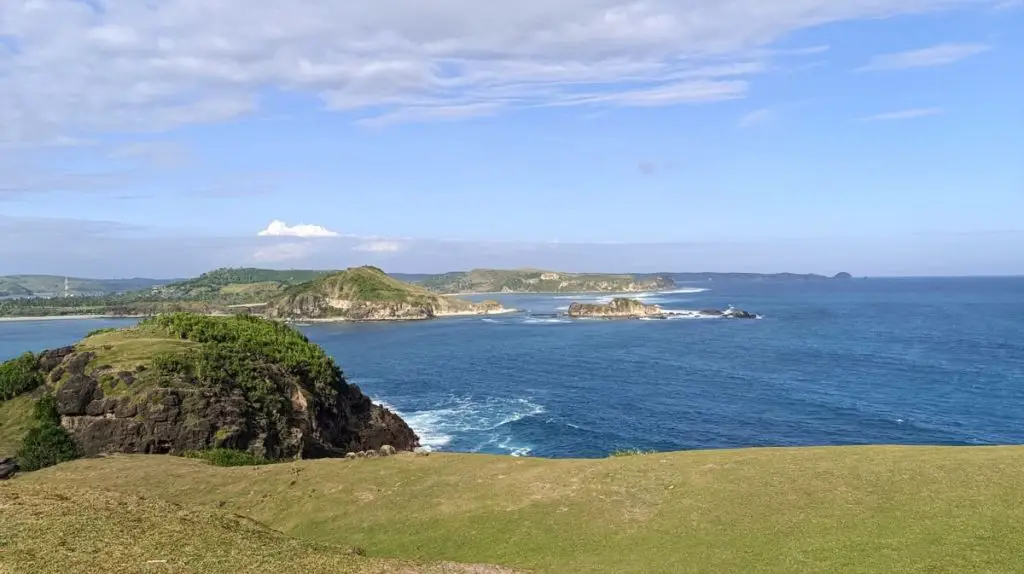
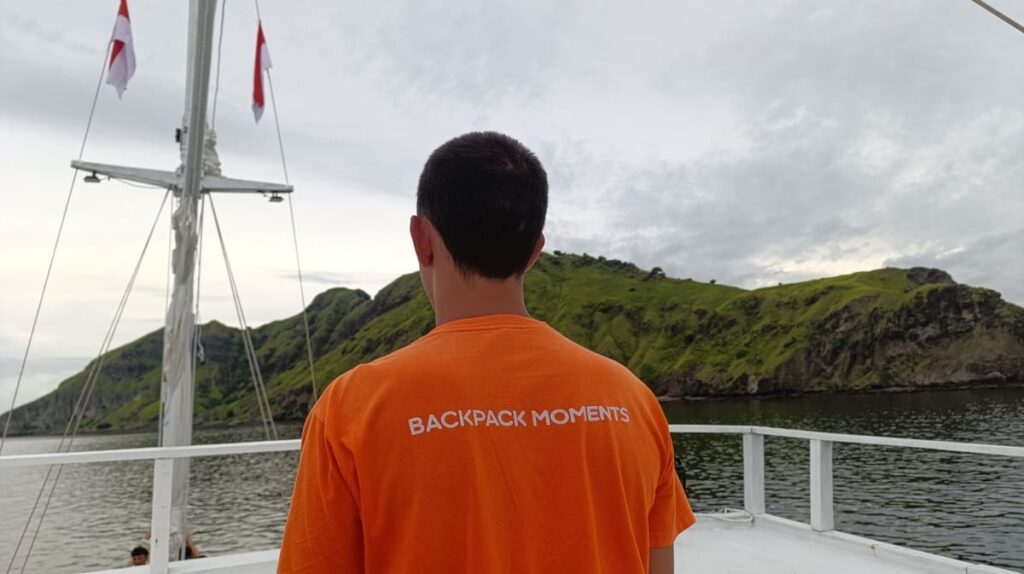
Sail on a traditional Phinisi boat in the Komodo National Park – one of the best experiences in Indonesia.
Or go off the beaten track in Flores. While far and harder to get to, it will reward those who want a glimpse of the more sparsely populated parts of Indonesia and who enjoy slower traveling.
Sulawesi, Sumatra, the Malukus, Raja Ampat, and others await, too.
Basically, treat Jakarta as the Indonesian trampoline – you can get anywhere you want from it, but it’s not a particularly pleasant place to stay put.