Songkran in Thailand: What to Expect and Top Tips
This post may contain affiliate links. If you make a purchase using one of these links, I may receive a small reward at no extra cost to you. See my Disclosure Policy for more information.
Imagine it’s 40°C, walking down the street minding your own business, and suddenly a kid with a bucket the size of a watermelon blasts you with ice-cold water.
You get angry, maybe chase him, and look around for his parents to complain to about his unacceptable behaviour.
Not in Thailand during Songkran.
If this happened there and then, you’d laugh, then he’d laugh too. An old lady with a hose would join in. His parents will pour a bucket of ice-cold water over you.
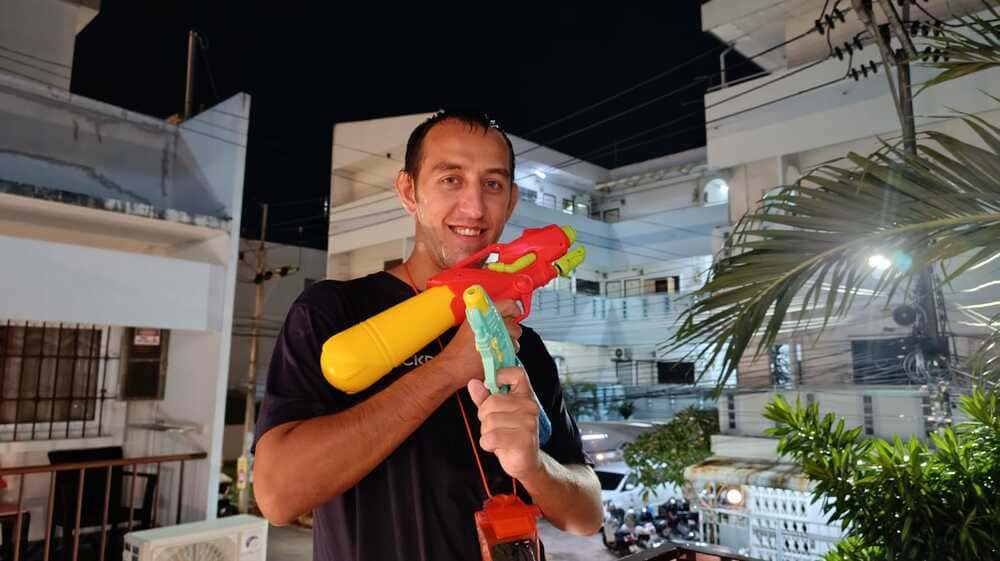
Welcome to Songkran, Thailand’s New Year celebration – and the one time it’s socially acceptable (and encouraged) to soak total strangers on the street.
But what is Songkran, really? Is it just a water fight gone wild? A cultural ritual? A tourist trap?
Or maybe… a little bit of everything.
What is Songkran?
Songkran is Thailand’s traditional New Year, celebrated every year from April 13 to 15. Songkran no longer coincides with the Full Moon as it did traditionally, so the dates are fixed every year.
It’s rooted in Buddhist tradition, and originally, it was a quiet, respectful time when families gathered, cleaned their homes, and poured water over elders’ hands and Buddha statues as a symbol of renewal.
Fast-forward a few centuries, add heat, tourists, and Super Soakers (the high-power water guns), and you’ve got today’s version: a wild mash-up of tradition and chaos.
Whereas temples still host peaceful ceremonies and monks still receive morning alms, regular people embrace the water fights a lot more than they do the religious rituals. Can you blame them?
Streets of Thai cities during Songkran are bonkers. It’s madness. A full-on water warfare. I’m not even exaggerating!
What to Expect During Songkran
If this is your first Songkran in Thailand, prepare yourself – mentally, spiritually (well, not so much – read above), and waterproofly.
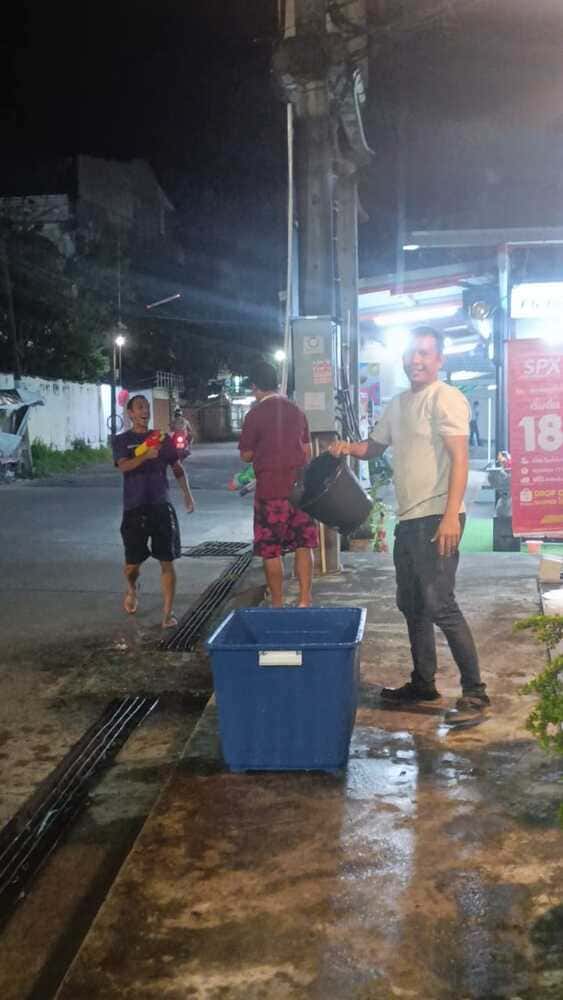
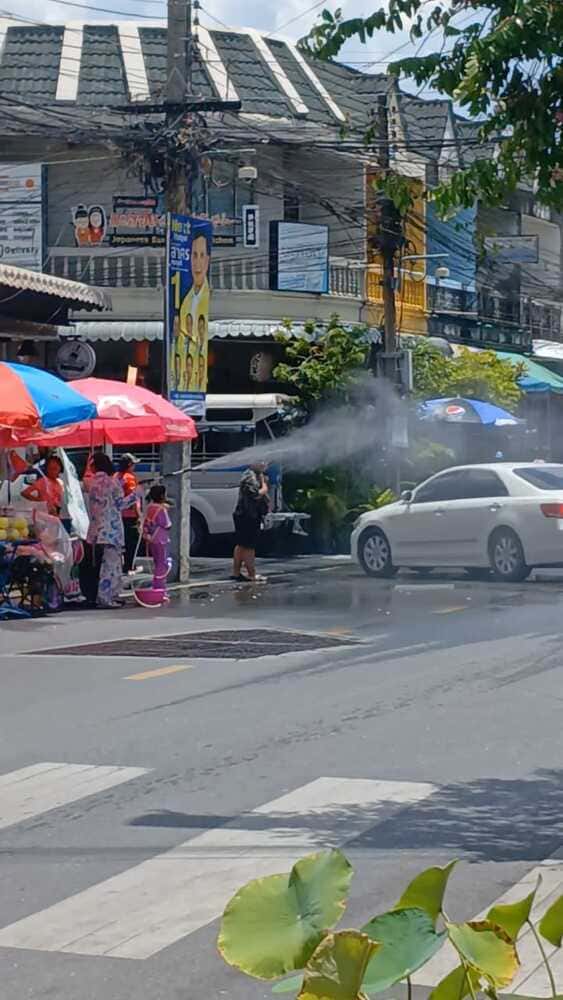
Water. So much water.
The streets become splash zones. Cities like Bangkok, Chiang Mai, and Phuket go full festival mode, shutting down roads for parades, music, and city-wide water fights.
Picture thousands of people armed with water guns, hoses, and buckets. It’s not just a little splash on the cheek – it’s you-just-stepped-into-a-waterfall wet.
If we’re talking traditional etiquette, water pouring/spraying/drenching should only happen during sunlight hours, but my experience has been the opposite – these days it happens almost exclusively at evening-time street parties.
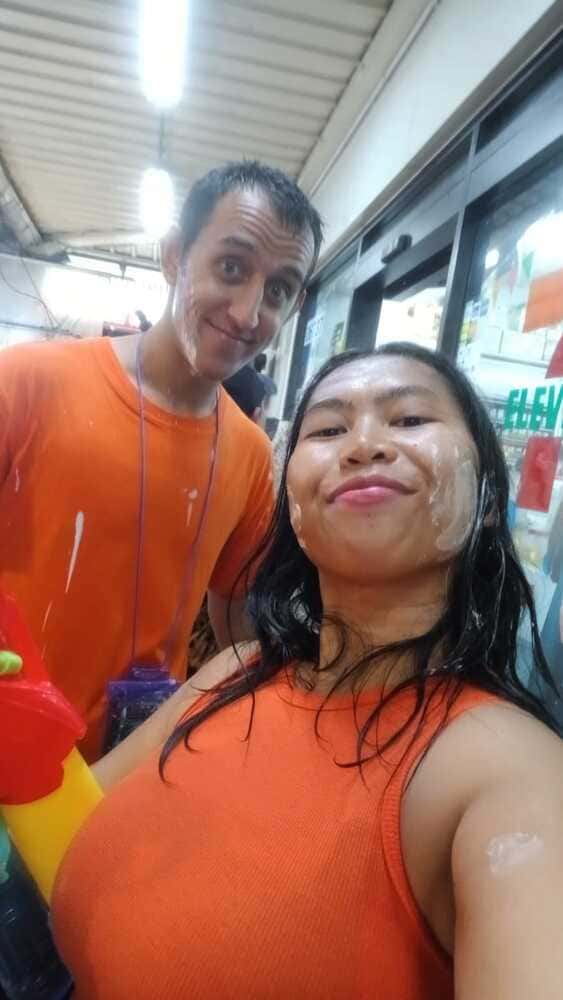
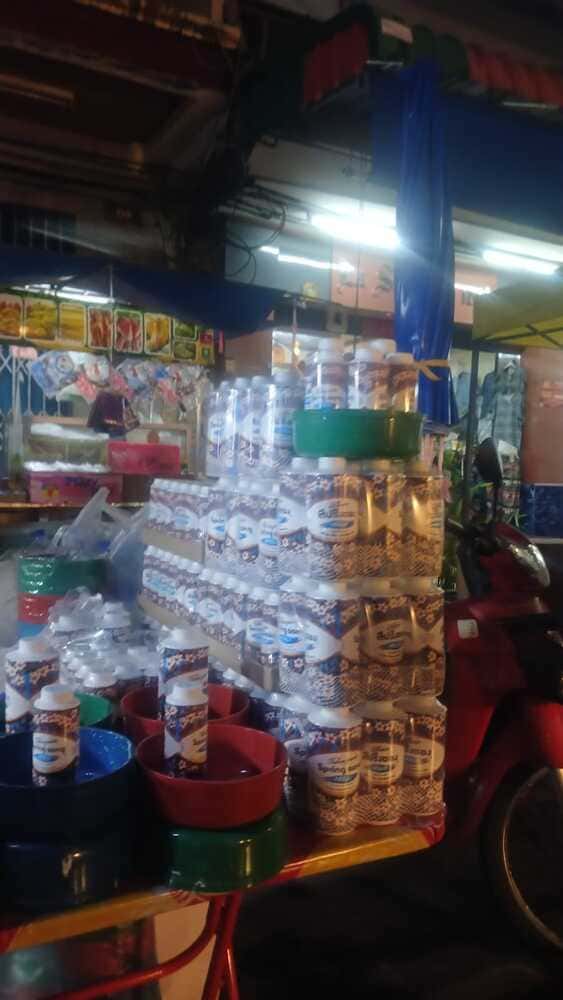
Expect talc
During Songkran, people mix talc with water and smear it on each other’s cheeks as a blessing. It’s soft and loving… until someone douses you with ice water while you’re not looking.
Do be careful, though – the talc stings if it gets in your eyes! So don’t resist and embrace the tradition. It washes super easily anyway.
Non-stop parties
Expect music, dancing, foam machines, and street food stalls popping up on every corner.
Bars and clubs get in on the fun too, hosting foam parties and Songkran-themed nights.
Cultural traditions
Early mornings are surprisingly peaceful. Locals visit temples, offer food to monks, and build little sand pagodas in temple courtyards.
Or so I’ve been told.
Almsgiving happens any day, regardless if Songkran or not, and so does visiting a temple. But people could be particularly pious during a religious holiday (and Songkran is, above all, a religious holiday), so I assume the incidence is more frequent.
I can attest that there is very little water spraying in the earlier hours of the day, though. Maybe most people are still asleep after last night’s water parties.
If you want to see the real spirit of Songkran, set your alarm and hit the temples before the chaos begins in earnest later on.
Songkran Dress Code: What (Not) to Wear
You’re going to get soaked, and there’s no way around it. No amount of pleading, begging, or negotiating will protect you.
Here’s how to dress like someone who knew what they were signing up for:
- Quick-dry clothing is your best friend. Think gym shorts, lightweight T-shirts, or swimwear. Cotton absorbs water, which is usually near freezing temperature, and will feel cold even in the hot weather.
- Floral shirts are basically the official uniform of Songkran. Bonus points if it’s bright and borderline ugly. If you don’t have one, fret not, as they are sold around every corner. Floral shirts cost around 150 to 200 THB. Learn more about prices and money in Thailand.
- Dark colors = smart. White T-shirts turn transparent, and you don’t want to become a walking wet T-shirt contest. Unless you’re in a more liberal city, super proud of your body, and have zero shame.
- Waterproof footwear: Sandals with grip are ideal. Avoid flip-flops with no tread – you’ll be skating down the street whether you like it or not.
- Waterproof makeup: Either go without or make it waterproof. Self-explanatory, eh?
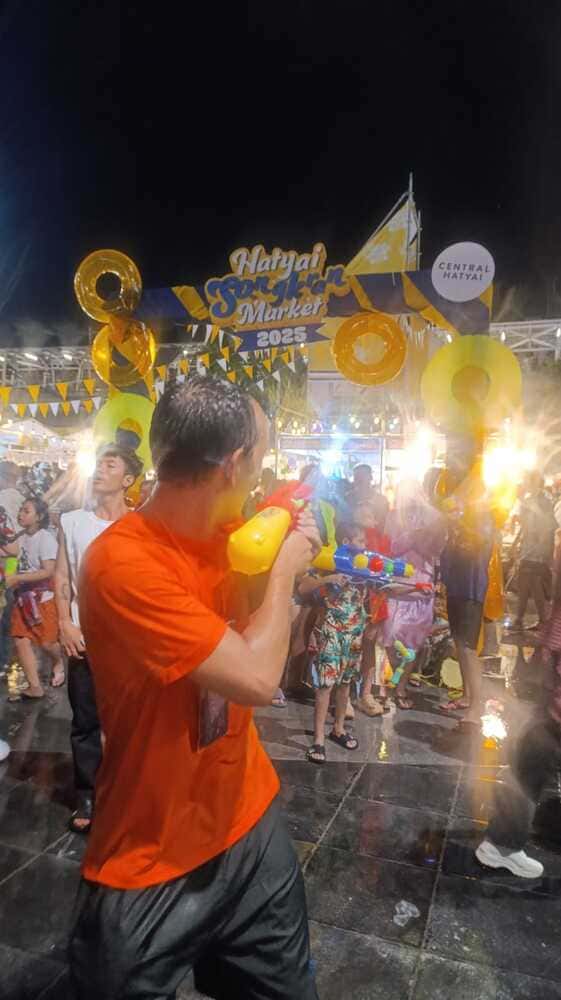
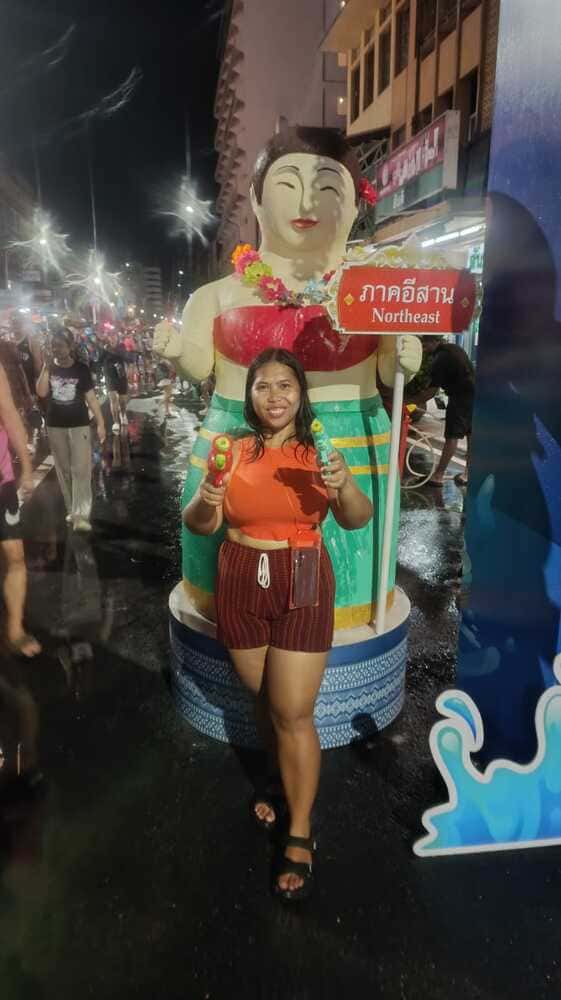
Survival Tips for Songkran
So perhaps the adjective “survival” would make it seem like it’s a dangerous time to be outside. I mean, yeah, it could be, if you’re dumb or not careful (see the 4th tip below), but in general, Thailand is a very safe country, and Songkran is no exception.
Perhaps these are not tips on how to survive but on how to thrive during Songkran. Well, semantics aside, after experiencing a hectic Songkran in Hat Yai, here are my top 9 tips for you.
1. Buy a “manual” water pistol
No need to splurge hundreds of baht on something very fancy (even less so on the near-military-grade rifles).
Just stick to the basics – buy one with a manual trigger, where each pull creates a shot.
The ones with a pump that release a constant stream when the trigger is pulled have very little “oomph” and are harder to aim.
All sorts of plastic water guns are sold at pretty much all stores in the days leading up to Songkran.
2. Bring a waterproof phone pouch
You will 100% regret not having one. These little lifesavers keep your phone and cash dry while you get blasted from every angle. They only cost 20 THB, are sold at every corner, and come in various colors.
Oh, and by the way, Songkran is not the time for fancy cameras – nobody cares, and everybody will spray/splash you regardless. Leave it at home.
3. Plastic eyeglasses
They will allow you to actually see what’s happening around you without the fear of getting hit in the eyes.
Moreover, the high-pressure guns (see below) are truly dangerous!
4. Avoid driving and stay sober if you do
Songkran has another name: The Seven Dangerous Days.
That’s because road accidents spike from drunk driving, coupled with slippery roads and the frequent, surprising buckets of water to the face.
If you’re planning to rent a scooter, just… don’t. At least not this week. During Songkran 2025, over 200 people died in traffic accidents.
Over 250 in 2024. The roads in Thailand are no joke, and Songkran is not the time to test them.
5. Don’t splash monks, babies, the elderly, or anyone who clearly isn’t participating
Songkran is fun, but it’s not a free-for-all. The police at the street parties are usually fair game and mostly embrace the water spirit, but read the room street first.
And yes, you’ll know if someone clearly doesn’t want to be sprayed.
6. Don’t buy the high-pressure guns
These HURT at best and can blind someone at worst.
I feel like there’s a race to the bottom happening with everyone trying to outblast each other. Don’t be part of it. Keep it light, for everyone’s safety and, frankly, for everyone’s fun.
7. Don’t throw water indoors
Thai people often leave their doors open, but that’s not an invitation, not even during Songkran.
8. Don’t use dirty water
Many, waaaay too many, in Chiang Mai are guilty of that by filling their buckets/pistols with water from the moat. That’s the easiest way to get an eye infection.
9. Don’t add ice
Soaked in water in a tropical climate – awesome. Add ice, and it quickly becomes the opposite. It’s just too cold, and there’s no reason for it.
Where’s the Best Place to Experience Songkran?
When people ask, “Where should I go for Songkran?” the usual suspects pop up: Chiang Mai, Bangkok, maybe Phuket.
But honestly, you’d have a lot of fun in a less-touristy place too.
I, for one, spent the last Songkran in Hat Yai.
Wait… Hat Yai?
Not the first city that comes to mind when planning a Thai holiday, right? But that’s exactly why I went. I wanted something more local, less Instagrammed.
And Hat Yai delivered.
I expected a quieter vibe. Maybe some respectful splashing, a few polite floral shirts, and some temple bells ringing in the distance.
What I got was chaotic, high-pressure water warfare on par with anything you’d see in Chiang Mai – just with fewer tourists and more locals wielding the buckets.
It was joyful, loud, wild, and somehow felt more connected to real Thai life than the backpacker hubs.
Is Traveling to Thailand during Songkran Worth it?
Absolutely!
But you must know what you’re getting yourself into.
Songkran is joyful, messy, meaningful, and chaotic all at once. It’s a whole lot of fun.
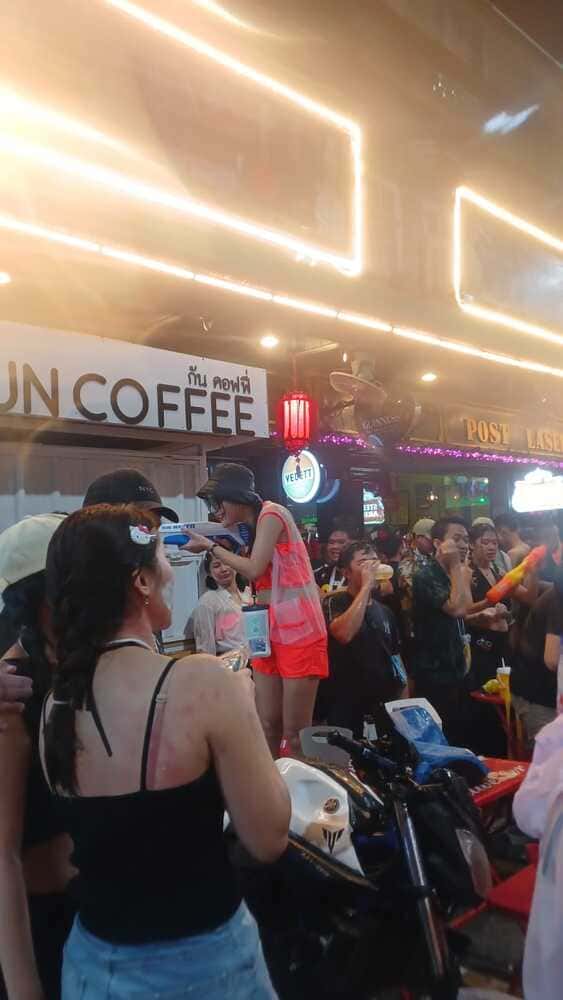
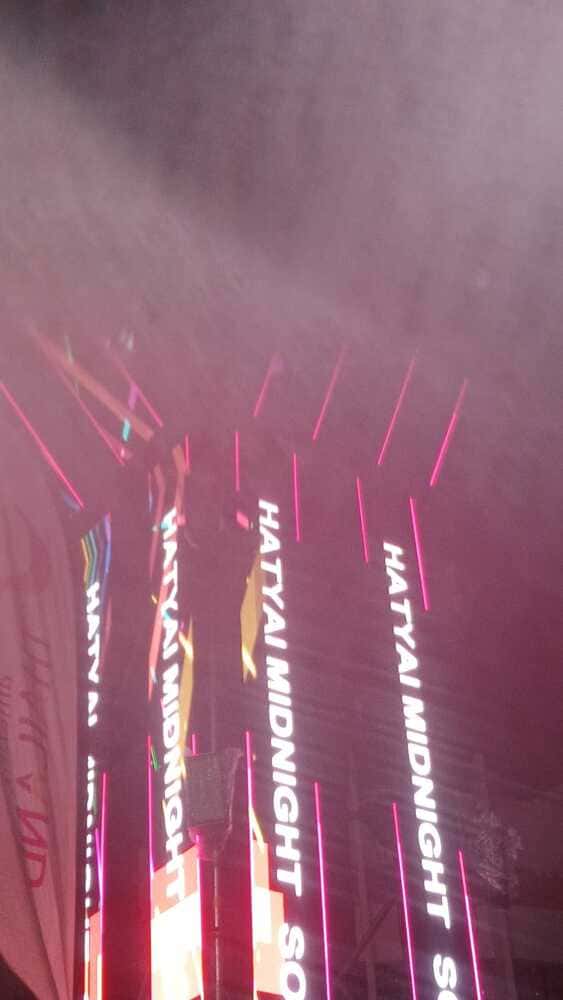
You’ll get to dance in the streets, share laughs with strangers, and experience one of the most unique cultural festivals on the planet.
If you’ve never been to Thailand during Songkran, you might think it’s a charming cultural holiday with a bit of water…Let me stop you right there.
Songkran is an aquatic war zone. Grandmas wield buckets like grenades. Five-year-olds show no mercy. Strangers come at you from all angles – rooftops, sidewalks, pickup trucks loaded with water tanks. The police are in on it, and so are shopkeepers. Nobody is truly neutral in this water war.
Best of all, everybody does it smiling. It’s about having fun. Pure, childlike fun.
Songkran is a water-bucket-list experience and perhaps the best time to visit Thailand!