Money in The Philippines: A Tourist Guide to ATMs, Cards and Exchange
This post may contain affiliate links. If you make a purchase using one of these links, I may receive a small reward at no extra cost to you. See my Disclosure Policy for more information.
If you’re planning to travel to The Philippines and need to wrap your head around the money situation, you’re at the right place.
Here’s everything you need to know about using your card, exchanging money, which ATMs don’t charge access fees, and how to spend the least on fees.
| Best foreign currency to bring | USD, EUR, GBP |
| Where to exchange? | Banks, licensed bureaus in malls (SM, Robinsons) |
| ATMs without a fee | HSBC |
| Can you withdraw USD directly? | No |
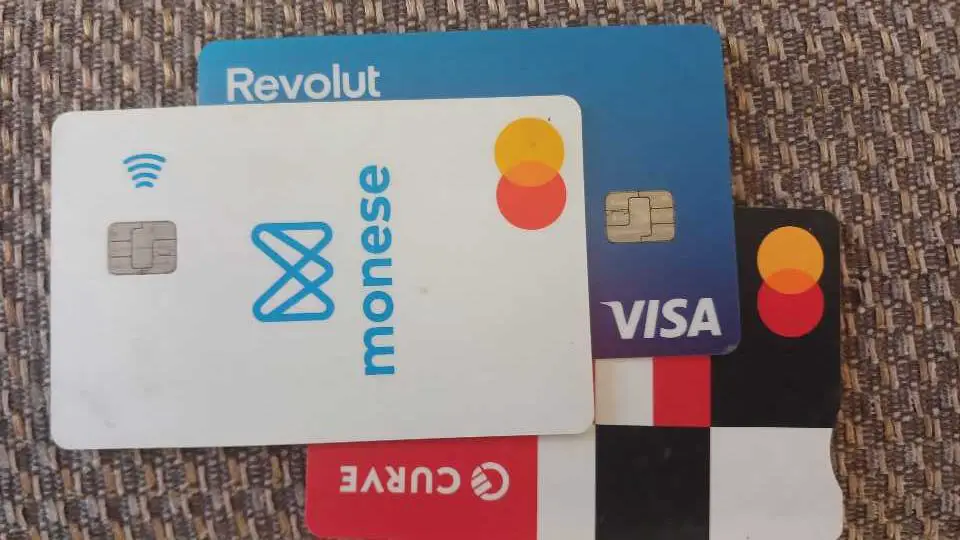
| Can you use Revolut and Wise, etc? | Yes! |
| Cash or card? | Cash in rural areas, cards OK in cities |
This is the full guide to money in the Philippines for tourists!
Currency in the Philippines
The currency in the Philippines is the Philippine peso with code PHP and the symbol ₱.
The Peso is technically divided into 100 centavos, though you’ll rarely see those. Centavo/centimo coins exist (1, 5, and 25 centimos), but nobody uses them as their value is very low.
Common coins are ₱1, ₱5, and ₱10 and are very, very useful on the jeepneys, as getting change on a big banknote is often troublesome there.
Banknotes come in ₱20 up to ₱1,000. These modern, colorful bills are all you’ll need – just note it’s Peso or nothing, no USD, even at tourist spots.
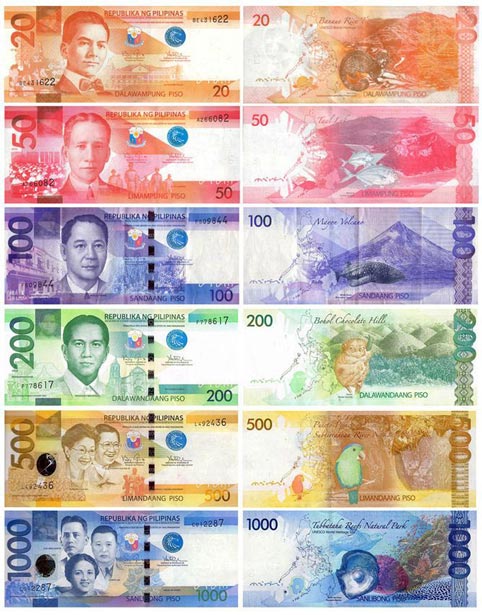
The biggest banknote (1000 pesos) is worth around 17 USD, which means you will need at least a small stack in your wallet. A fun fact is that in size, the peso banknotes are all exactly the same and also identical to the Federal Reserve Dollars.
The peso is a rather stable currency, fluctuating little in the past 15 years. 100 PHP is roughly 1.7 USD, but check the current rate of the day.
The newest PHP banknotes are polymer and have been slowly released into circulation starting in December 2024.
Can you use your card in the Philippines?
Yes, you can use your foreign card to pay for some things in the Philippines.
In cities like Manila, Cebu, and Davao, Visa and Mastercard work in most places, such as hotels, restaurants, and shops, though some may add a 2-3% surcharge. American Express is much less commonly accepted.
As usual in the Philippines, cash is still king in rural towns, wet markets, tricycle fares, and small sari-sari stores.
ATMs in the Philippines
ATMs are widespread in urban areas in the Philippines, but rare on remote islands. Touristy islands have ATMs near the market strip, so you won’t have an issue with getting money in most places.
You can only withdraw in the local currency, PHP, so never accept dynamic currency conversion (DCC), which gives a poor rate.
Standard ATM withdrawal limits are ₱10,000-20,000 (~ US$170-340) per transaction.
Withdrawal Fees
Here comes the tricky part – avoiding those pesky ATM withdrawal fees. I’m not talking about the fees you get charged by your bank – those you can avoid by using a FinTech solution like Revolut or Wise.
The common fee for withdrawals using a foreign card in the Philippines is ₱250 (~4.5 USD). Most ATMs will tell you if there’s an access fee, right after you select the amount you want to withdraw. It’s up to you to accept it or reject it and take your card back.
There is only 1 bank whose ATMs don’t charge for withdrawals…
ATMs without withdrawal fees
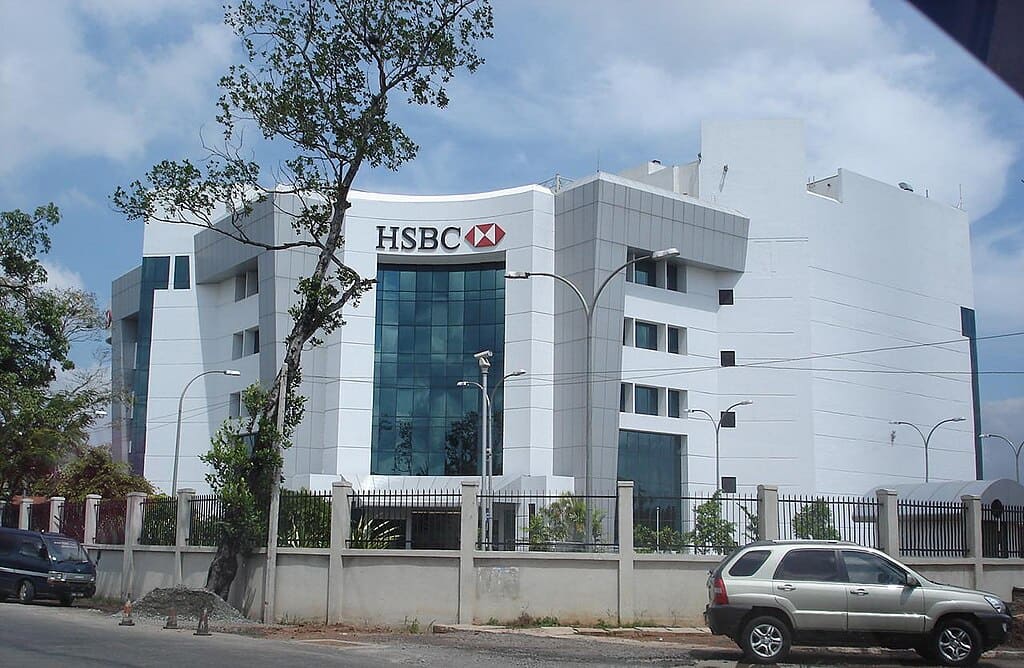
HSBC ATMs are the only ones in the Philippines to not charge a withdrawal fee for foreign cards.
The single transaction limit is ₱40,000 (~700 USD).
That’s a lot of money in the Philippines, enough to last you a few weeks on a budget.
However, if you withdraw that amount, you are likely to incur a fee from your bank. For example, the fee-free ATM withdrawal limit provided by Revolut/Wise is around 200-250 USD on a standard plan.
All other banks charge withdrawal fees at their ATMs. This includes the most popular banks in the country: BDO Unibank, Bank of the Philippine Islands (BPI), Metrobank, Land Bank of the Philippines, and Philippine National Bank (PNB), among others.
The bad news is that HSBC has only a handful of locations in the Philippines. A few in Manila and Cebu, and not more than 1 ATM for other large cities like Angeles, Dagupan, and Davao.
It’s best to withdraw enough money in Manila or Cebu to last you at least 1-2 weeks if you are keen on avoiding the hefty withdrawal fees on other ATMs.
Exchanging Money in the Philippines.
If you have a card with low fees like Revolut or Wise and use HSBC ATMs to withdraw money, you may not need to exchange any money in the Philippines at all.
But if HSBC is not an option, exchanging USD, EUR, or another major currency becomes a better way to get pesos.
So it’s a smart idea to carry some cash when traveling to the Philippines and want to exchange it for the local currency. Here’s how to be prepared.
What currency to bring
As with almost anywhere in the world, the US dollar is the best foreign currency to carry to the Philippines.
You will have no issues exchanging these currencies, too:
- Euro
- British Pound
- Japanese Yen
- Chinese Yuan
- Australian Dollar
- Singaporean Dollar
- Malaysian Ringgit
If your currency is not on the list, it’s better to change your money to something more widely accepted before you come to the Philippines.
Where to Exchange Money
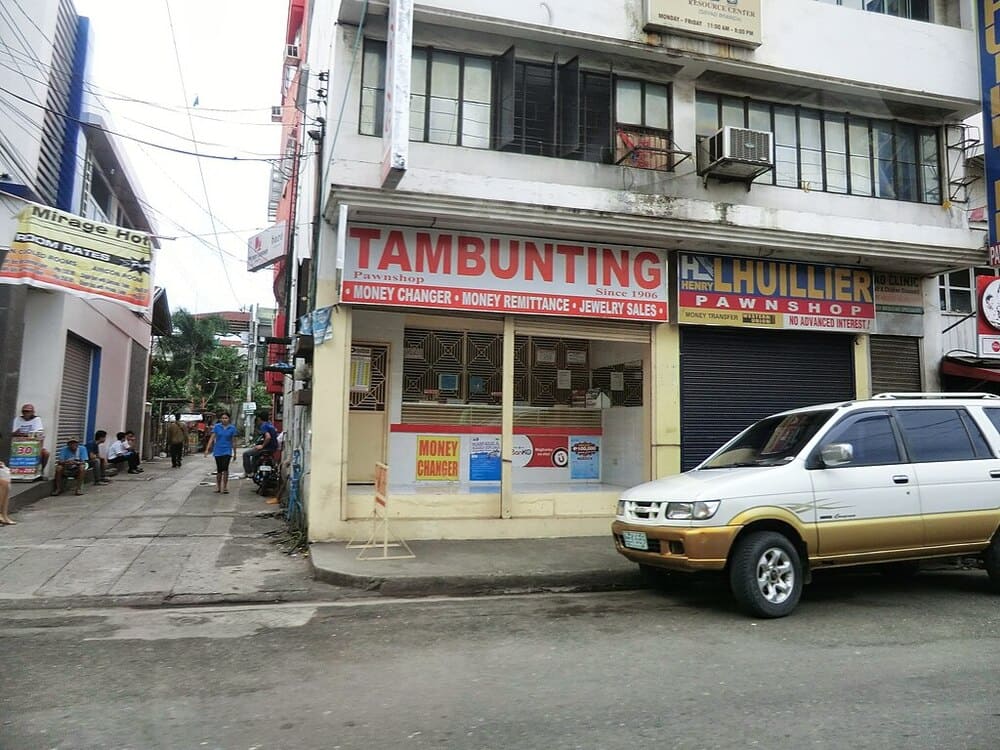
The Philippines is a popular travel destination, and exchanging money is widespread.
You can exchange at:
- Banks: Good rates and no frills, just bring your passport.
- Licenses Money Changers: You can find them in SM or Robinsons malls. They offer very competitive rates, close to the mid-market.
- Airports: The worst rates.
- Hotels: Not as bad as at the airport, but still pretty bad.
- Street dealer: You’re setting yourself up to be scammed. Just don’t.
Tips for Changing Money in the Philippines
Most of these are common sense and not any different from other countries.
Here are my top tips:
- Higher denominations = higher rates. For example, $50 and $100 yield slightly better rates.
- Damaged banknotes = lower rates + fee (if accepted at all).
- Count all cash on the spot, avoid sleight-of-hand errors.
- Don’t accept foreign banknotes with ANY damage (if changing PHP back to USD, for example).
How much cash to bring to the Philippines?
This depends on your way of traveling and your budget. There’s no need to go overboard with physical cash, but it’s still a good idea to have some emergency fund in case something goes wrong with your bank cards and you need emergency cash until you sort it out.
Additionally, if HSBC is not an option, you may consider bringing more USD/EUR to exchange and get money this way. It will be cheaper than paying an ATM withdrawal fee multiple times.
As a rule, exchanging for PHP in the Philippines is much better than in your country.
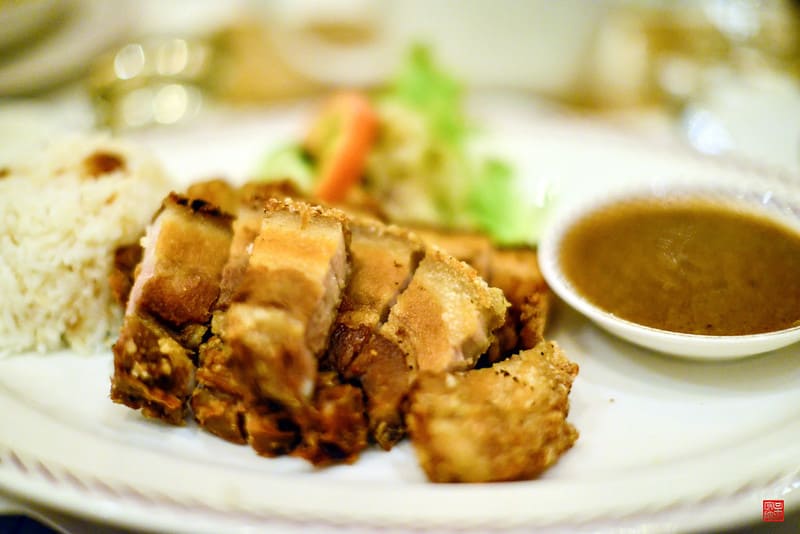
When I went to the Philippines, I exchanged $10 at the airport to reach the city center of Manila, then withdrew from an HSBC ATM. I had extra USD stashed away but never needed to exchange it.
Example prices
Here are some example prices to get an idea of how much money you need in the Philippines.
- Street meal: ₱80–150 (~$1.50–3)
- Local bus: ₱10–50 (~$0.20–1)
- Island ferries: A very rough estimate is ₱300 per hour for short rides (e.g., Bacolod <-> Cebu) and as low as ₱60 per hour for long-distance ferries (e.g., Manila <-> Cagayan de Oro). These vary a lot by season, too.
- Overland bus travel: ~2 PHP per kilometer of travel for longer journeys.
- Hostel dorm bed: ₱400-800 (~$8-16)
- Mid-range hotel: ₱1,200-2,500 (~$24-50)
- Day tours: ₱1,500-5,000 (~$30-100)
- Travel Insurance from SafetyWing (covers you in the Philippines): ~56 USD for a 1-month trip.
Bargaining
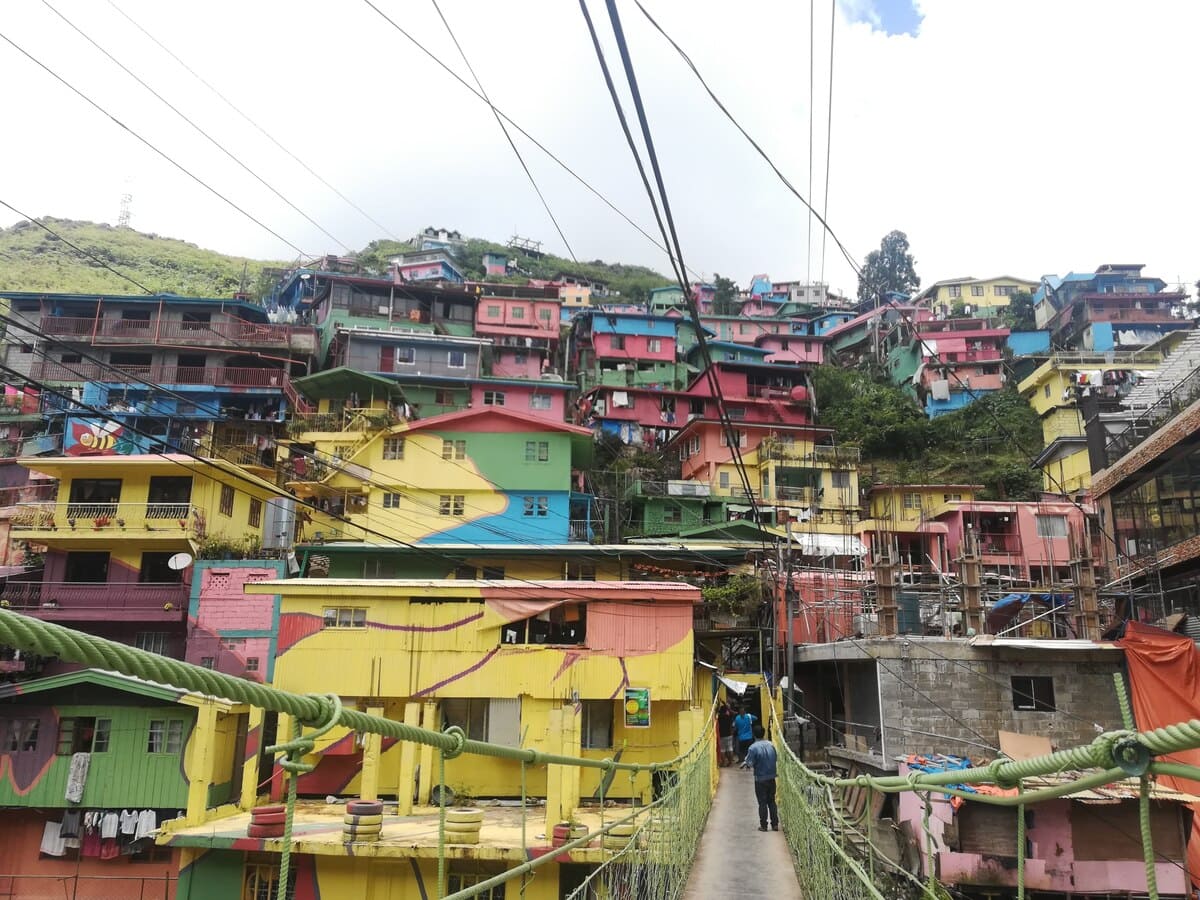
Bargaining is important in the Philippines. Haggling is standard for taxis, tricycle rides, boat fares, and market goods.
Start by countering at 50-70% of the asking price and meet somewhere in the middle. Remember that haggling is as much about the money as it is about the experience.
Having fun while doing it is important both for you and for the vendor. You’re more likely to get a better discount if you are fun and lighthearted. It’s part of the fun – bartering can be a travel highlight!
Never haggle in supermarkets, hotels, or official tours.
Tipping
Tipping is not mandatory in the Philippines.
While it isn’t expected, it’s always appreciated. If you encounter genuinely friendly staff, exceptional service, and are overall happy with the way you were treated/pampered, do tip. It will bring smiles and good fortune your way!
Consider tipping:
- ₱20–50 for guides/porters.
- ~10% in sit-down restaurants unless there is already a service charge.
- Rounding up taxi fares
Frequently Asked Questions
Let’s answer some of your most burning questions about money in the Philippines.
What is the ATM withdrawal limit in the Philippines?
Most ATMs let you withdraw ₱10,000-20,000 (~US$170-340) at a time. HSBC ATMs are best in this regard too: you can withdraw up to ₱40,000 in a single transaction and incur no fee too!
Can you use US dollars in the Philippines?
A few tourist shops and tour operators may accept USD, but the exchange rate is poor. Always pay in PHP.
Can you use Revolut in the Philippines?
Yes, Revolut cards work in the Philippines. Both VISA and Mastercard work. You can withdraw from ATMs and pay at POS terminals with your Revolut card.
Be mindful of your plan’s limits – check in the app if unsure.
Can you use Wise in the Philippines?
Yes, you can! Wise normally offers better exchange rates than Revolut, but charges a small fee for it. All in all, it will cost you less, all other things being equal.
Best ATM for travelers?
HSBC ATMs are the only ones to not charge a withdrawal fee for foreign cards, but have limited locations. If you don’t have to travel much to reach them, they are worth using to avoid the high 250 PHP fee on other ATMs.
If you are going to other Southeast Asian countries, you may want to read my money guides for them too: