Thailand vs. Vietnam: Which One Suits You?
This post may contain affiliate links. If you make a purchase using one of these links, I may receive a small reward at no extra cost to you. See my Disclosure Policy for more information.
Thailand or Vietnam, showdown in 3, 2, 1…
Fortunately, it’s not that simple. Those are two countries that are so close, yet deliver very different travel experiences.
So instead of (just) ranking them on beaches or street food, let’s make it personal.
Because the better question isn’t “which is better?” – it’s “which one suits you?”
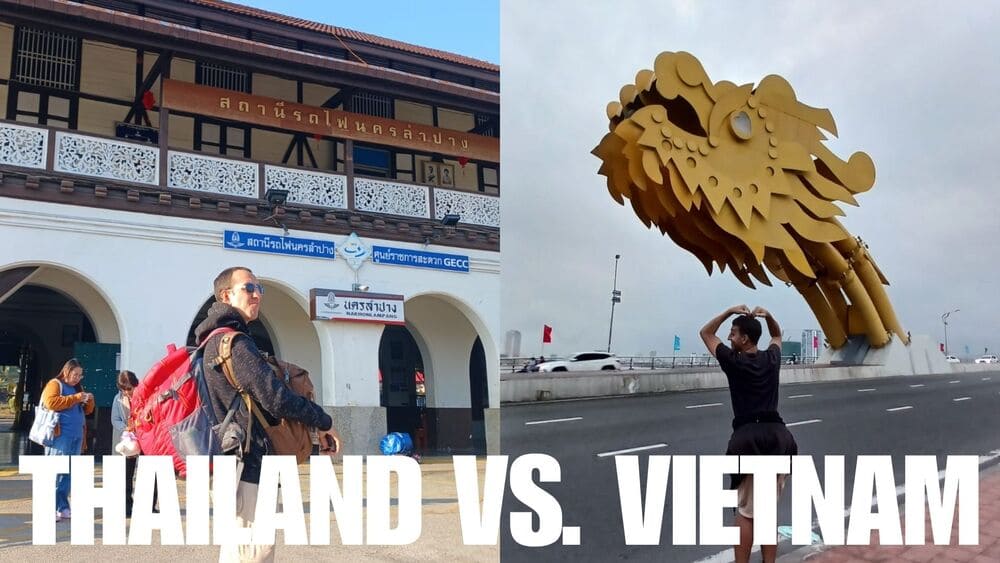
After spending a combined 4+ months in Vietnam and 8+ months in Thailand, I may not be an in-depth expert, but I can certainly share my impressions of the general vibe of each country.
Moreover, I have traveled in various capacities, including as a backpacker, slow traveler, adventurer, beach bum, and digital nomad, and I have experienced both Thailand and Vietnam from multiple perspectives.
I will break down my comparison by traveler type so you can see where you belong: Thailand’s polished chaos or Vietnam’s raw rhythm.
For the Classic 10-14 Day Holidaymaker
TL;DR: Thailand edges a slight victory for short holidays.
Most people don’t have months off work to travel in Southeast Asia. If you’ve only got a week or so, fly 10+ hours each way to the other side of the world, then your destination needs to deliver maximum payoff with minimum effort.
Thailand makes that easy. You can land in Bangkok, spend a night among temples and rooftop bars, then hop on a short flight to the beaches of Krabi, Phuket, or Koh Samui.
My first trip to Thailand was about a week – 2 days in Bangkok, a short flight, and 3 more days in Chiang Mai, then back to the capital and trips to Kanchanaburi and Ayutthaya. On my second visit (also a short one), I added Hua Hin and Lop Buri. My point is, if beaches and tropical islands aren’t your thing, there are plenty of interesting places inland, too.
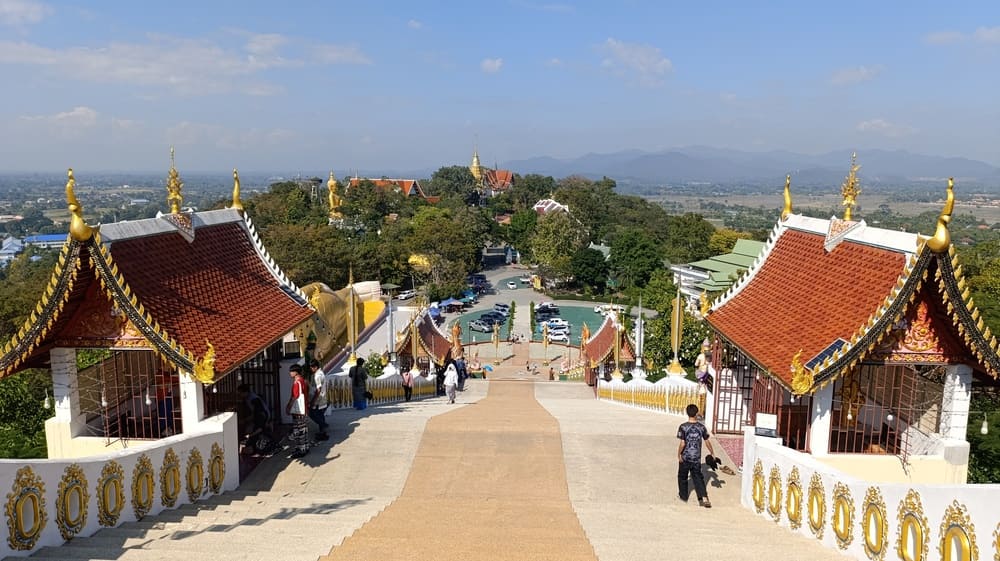
Thai infrastructure is built for convenience:
- Quick transfers.
- Relatively easy navigation and well-trodden routes.
- Endless accommodation options.
- The weather rarely ruins plans (unless you go in the rainy season).
Thailand is just easy to travel.
Vietnam, meanwhile, rewards a bit more planning. The geography stretches thin, literally.
Covering both north and south in ten days means time on planes or overnight trains. That said, a tighter route like Hanoi -> Ha Long Bay -> Hoi An (and return to Hanoi or go to Ho Chi Minh City) works beautifully, balancing city, coast, and culture.
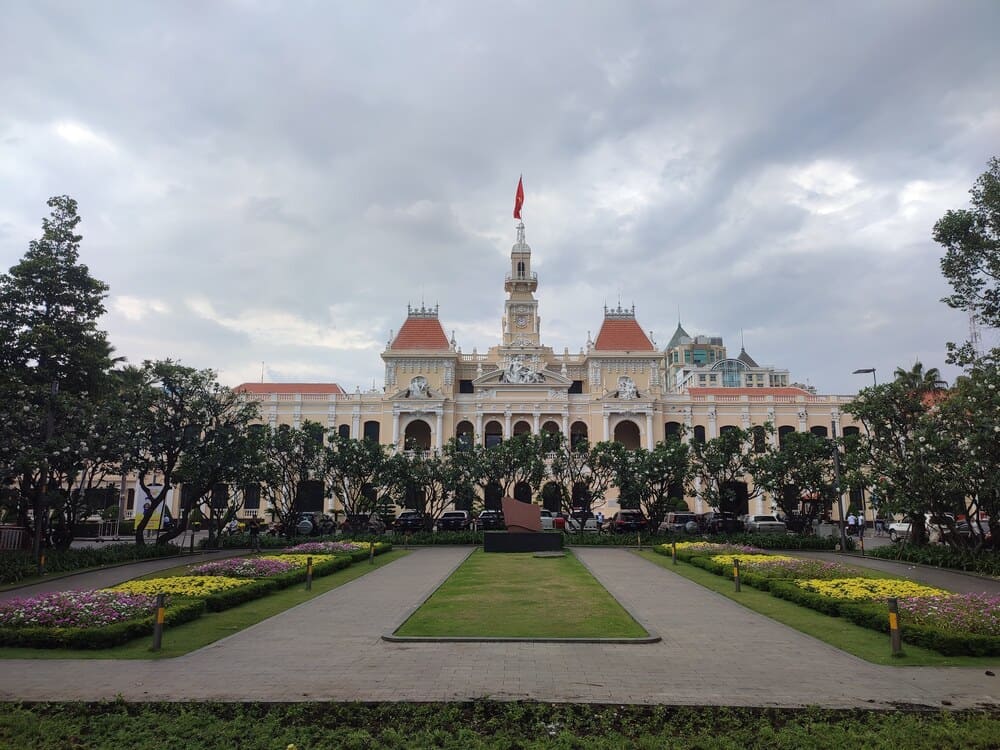
The places of interest in Vietnam are spread farther apart than they are in Thailand. This extra distance results in extra time traveling, which eats away at your holiday allowance, so to speak. It’s not that you cannot do a full tour of Vietnam in 14 days, it’s that it will be incredibly tiring and downright stupid.
Also worth noting is that Vietnam has fewer resorts, a function of its political system, as the tourism industry is dominated by a company called Vinpearl and its various offshoots, and the smaller number of beach destinations or islands.
This being said, I do believe that 10-14 days in either Vietnam or Thailand can be an exciting, awesome, and varied holiday. You need to make sacrifices either way, but you will see and experience lots, too.
If your ideal trip involves easy logistics, resort indulgence, and sunshine on tap, Thailand wins the short holiday round. If you’d rather trade comfort for a dash of discovery and authenticity, Vietnam’s your move.
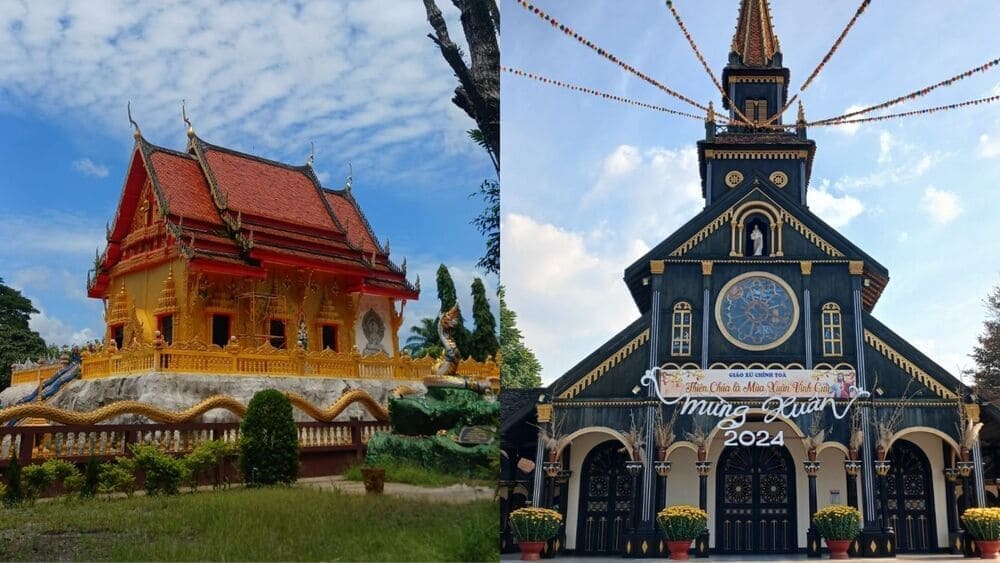
For the Backpacker on a Budget
TL;DR: Thailand is easy mode, where Vietnam is slightly cheaper but also a tad more disorganized, which could be more exciting for some.
If your travel style is measured in night buses, street food, hostels, free things to do, and meeting fellow frugal travelers, both Thailand and Vietnam deliver the kind of chaos that makes backpacking addictive – just in different flavors.
Thailand is The Classic.
Southeast Asia’s backpacker circuit often starts here. Variations of the notorious Banana Pancake Trail can skip other countries, but never Thailand.
Backpacking in Thailand is practically an institution: Khao San Road in Bangkok, the night markets of Chiang Mai, jungle treks and mindfulness retreats in Pai, the full-moon parties on Koh Phangan, the sleezy Pattaya, and the ever-developing Phuket.
It’s easy to meet people, get around, and find a $5 dorm that’s cleaner than you expect. There’s a safety net here – tourist infrastructure is so established that even your mistakes come with a smile and a tuk-tuk ride home.

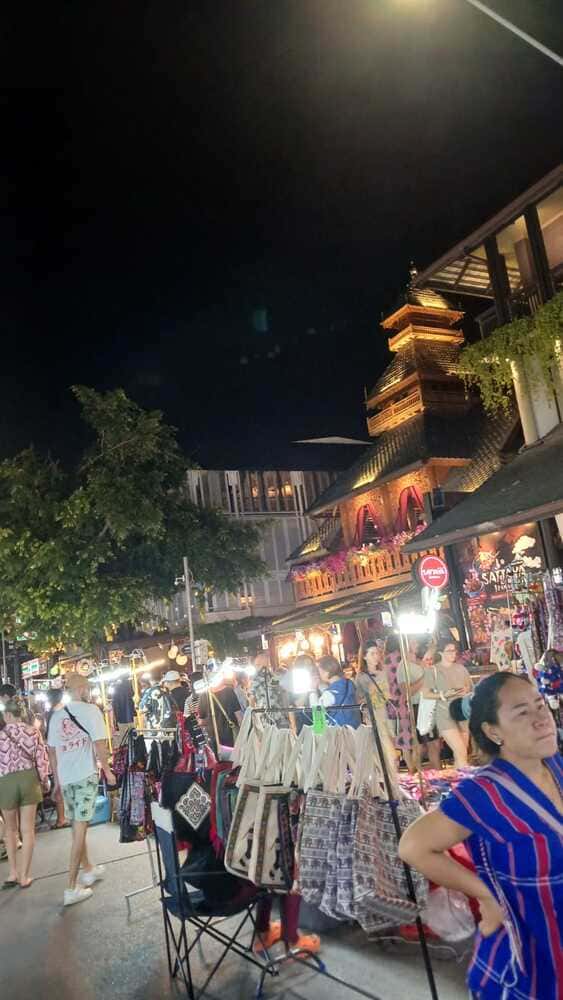
Vietnam feels a bit rougher around the edges, and that’s part of its charm. The country’s long, skinny shape sets the route: start in Hanoi, finish in Ho Chi Minh City, or vice versa.
True, you can do just the South or just the North, but most backpackers I’ve met in Vietnam do both.
There is a persistent feeling of uncertainty in Vietnam. Some may call it chaos, but there is some order – it’s just that you, as a foreigner, do not know it. You are unlikely to be let in on the secret system either. Figuring things out requires mental fortitude, patience, and street-smart brains.
Some backpackers crave just that – the discovery, the immersion. Others, especially first-timers, will likely find it frustrating.
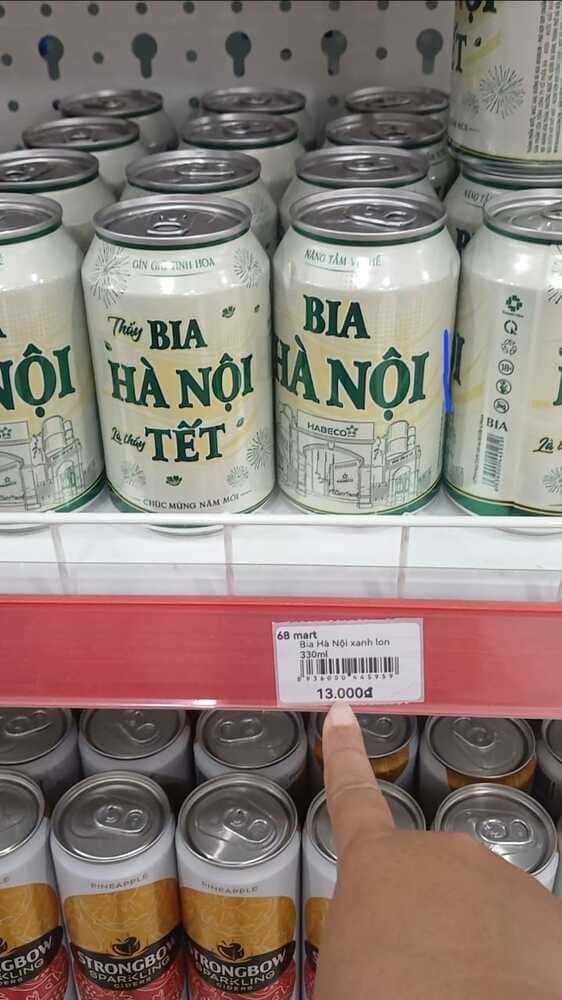
But with just a little bravery, you can experience the sunrise over Ha Long Bay, eat noodles curbside on small plastic chairs, drink some of the best coffee in the world, have landscapes shift daily, sing with locals over some bia hoi (fresh beer), learn about Vietnamese persistence through the centuries, and drive a motorcycle on curvy, picture-perfect roads.
As for the budget side, Vietnam is slightly cheaper than Thailand, but not by much. Alcohol, coffee, and accommodation tend to be cheaper in Vietnam, whereas food, transport, and experiences generally cost less in Thailand.

For the Digital Nomad / Remote Worker
TL;DR: Thailand is still ahead, but Vietnam is catching up in strides.
Some of us are lucky enough to fit our office in our backpacks and be able to work from anywhere. If your livelihood depends on Wi-Fi strength, choosing the right base in Southeast Asia becomes of paramount importance.
Thailand has long been the region’s co-working darling, with Chiang Mai leading the charge. Reliable internet, countless cafés, and a community of freelancers make it an easy place to plug in and stay a while.
Yes, other places like Bangkok, Phuket, or one of the Kohs (islands) are also an option, but Chiang Mai has become somewhat synonymous with digital nomadism at this point. It hosts several conferences, international meetups, networking forums, etc., every year.
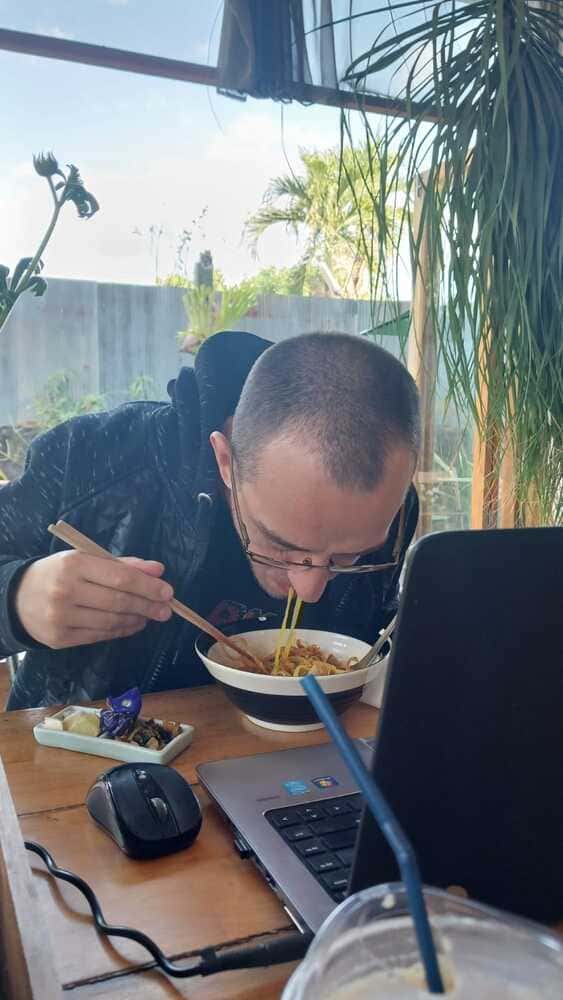
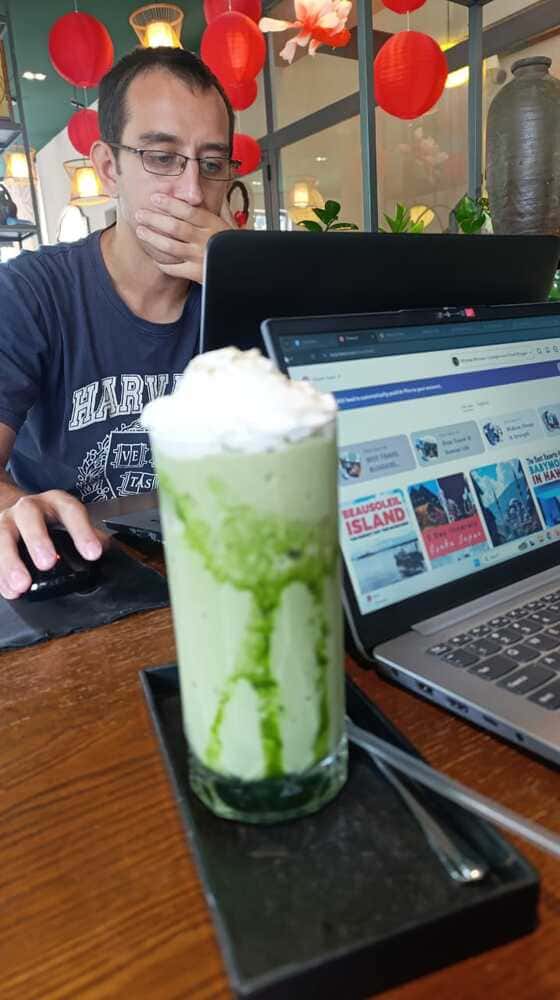
Vietnam, by contrast, feels like the next frontier. Da Nang is quietly becoming the new digital nomad Mecca: long beaches, affordable apartments, and coworking spaces that overlook the sea.
Some pick Hoi An (less than an hour from Da Nang), which brings charm and a creative calm.
Ho Chi Minh City rivals Bangkok in terms of energy and ambition but lags in multiculturalism and coworking opportunities.
Wi-Fi speed in Thailand is one of the best in the world (top 15), with connections easily reaching 500 Mbps. In all fairness, Vietnam is very close behind (top 35 by the same statistic above), and when it comes to mobile internet, it could be even better than Thailand.
The visa situation is similar in both countries, relatively easy for short stays, and allows for visa runs:
- Thailand offers a 60-day visa-free stay to most nationalities, which is easily extendable to 90 days within the country. It generally allows visa runs unless overly abusive of the system.
- Vietnam offers a 45-day visa-free stay to many (not as many as Thailand, though) nationalities, but this isn’t extendable. Those not eligible (or if you want to stay longer without visa runs) can easily get a 90-day multiple-entry visa for just $50. Visa runs are generally allowed.
If you want balance, comfort, and a ready-made digital community, Thailand still leads the pack. If you prefer the feeling that you’re part of something emerging, Vietnam’s your blank canvas.
For the Food Lover
TL;DR: Thai food emphasizes depth of flavor, whereas Vietnamese cuisine focuses on freshness.
Some travelers chase landmarks, others chase meals. If what’s on your plate is important, both Thailand and Vietnam will keep you hungry in the best way.
Thailand is all about flavor confidence – the perfect harmony of spice, sweetness, and umami.
The national dish, Pad Thai, despite being a recent invention, embodies Thai cuisine in general – the balance of tastes.
Curries of the south (massaman, green, red, yellow, etc) are based on creamy satisfaction and hot spices.
North Thai cuisine, famous for sausages and khao soi, is among my favorites in the world. The depth of flavor is unmatched.
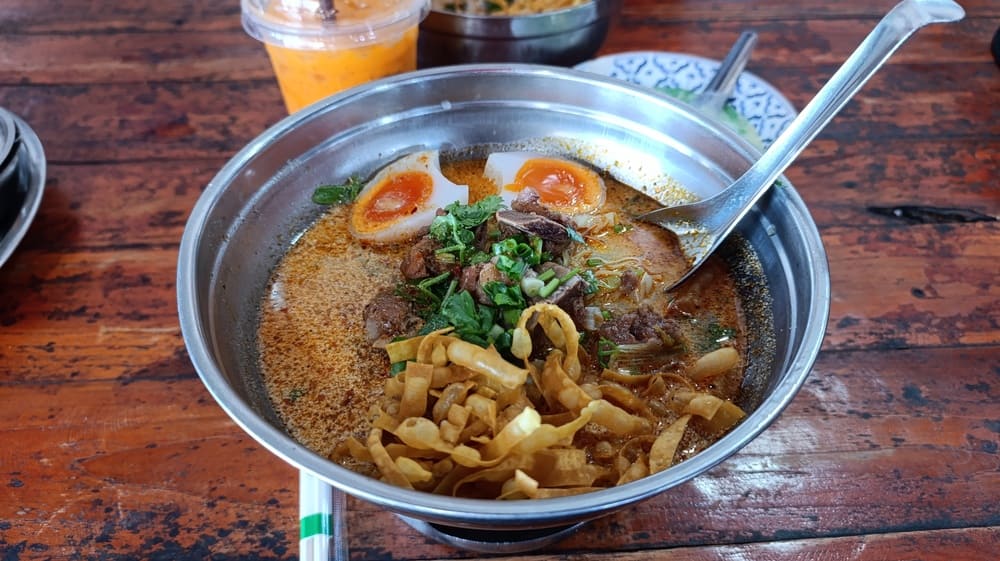
Throughout Thailand, you will also find staples like pad krapao (rice with fried meat, pork, or chicken), various noodle dishes, and fried chicken. A notable mention to everybody’s favorite dessert, mango sticky rice.
Vietnam takes a slower, subtler approach. The flavors are fresher, lighter, and layered.
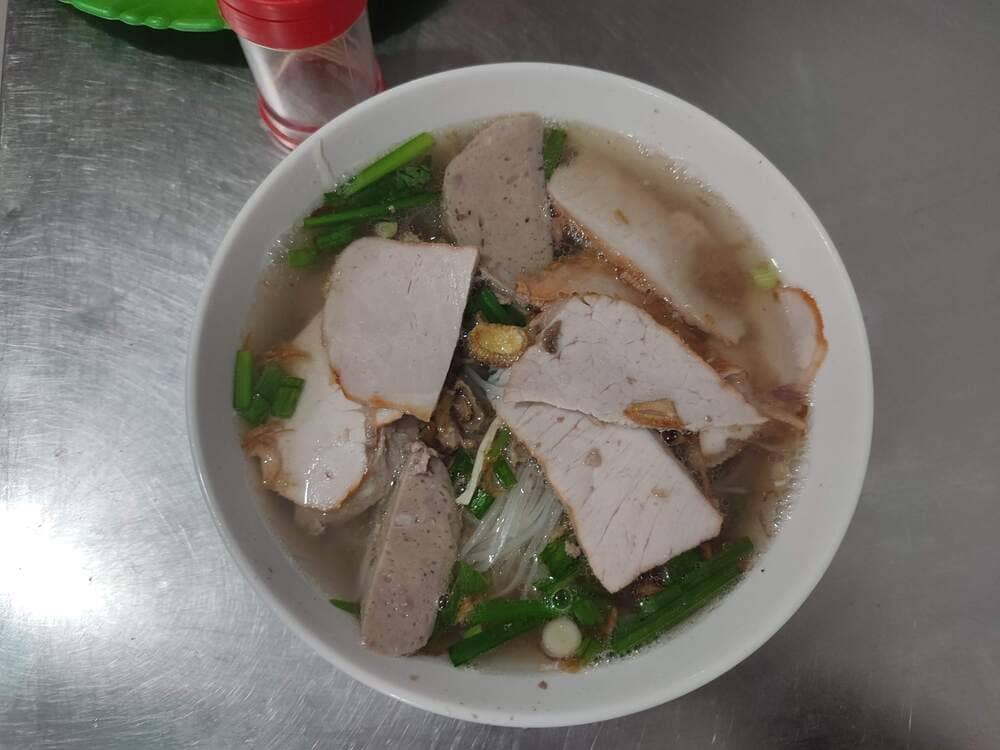
A bowl of pho tastes like breakfast should feel, while a banh mi from a street cart might ruin you for sandwiches forever.
Spring rolls, fried or fresh, show what’s possible with just a few simple ingredients.
My favorite Vietnamese dish is Bún chả – grilled pork with white rice noodles and herbs, which you dip in a sweet chili sauce before eating.
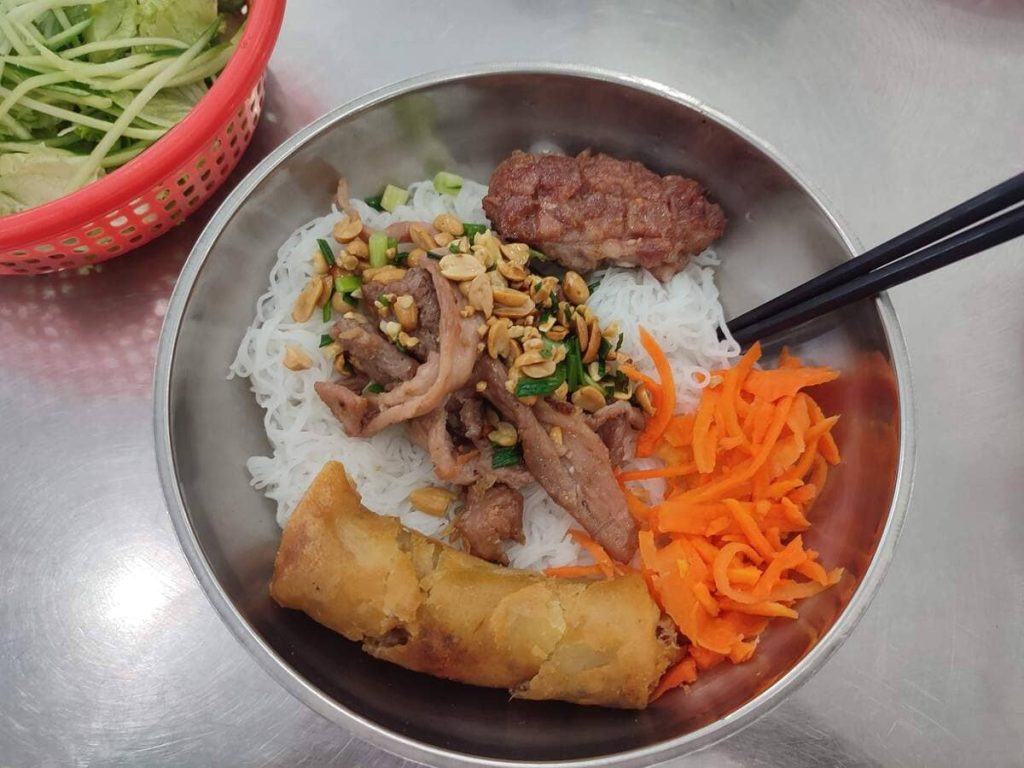
Vietnam is also a master of fish and seafood – (almost) always fresh and much cheaper than elsewhere (for example, a massive meaty lobster under 50$ is not difficult to find).
Vietnamese cuisine tends to be more meat-heavy than Thai cuisine, too.
One major difference I have noticed is that Thai night markets are generally much better than the Vietnamese ones. They are bigger, offer more varied goods, rarely overcharge foreigners, and are likely to be on more often.
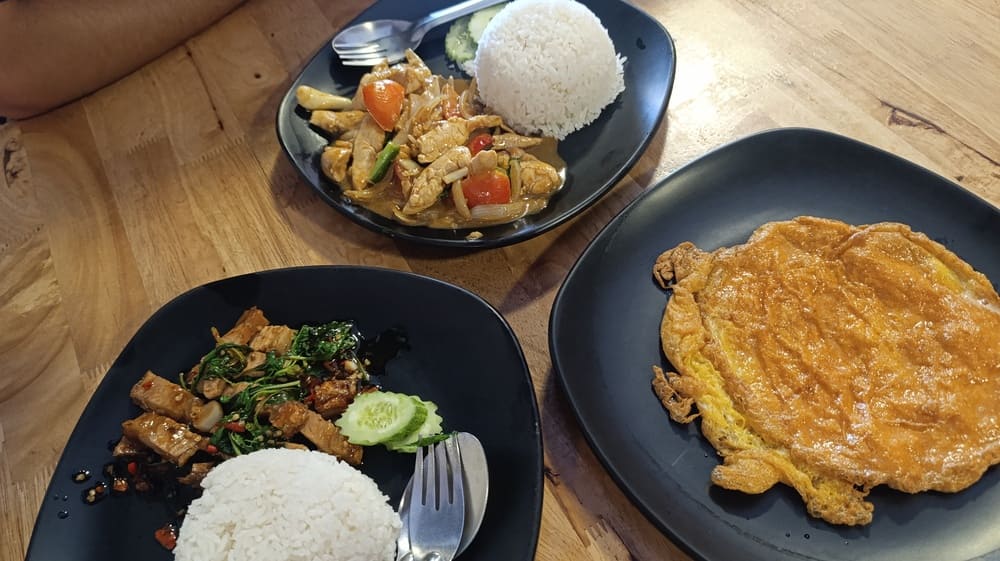
If you like your meals bold and fiery, Thailand is pure satisfaction. But if you live for nuance and herbs, Vietnam quietly wins the food game. Neither is better, but totally different.
For the Adventure and Nature Lover
TL;DR: Vietnam narrowly edges the victory here, but it’s a very subjective matter with lots of cool places to visit in both countries.
If you measure a destination by how much dirt gets on your shoes, both Thailand and Vietnam have plenty of ground to cover, pun intended.
Thailand’s wild side hides just beyond the resorts.
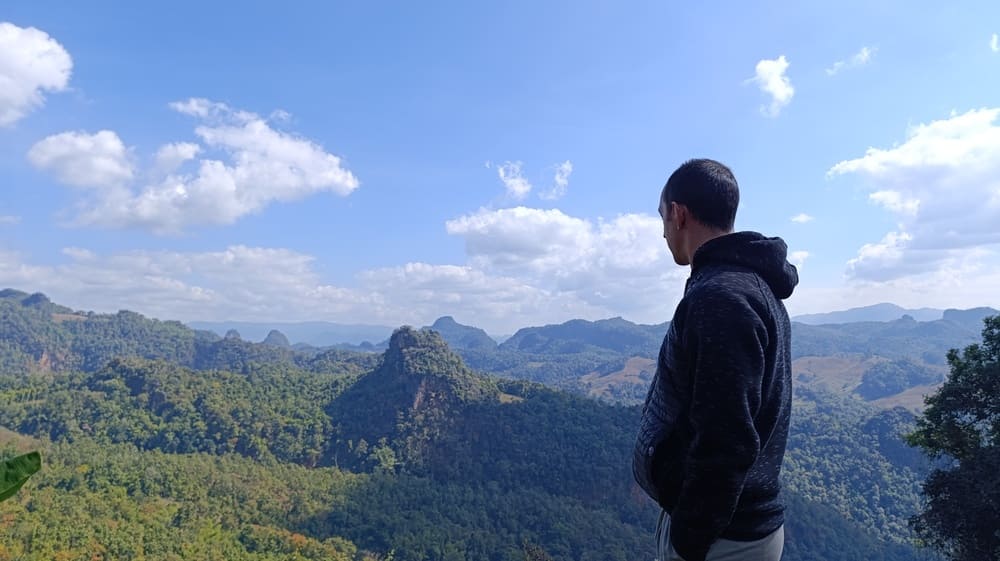
You can dive with whale sharks off Koh Tao, kayak between limestone cliffs in Krabi, or hike to waterfalls in many parts of the Kra Isthmus.
Up in the north, you can trek through the jungles near Chiang Mai and Chiang Rai or drive the famous Mae Hong Son Loop.
Vietnam, on the other hand, is an adventure in motion. The landscapes feel bigger, rawer, and less predictable – misty mountains in the north, rice terraces clinging to the hills around Sapa, and the legendary Ha Giang Loop that turns every motorbike ride into a full-body experience.

Caves, waterfalls, coastal cliffs – it’s the kind of country where a “short day trip” can end up a story you’ll tell for years. I’d say Vietnam has more diverse and greater adventures than Thailand.
If you want to see the wild, go to Thailand. If you want to truly feel it, go to Vietnam.
For the Culture Hunter
TL;DR: Thailand has more of the wow-factor. With Vietnam, you need background history info to appreciate the present.
Thailand and Vietnam offer two completely different cultural tapestries.
Thailand wears its spirituality on its sleeve.
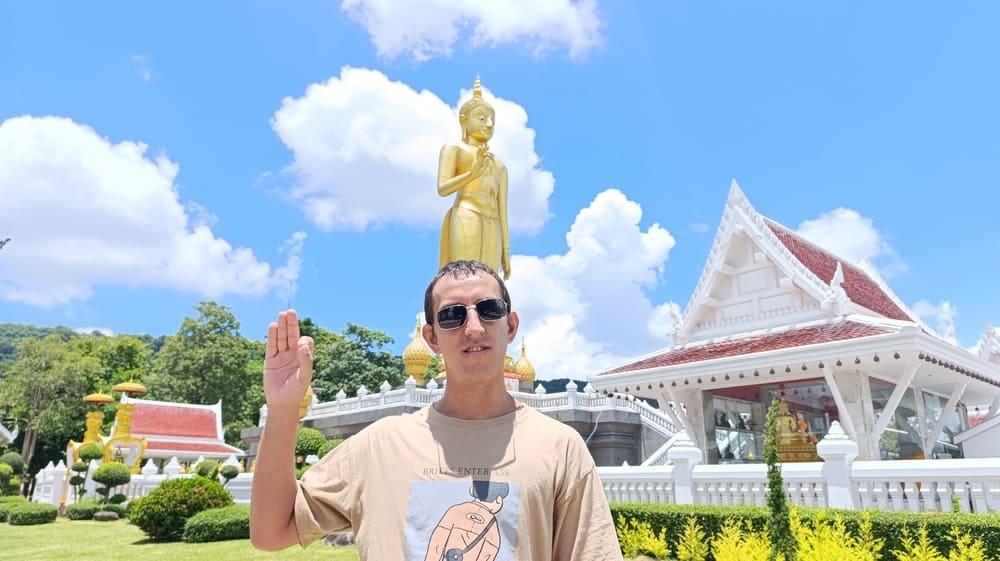
Golden temples glint between skyscrapers, monks glide past in saffron robes at sunrise, and the scent of incense drifts through nearly every neighborhood.
You can feel the balance between modernity and mindfulness – from morning almsgiving in Chiang Mai to quiet coastal shrines in the south. The rituals are visible, accessible, and often participatory. It’s easy to connect without intruding.
Ancient temples like the ones in Sukhothai and Ayutthaya bring Thailand’s storied past to life, literally.
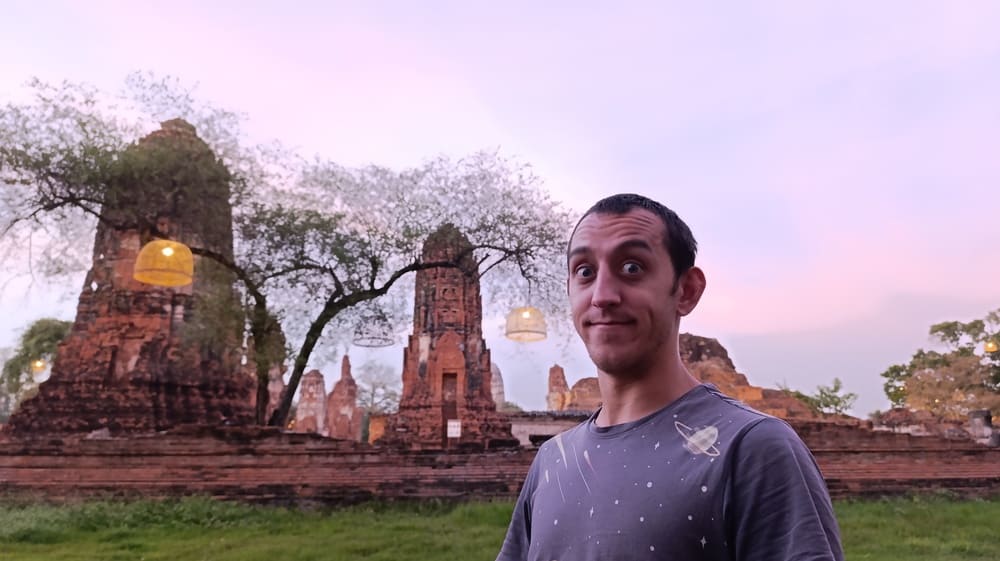
Vietnam’s culture feels subtler but deeper once you tune into it.
The country’s history is complex – dynasties, colonization, war. You may not sense it at first, but it’s all there, in the architecture, in the food, and in the conversations that move between pride and pragmatism.
Ancient towns like Hoi An and Hue whisper of empire, Mỹ Sơn Sanctuary reminds us of the natives that are no more, while Hanoi’s old quarter shows how the past still hums under the surface of a fast-changing city.
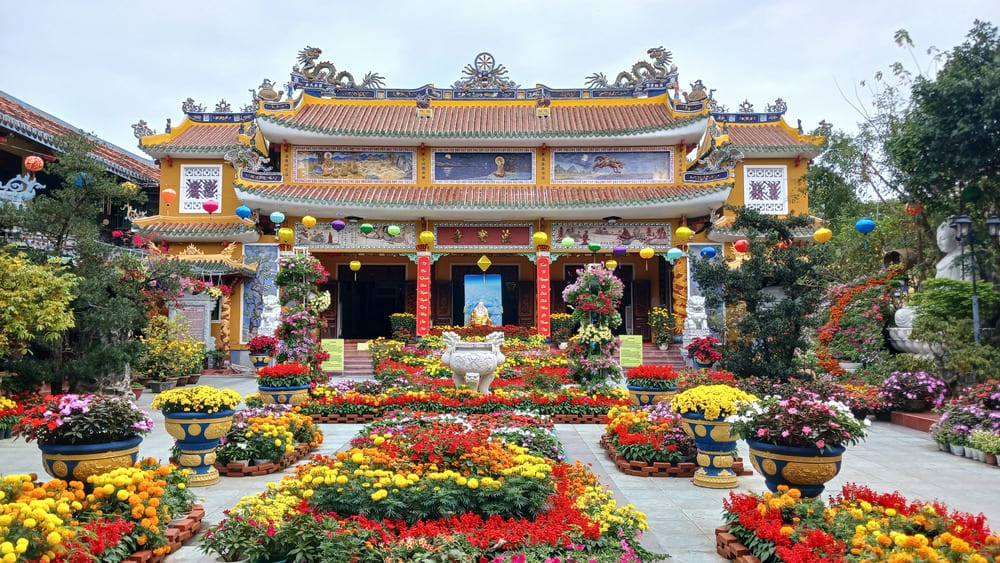
Religion here is woven into daily habits rather than spectacle: small altars glowing with incense in every home and café.
It’s still Buddhism, but a very different variant (Mahayana vs Theravada) – one that emphasizes ancestors and their role in the living’s lives.
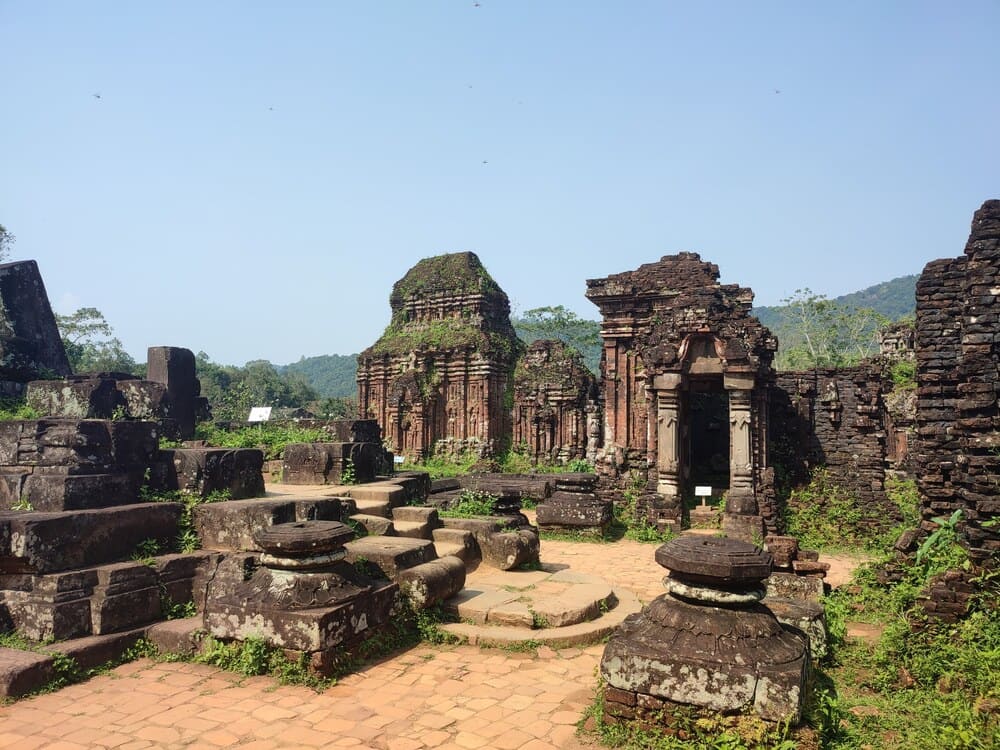
All of it is wrapped into the pragmatic, straightforward, sometimes even bland, communism/socialism shell – from modern architecture, to city planning, and everyday interactions, even.
Thailand also has more festivals than Vietnam – Loy Krathong, Yi Peng, Phi Ta Khon, Boon Bang Fai, etc. The major one is Songkran, which is an exciting time to be in Thailand, even as a solo traveler. On the other hand, traveling in Vietnam during Tết (their major holiday/new year) can be a real pain, logistics-wise, and you may find it much harder to have a good time without a local family to take you in.

In summary, if you want culture that feels curated and visible, Thailand lets you see and feel it everywhere you go. If you’d rather uncover it piece by piece, Vietnam rewards curiosity with stories that stay with you long after the trip ends.
Verdict: Which One’s for You?
There’s no real winner between Thailand and Vietnam, only the version of travel you’re chasing.
What did you expect? That I bash one and praise the other? Well, I did bash Vietnam in that article, but I have remained objective in this one. And there’s plenty to bash Thailand for…
The thing is – travel is what you make it.
Yes, Thailand is polished, predictable in the best way, and endlessly convenient. It’s where you go when you want things to work: fast transfers, easy day trips, picture-perfect islands, and a cuisine that never disappoints. It suits first-timers, short-term holidaymakers, and anyone who values comfort with a bit of color.
Vietnam asks more of you – more patience, more curiosity, and more flexibility. But it gives more back. It’s slightly cheaper, more intense, and still feels like discovery. For backpackers, culture-seekers, and anyone who likes a journey that unfolds with surprises, Vietnam will hook you.
The bottom line is – with the right state of mind, you will enjoy either.